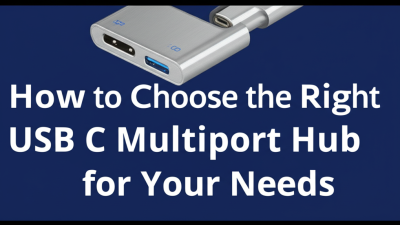
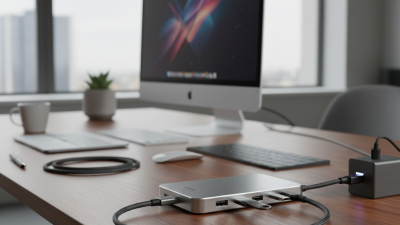
Why Choose a Usb C Hub for Charging Your Devices?
In today's digital age, the need for efficient charging solutions is paramount. A recent industry report highlights that 65% of consumers prioritize faster charging capabilities. This trend underscores the significance of choosing the right technology. Among these options, a USB C hub for charging stands out.
The versatility of a USB C hub allows users to charge multiple devices simultaneously. According to a study by TechInsights, USB C technology is projected to dominate electronic device connections, reaching an adoption rate of over 80% within the next few years. This statistic emphasizes the need for consumers to adapt and invest in USB C hubs, which facilitate faster and more reliable charging.
However, not all USB C hubs are created equal. Some customers report inconsistencies in charging speeds or connectivity issues. Users may find themselves frustrated with inferior products, stressing the importance of thorough research before making a purchase. By understanding the benefits and limitations of USB C hubs for charging, consumers can make informed decisions that align with their technological needs.
Benefits of Using a USB-C Hub for Device Charging
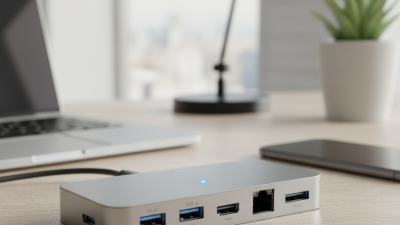
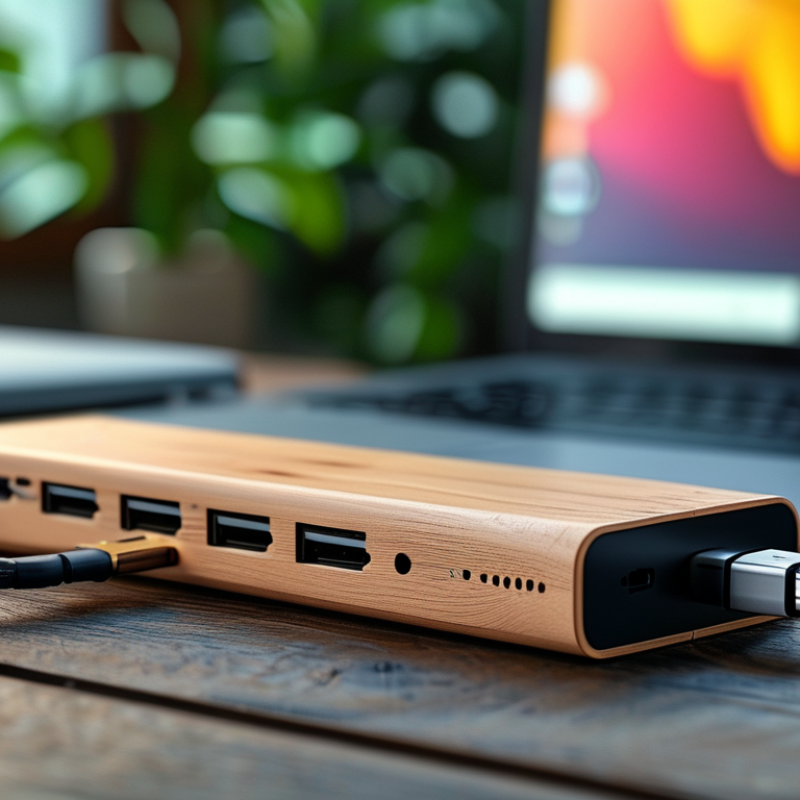
In today's tech-driven world, a USB-C hub offers practical benefits for charging multiple devices. Many modern gadgets now use USB-C ports. This unification simplifies charging needs. A hub can deliver power to laptops, tablets, and smartphones simultaneously. It saves you from juggling multiple chargers and cables.
Using a USB-C hub also enhances efficiency. Many hubs come with multiple ports, allowing for greater connectivity. This is especially useful if you have a laptop with limited ports. Devices can be charged quickly, especially when utilizing Power Delivery technology. The speed of charging varies, but noticeable improvements are common.
However, this convenience isn't without challenges. Not all hubs provide the same power output, which can be misleading. Some may charge slower than others, and it’s essential to check specifications. Quality matters; a cheap hub might not last long. This situation could lead to frustration when devices are not charging as expected. Understanding these factors helps users make informed choices.
Comparison of USB-C Hubs vs. Traditional Charging Methods
USB-C hubs offer several advantages over traditional charging methods. Traditional chargers often come with limited ports and compatibility issues. These limitations can be frustrating. In contrast, USB-C hubs provide versatile connectivity. You can charge multiple devices simultaneously. This feature is especially useful for users with various gadgets.
Traditional charging methods can also be slower. Many standard chargers don’t support fast charging. They may require additional time, causing inconvenience. USB-C hubs often support higher power delivery, enabling quicker charging. This speed can be a game changer for those on the go. However, not all hubs are created equal. Some may lack essential features like data transfer or certain power capacities.
Moreover, integrating a USB-C hub can streamline your workspace. Fewer cables and adapters can lead to a more organized setup. It reduces clutter, enhancing productivity. Yet, potential users should be cautious. Not every hub offers reliable quality. Researching reviews and specifications is crucial. Relying solely on brand names might lead to disappointment. It’s important to find a hub that balances functionality and reliability. Making informed choices can significantly improve your charging experience.
Key Features to Look for in a USB-C Hub
Choosing a USB-C hub for charging your devices can significantly enhance your user experience. Understanding key features helps you make an informed decision. Look for multiple charging ports. Having several options lets you charge more than one device simultaneously. This is especially handy for those with multiple gadgets, like phones, tablets, and laptops.
Pay attention to power delivery capabilities. A hub with higher power output can charge devices faster. Make sure it supports your device's charging requirements. Otherwise, you might face slow charging times or even damage your devices. Compatibility is crucial here. Not all hubs work with every device.
**Tips:** Always check user reviews. They can reveal real-world performance. Ensure the hub is built with reliable materials. A well-constructed hub can withstand daily use. Finally, consider the hub’s size. A compact design might be more convenient, but it shouldn’t compromise on functionality. Balancing these aspects is essential for a practical choice.
Why Choose a USB-C Hub for Charging Your Devices?
How a USB-C Hub Enhances Portability and Convenience
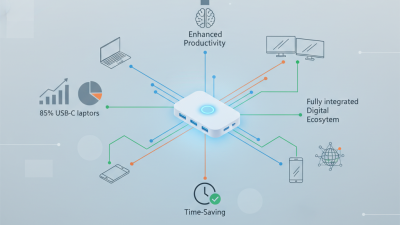
A USB-C hub significantly enhances portability and convenience for users. According to a recent industry report, 78% of professionals prefer devices that integrate multiple functionalities. This preference is driven by the need for efficiency, especially for remote workers. A USB-C hub allows users to connect multiple devices without the hassle of carrying several chargers or adapters. It condenses multiple ports into one compact accessory.
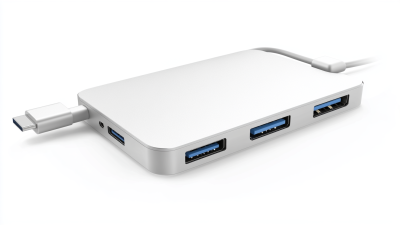
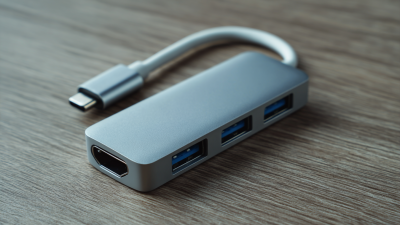
Traveling with a USB-C hub can ease the burden of carrying various cables and adapters. Many hubs offer essential connections such as HDMI, USB-A, and SD card slots. Maintaining a minimalist approach can often lead to better organization. However, some users find it challenging to choose the right hub due to varying quality and compatibility issues across devices. A cautious approach is necessary; not all hubs deliver the promised performance.
Notably, the versatility of USB-C hubs extends to charging capabilities. Statistics show that 94% of users appreciate the ability to charge their laptop while connecting other devices simultaneously. This efficiency is crucial for those on the go. Still, it's vital to research hub specifications, ensuring compatibility to avoid any unexpected charging issues. Investing time in this can save frustration in critical moments.
Tips for Selecting the Right USB-C Hub for Your Needs
Choosing the right USB-C hub can enhance your charging experience significantly. First, consider the number of devices you'll connect. Some hubs offer multiple ports, which is ideal for users with several gadgets. Simplicity matters; a hub with too many features can be overwhelming.
Next, prioritize compatibility. Not all hubs work seamlessly with every device. Check the specifications for your gear. Investigate charging speeds too. Some hubs may charge devices slower than others. You want reliability when powering up your essentials.
Don't forget to assess build quality. A flimsy hub can lead to connectivity issues. Look for hubs with sturdy casings to ensure durability. Lastly, user reviews can offer insight. Reading experiences from others can help clarify if the hub serves its purpose effectively.
Why Choose a Usb C Hub for Charging Your Devices? - Tips for Selecting the Right USB-C Hub for Your Needs
| Feature |
Description |
Importance |
| Power Delivery (PD) |
Allows faster charging for compatible devices. |
High |
| Data Transfer Speed |
Speed at which data can be transferred, measured in Gbps. |
Medium |
| Number of Ports |
The total number of USB-C and additional ports available. |
High |
| Compatibility |
Support for various operating systems and devices. |
High |
| Build Quality |
Material and durability of the hub. |
Medium |
| Size and Portability |
Dimensions and ease of carrying. |
Medium |
| Price |
Range of prices available for different models. |
High |

 USB C Docking & Hub
 USB C Docking Station
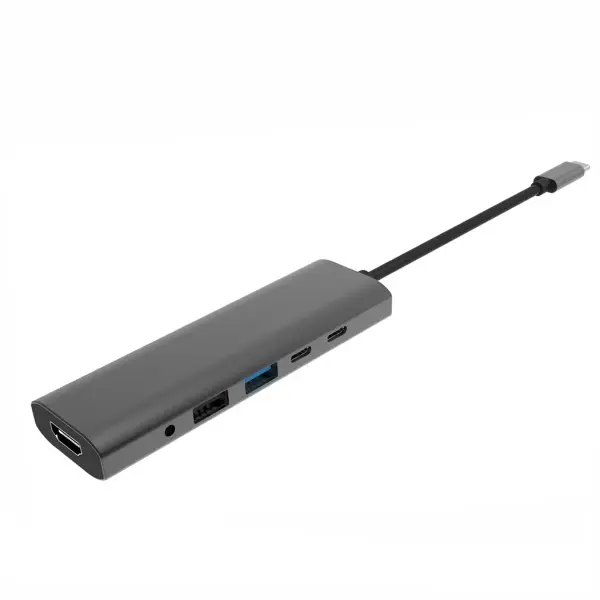 USB C Hub-H Series
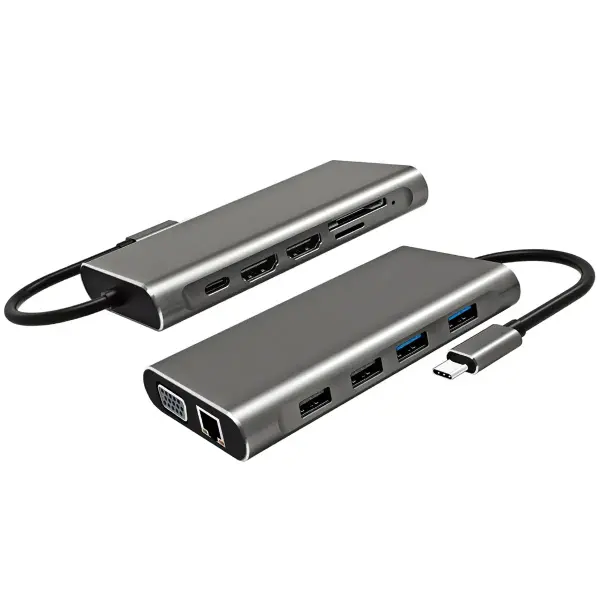 USB C Hub-H Series High End
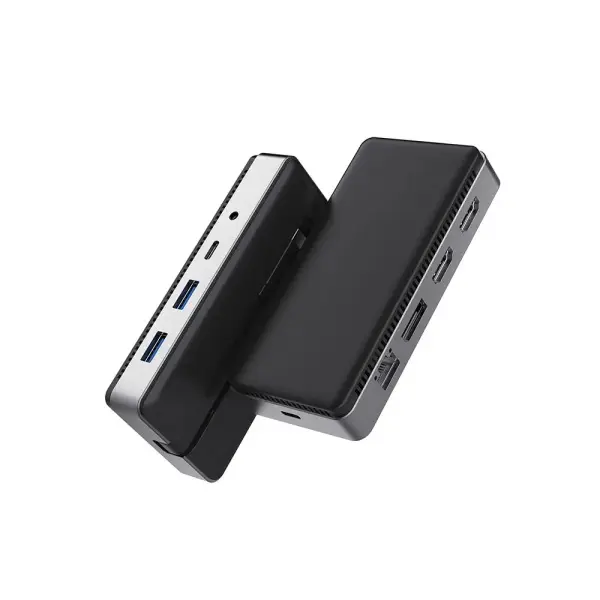 USB C Hub-X Series High End
 HDMI Cable
 4K HDMI Cable
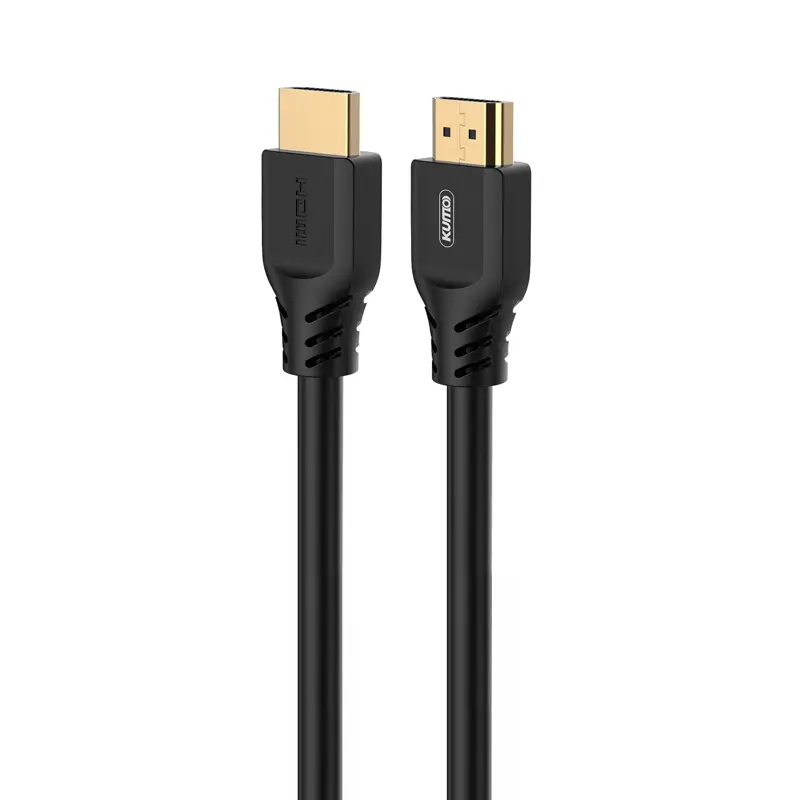 8K HDMI Cable
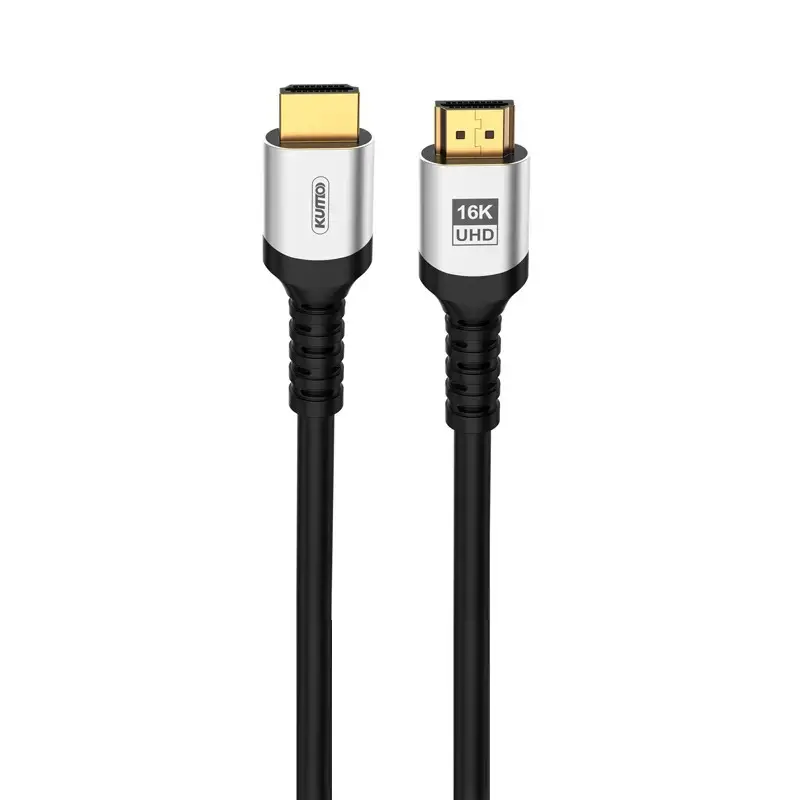 16K HDMI Cable
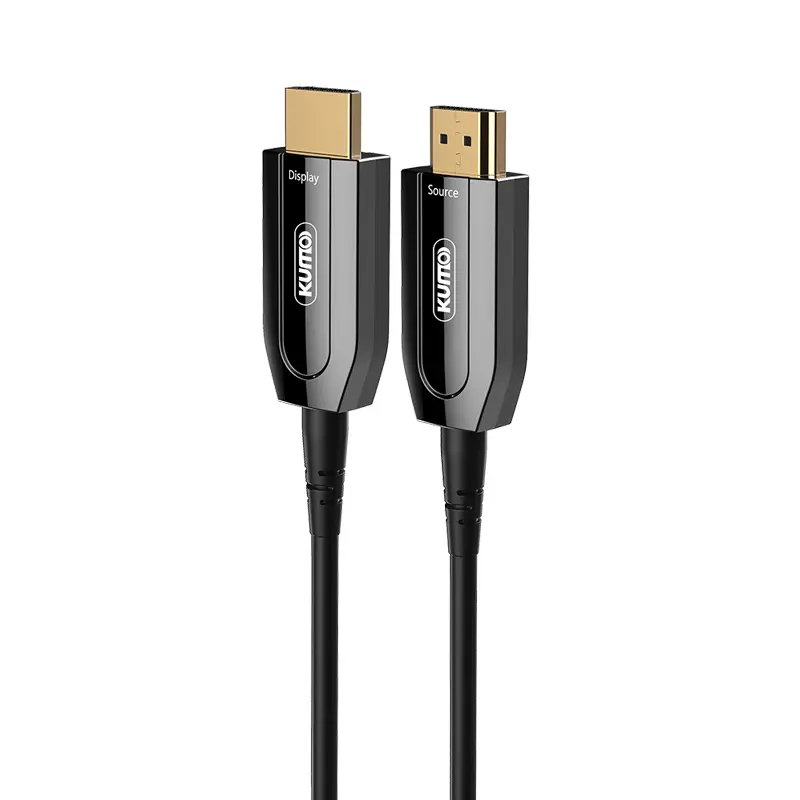 AOC HDMI Cable
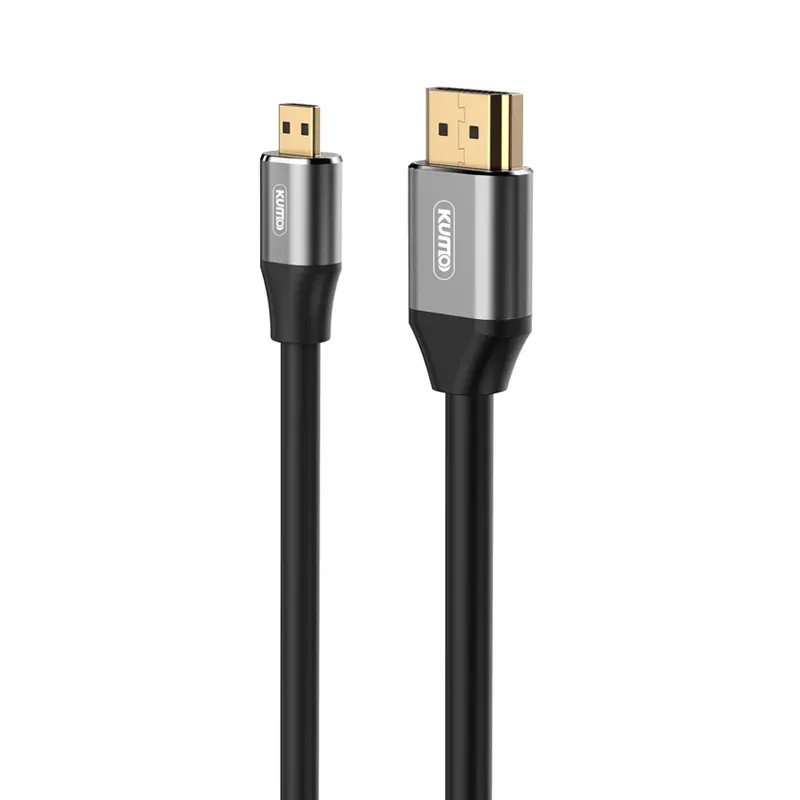 HDMI Conversion Cable
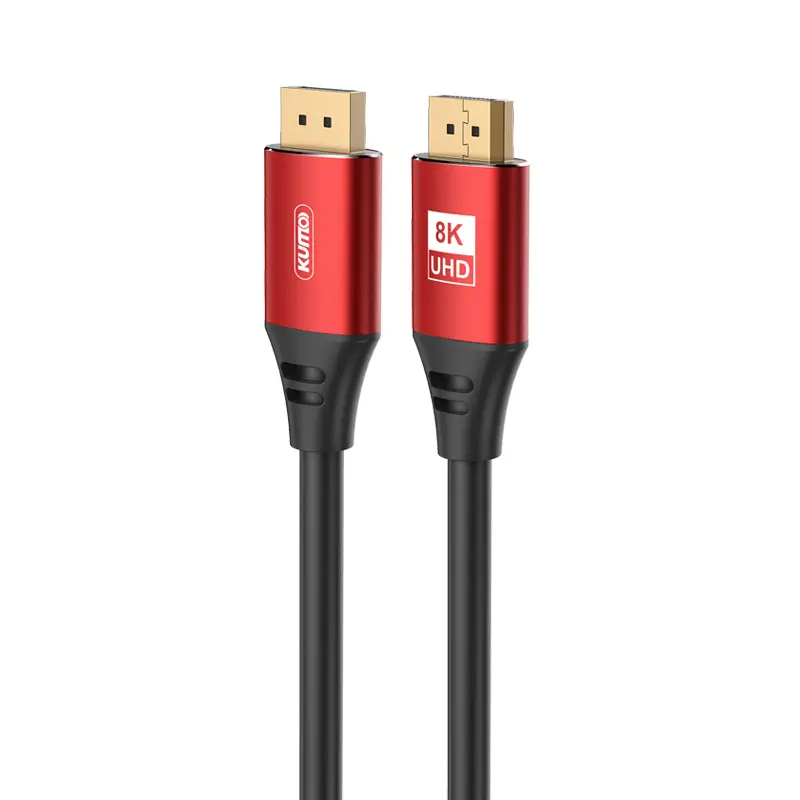 8K DisplayPort Cable
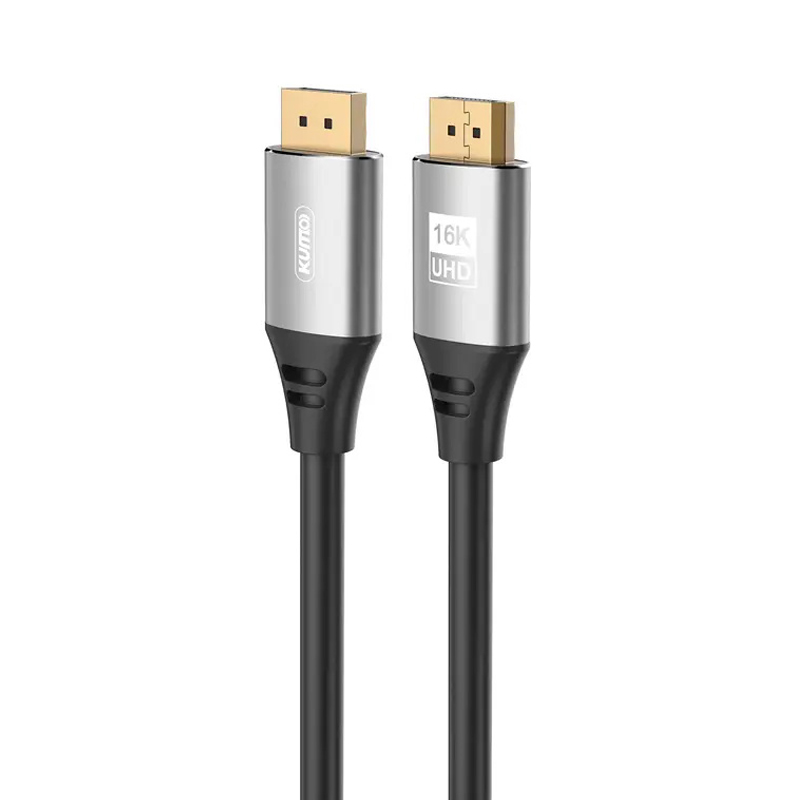 16K DisplayPort Cable
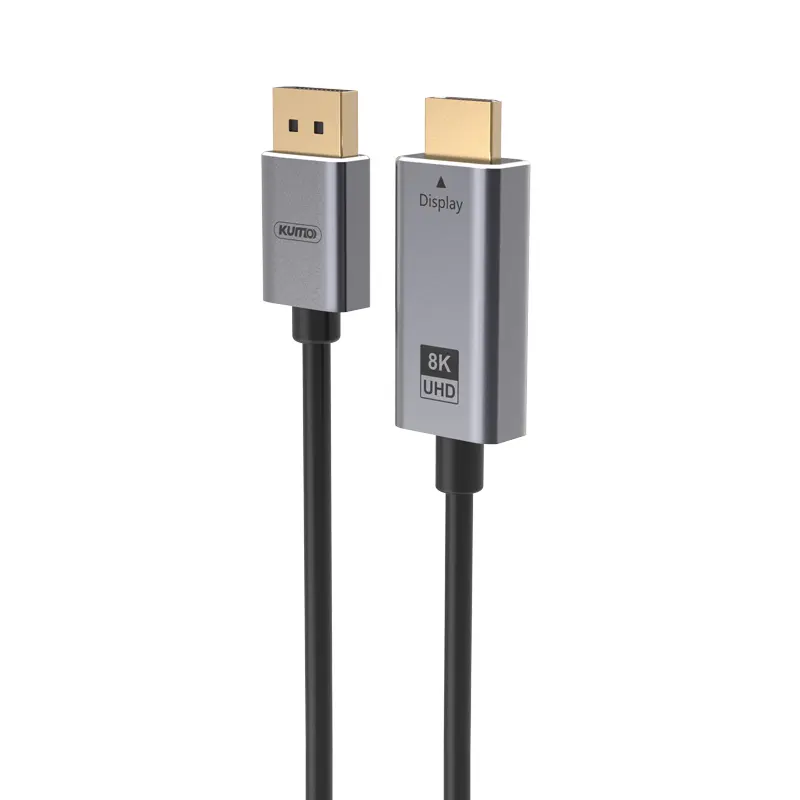 DisplayPort Conversion Cable
 XLR Cable
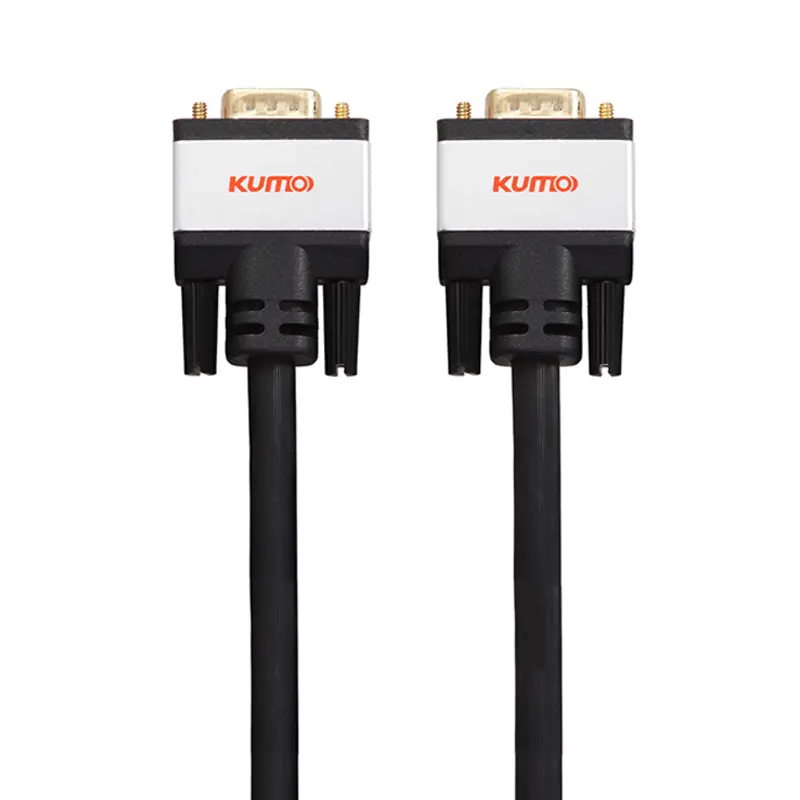 VGA Cable
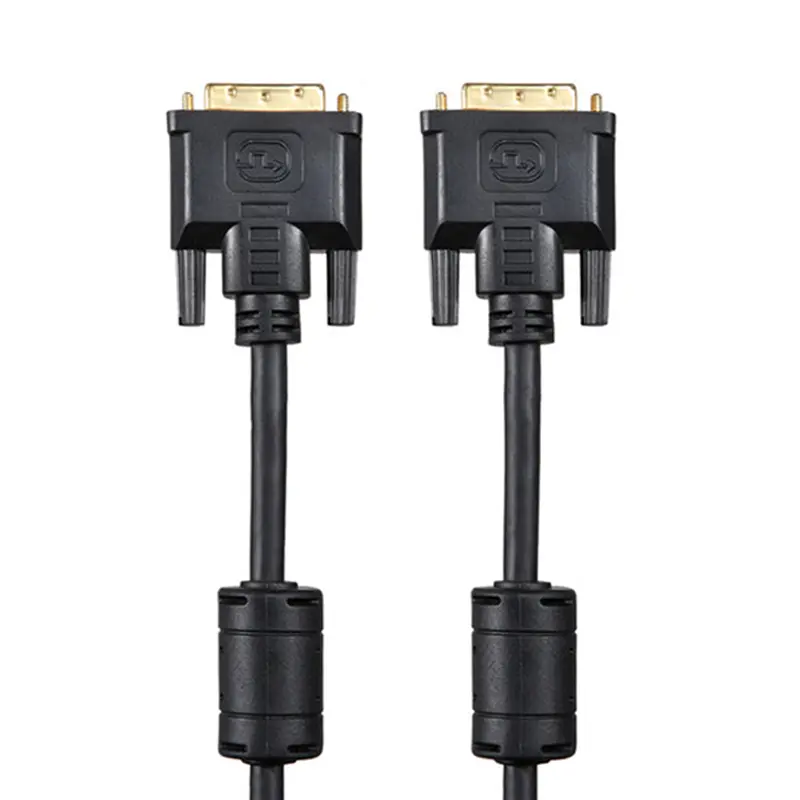 DVI Cable
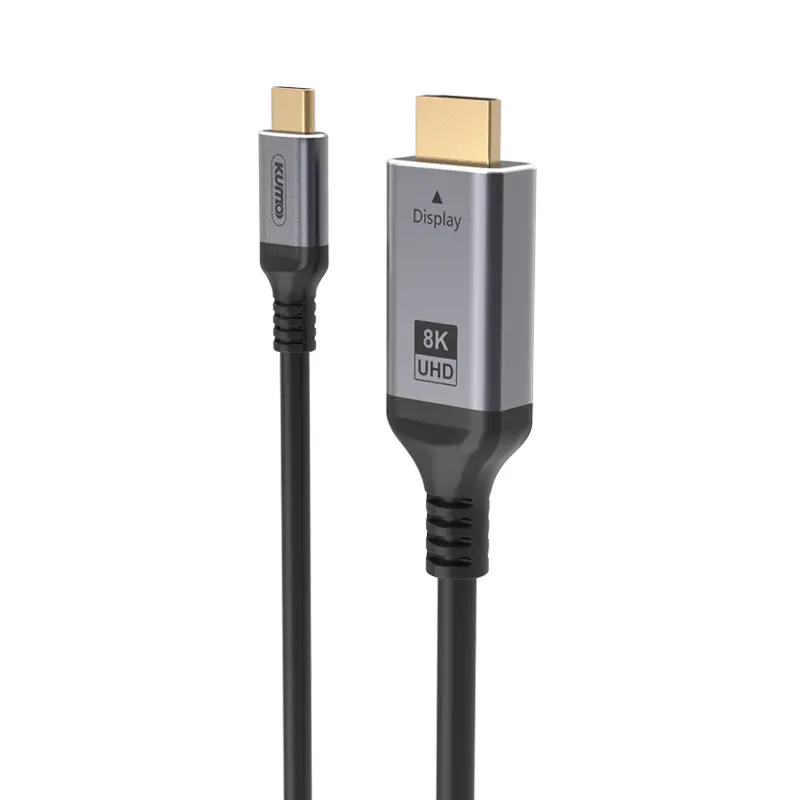 Type C To HDMI
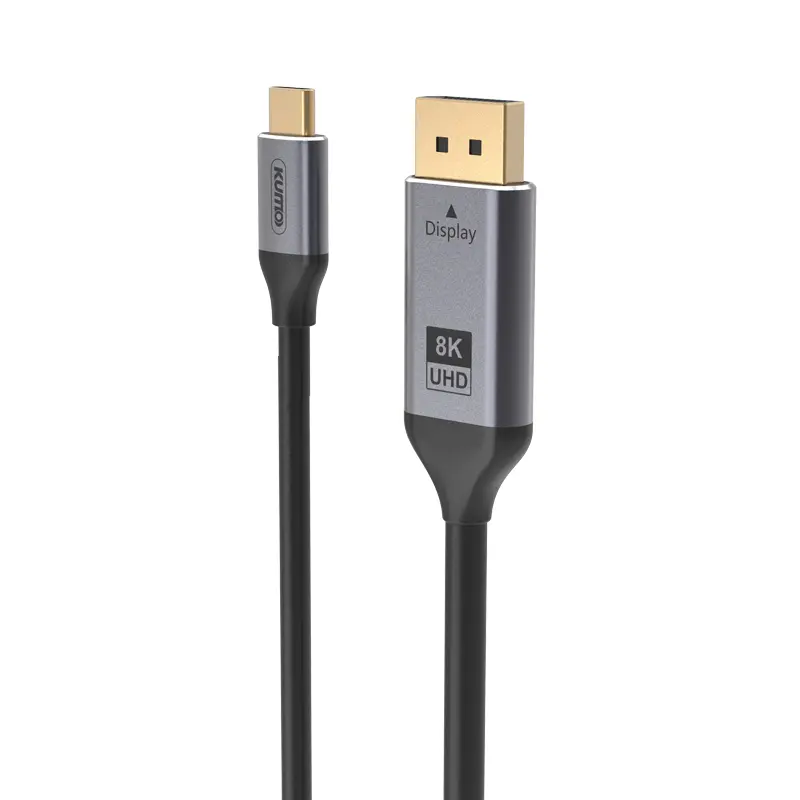 Type C to DP
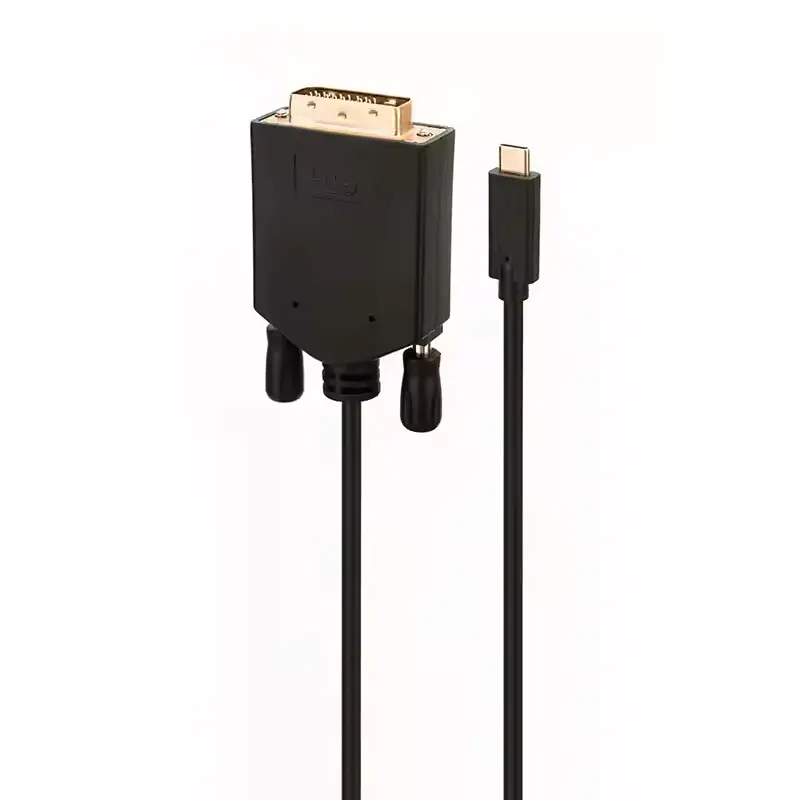 Type C to DVI
 Type C Adapter
 USB A to C Cable
 USB C to C Cable
 Micro USB Cable
 USB4 Cable