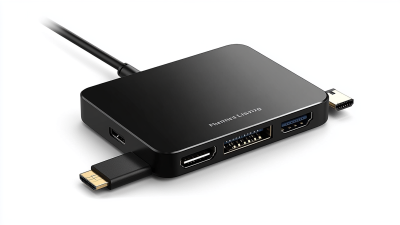
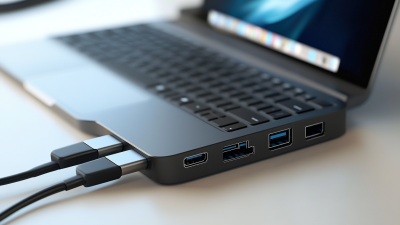
How to Choose the Best Type C Hub for Your Devices in 2023
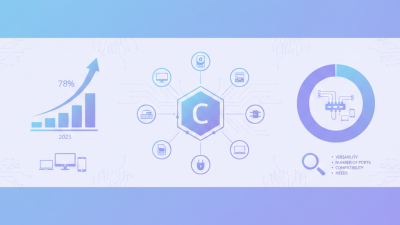
In today's rapidly advancing technological landscape, selecting the right Type C Hub is critical for optimizing device performance and connectivity. A recent report from the International Data Corporation (IDC) highlights that the global market for USB Type C connectors is expected to reach $12 billion by 2025, reflecting a growing reliance on versatile and efficient hubs in both personal and professional settings. Choosing the best Type C Hub not only enhances productivity but also ensures compatibility with a range of devices, vital for seamless operations in an increasingly interconnected world.
Expert insights are invaluable when navigating this complex category. Dr. Emily Sanders, a leading technology analyst at Tech Insights, emphasizes, "As the demand for higher data transfer rates and multi-device connectivity increases, selecting the right Type C Hub can significantly impact user experience." Understanding the specific features and capabilities of Type C Hubs—such as power delivery, data transfer speeds, and port availability—is essential for making an informed decision. As we explore the various types of hubs available in 2023, these considerations will guide users towards a solution best suited to their unique needs.

Understanding Type C Hubs and Their Importance for Modern Devices
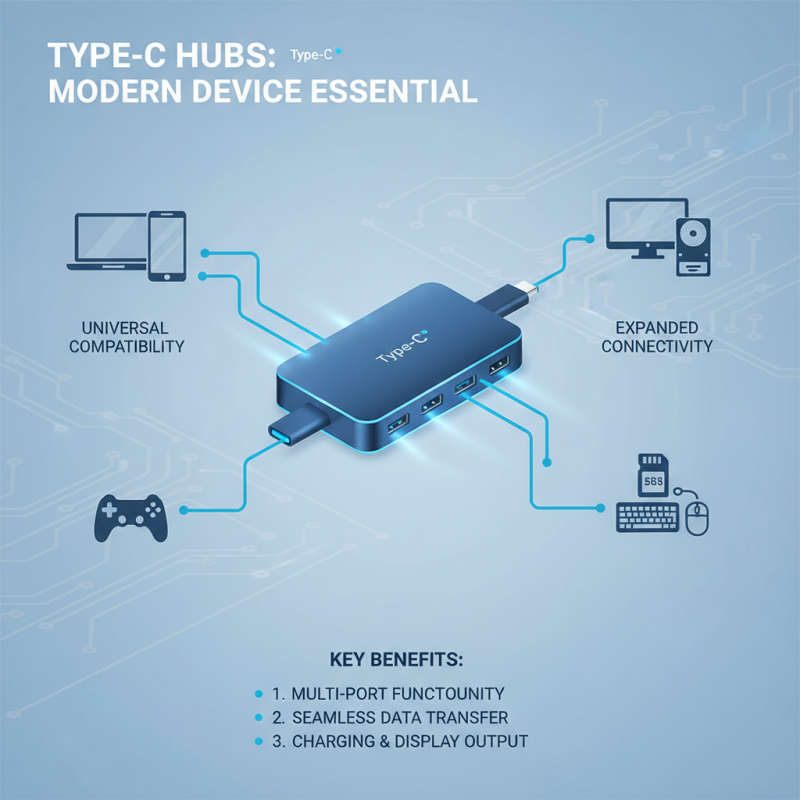
Type C hubs have become increasingly vital in our technology-driven world, serving as indispensable accessories for modern devices. These hubs allow users to connect multiple peripherals without compromising the sleek design and portability of their laptops, tablets, or smartphones. With the variety of devices now equipped with USB Type C ports, including smartphones, laptops, and even some gaming consoles, the Type C hub acts as a versatile bridge, enabling seamless connectivity to displays, external storage, and various other accessories.
In today’s fast-paced environment, having a reliable Type C hub is essential for both personal and professional use. They enable the expansion of connectivity options, ensuring that users can connect to external monitors for presentations, transfer data at high speeds, and charge devices efficiently. As more devices prioritize slim profiles and fewer ports, the importance of Type C hubs becomes even clearer; they facilitate a more organized and efficient workspace. Moreover, as technology continues to evolve, investing in a high-quality Type C hub ensures compatibility with the latest devices and standards, allowing users to fully harness the capabilities of their technology.
Key Features to Consider When Selecting a Type C Hub
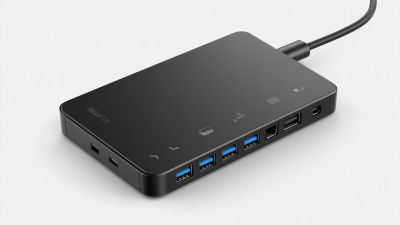
When selecting a Type C Hub for your devices in 2023, it's essential to prioritize certain key features to ensure compatibility and functionality. First, consider the number and type of ports the hub offers. Depending on your usage, a hub with multiple USB ports, HDMI output, and SD card reader can significantly enhance your productivity. Make sure that the hub can accommodate the peripherals you frequently use, whether it's for data transfer, charging, or video output.
Another crucial feature to look for is power delivery capability. A good Type C Hub should support pass-through charging, allowing you to charge your laptop while using the hub without sacrificing power. Additionally, check the data transfer speed of the hub. Look for specifications that indicate USB 3.0 or Thunderbolt support for faster data transfers, which can be particularly important for large files and efficient workflow.
Tip: Always read user reviews and conduct thorough research before making a purchase. This can provide insight into the hub's reliability and performance in real-world scenarios. Also, consider the build quality and portability of the hub if you plan to take it along while traveling. Investing in a durable yet lightweight hub can help ensure it withstands the wear and tear of on-the-go usage.
Compatibility: Ensuring the Hub Works with Your Devices
When selecting a Type C hub, ensuring compatibility with your devices is paramount. The first step in this process is to identify the specific types of devices you intend to connect. This includes laptops, smartphones, tablets, or peripherals like printers and external storage. Each device may support different protocols or data transfer speeds, and some hubs offer additional functionalities such as charging capabilities or video output. Make a list of your essential devices and check their specifications to determine which hub features are required.
Next, consider the hub's compatibility with various operating systems. Many Type C hubs work seamlessly with macOS, Windows, and Chrome OS, but it’s crucial to confirm whether the hub offers full functionality across the platforms you intend to use. Some hubs are optimized for a particular operating system and might not support all features on others. Additionally, check for any potential limitations related to software requirements or updates. A hub that works effectively with your devices ensures not only convenience but also enhances your overall productivity, allowing you to get the most out of your technology.
Compatibility of Type C Hubs with Devices in 2023
Performance Factors: Speed, Power Delivery, and Connectivity Options
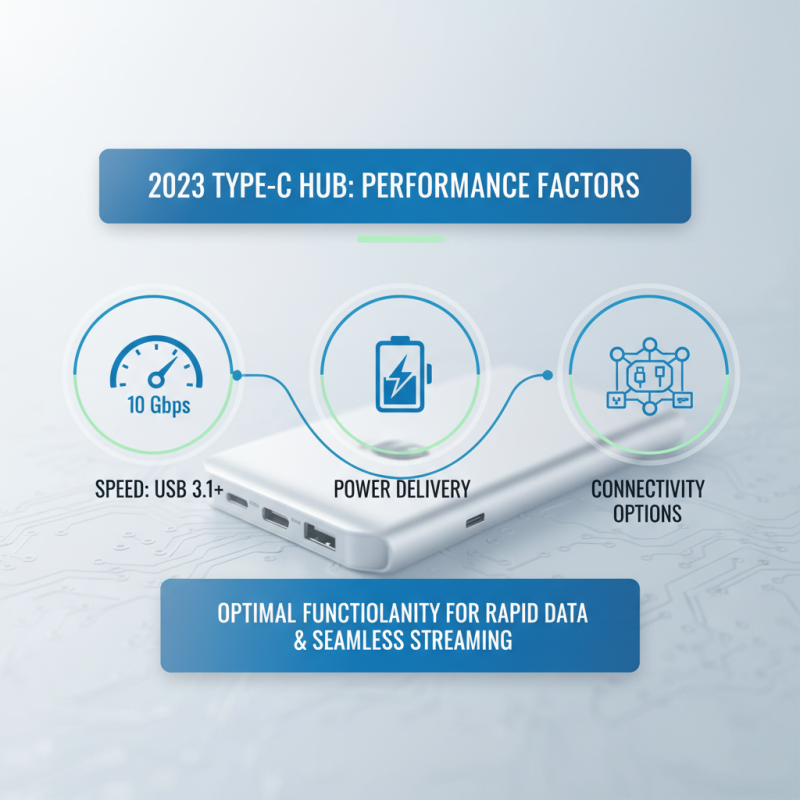
When selecting a Type C hub for your devices in 2023, performance factors such as speed, power delivery, and connectivity options play a crucial role in ensuring optimal functionality. Speed is paramount; a hub should support high data transfer rates to accommodate the growing demand for rapid file exchanges. Look for hubs that offer USB 3.1 or higher specifications, which can provide transfer speeds of up to 10 Gbps. This is particularly important for users who frequently transfer large files or require seamless streaming capabilities.
Power delivery is another significant aspect to consider. A good Type C hub should not only connect your devices but also supply power efficiently. Hubs equipped with power delivery technology allow you to charge laptops and other devices simultaneously while using the hub. This eliminates the need for multiple chargers and ensures that your devices remain powered throughout use, enhancing productivity and convenience.
Finally, the variety of connectivity options provided by a Type C hub can greatly enhance its versatility. Ensure that the hub includes multiple ports such as HDMI, USB-A, and Ethernet to facilitate a wide range of connections with peripherals and displays. A comprehensive selection allows users to easily connect external monitors, USB devices, and network cables, making it an essential accessory for both home and office setups. By focusing on these performance factors, you can choose a Type C hub that meets your specific needs and enhances your device experience.
Budget Considerations: Finding Quality Hubs Within Your Price Range
When selecting a Type C hub, budget considerations play a crucial role in ensuring you find the right balance between quality and price. It's essential to understand that while cheaper options may be tempting, they often compromise on performance, build quality, and durability. Allocate a budget that reflects the features you need, such as the number of ports, data transfer speeds, and charging capability. Researching various models within your price range can help you identify hubs that provide the best value without sacrificing essential functions.
Tips for finding quality hubs within your budget include checking user reviews and expert recommendations. Reviews can reveal the experiences of real users, helping you identify any potential issues or advantages of specific models. Additionally, consider the warranty or return policy offered by retailers, as this can safeguard your investment in case the product does not meet your expectations.
Another important tip is to prioritize your needs. Determine which features are non-negotiable for you, such as HDMI output for displays or USB-A ports for peripherals. By focusing on essential functionalities, you can streamline your search and avoid overspending on unnecessary extras. By being clear about your priorities and doing thorough research, you can find a high-quality Type C hub that fits your budget without compromising on performance.

 USB C Docking & Hub
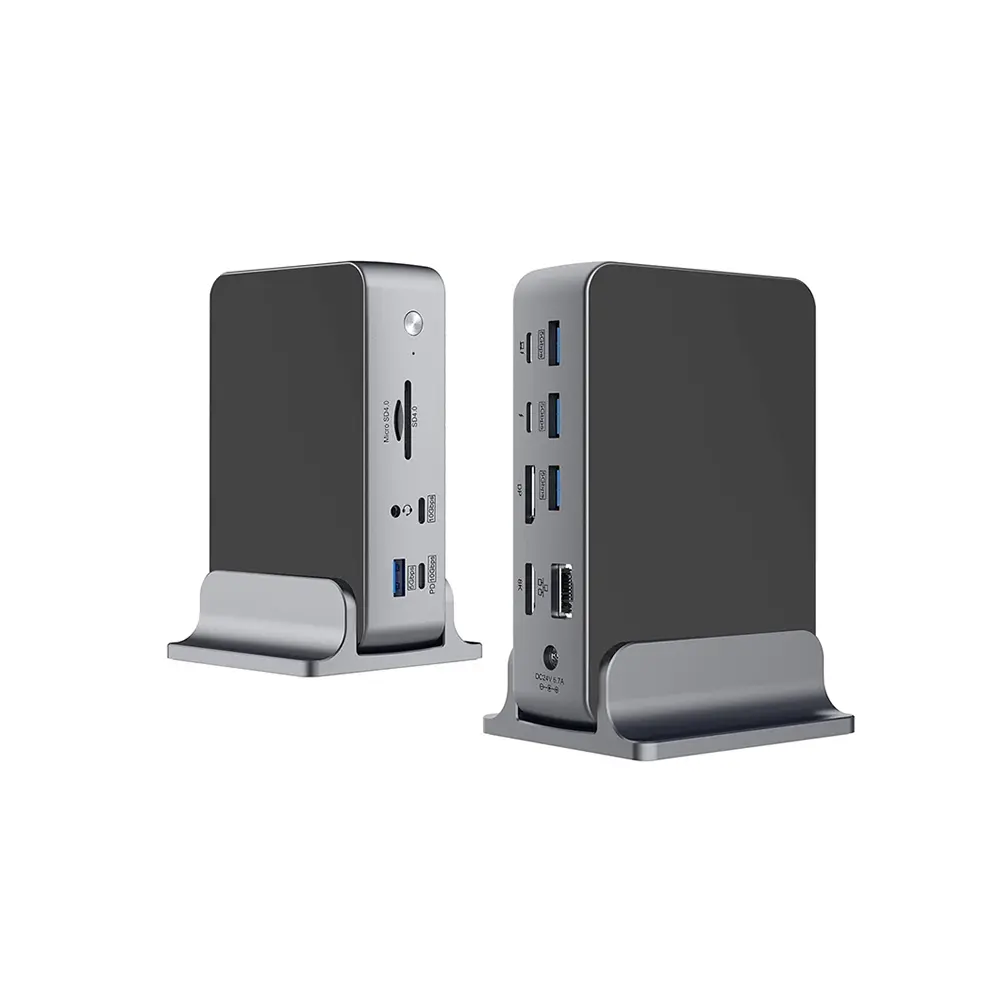 USB C Docking Station
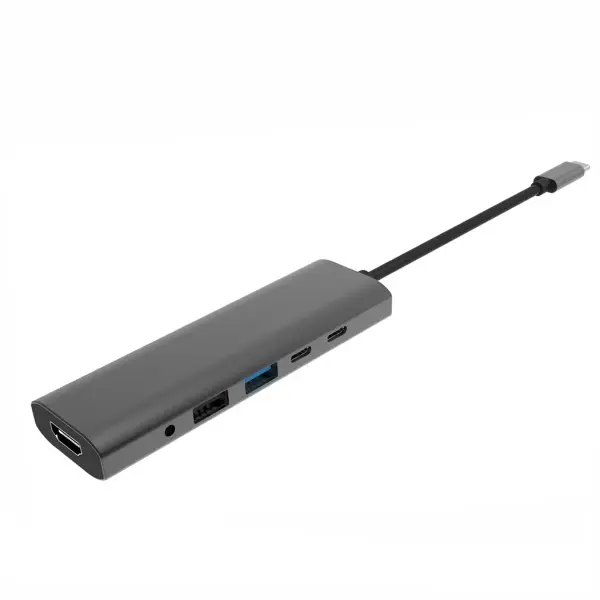 USB C Hub-H Series
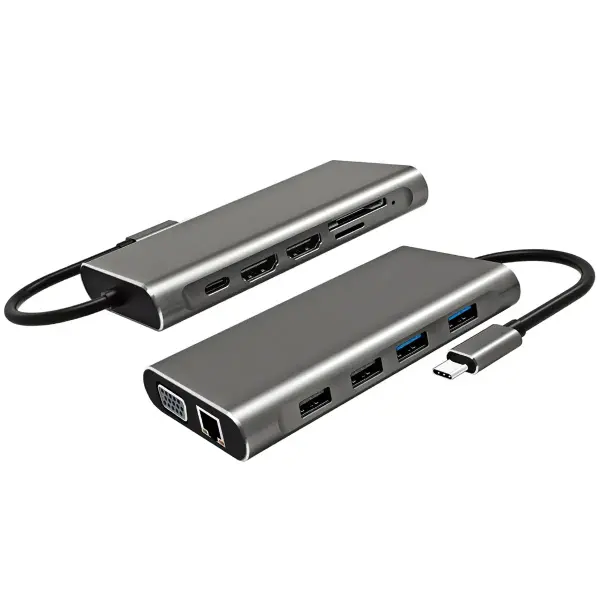 USB C Hub-H Series High End
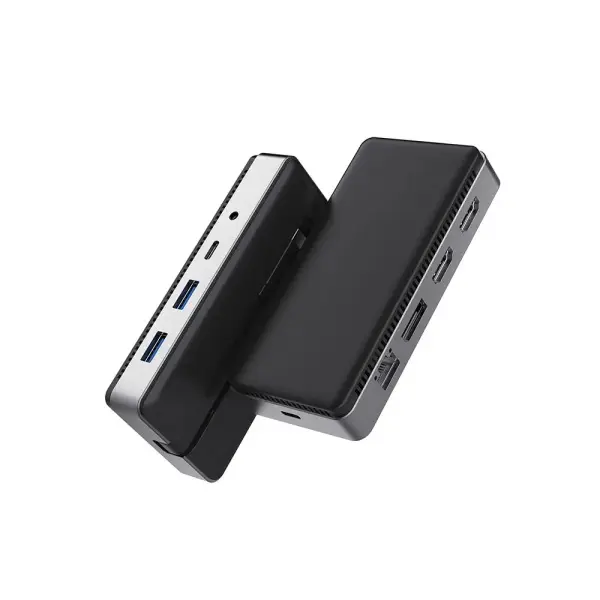 USB C Hub-X Series High End
 HDMI Cable
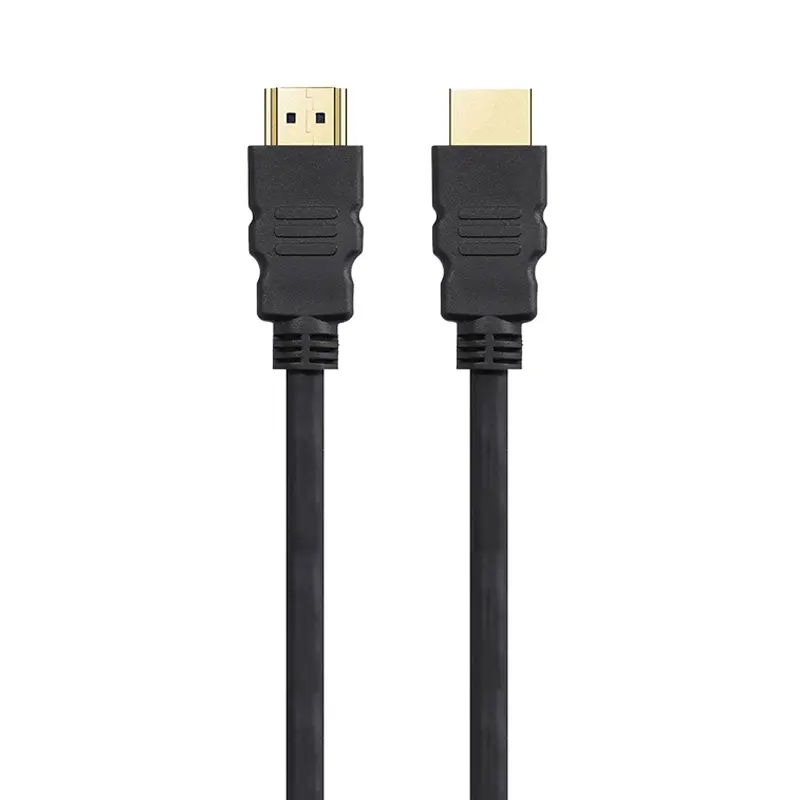 4K HDMI Cable
 8K HDMI Cable
 16K HDMI Cable
 AOC HDMI Cable
 HDMI Conversion Cable
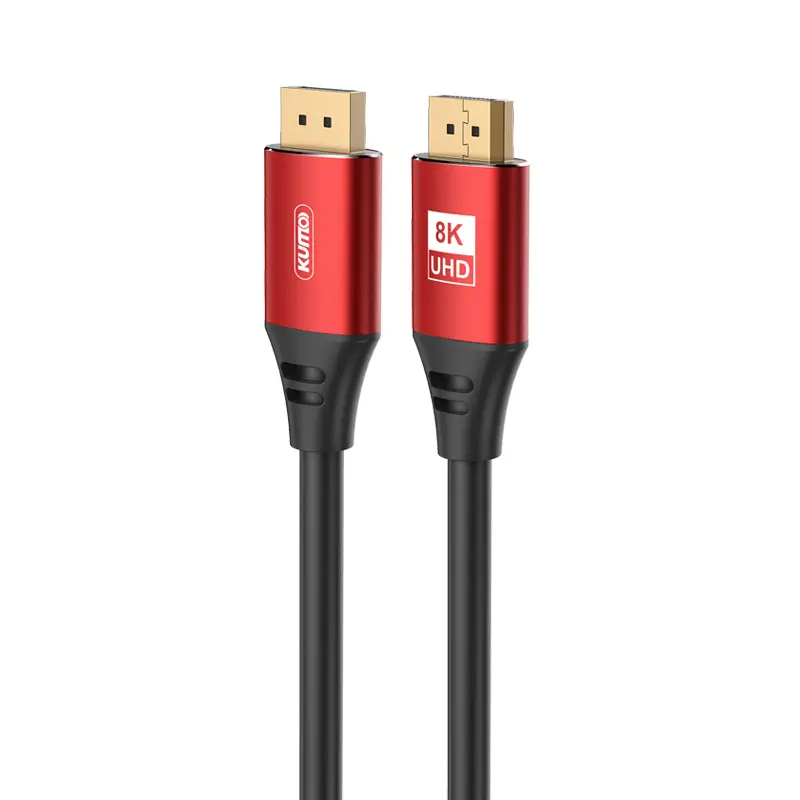 8K DisplayPort Cable
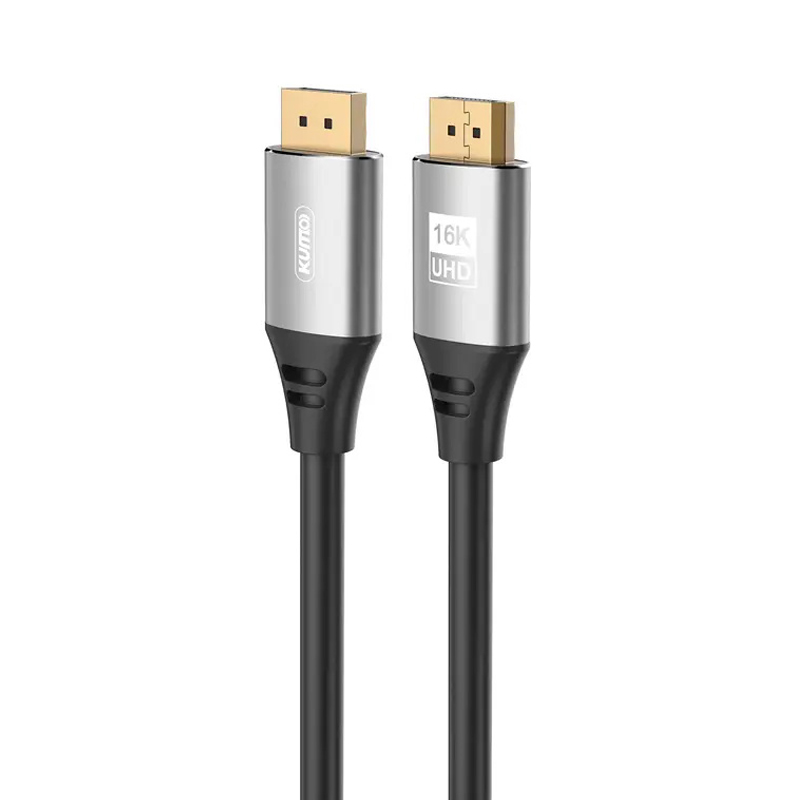 16K DisplayPort Cable
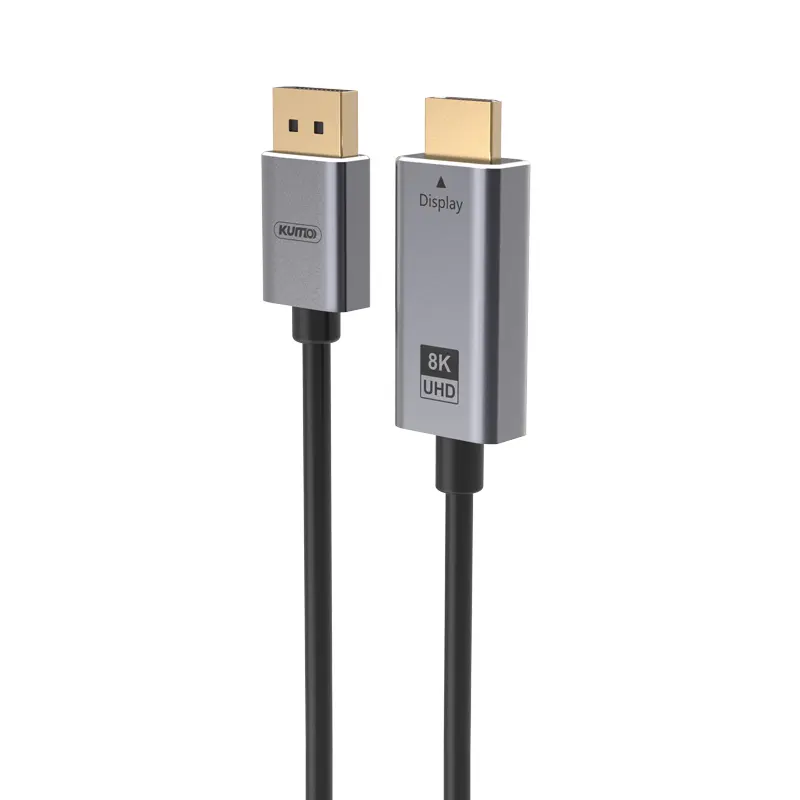 DisplayPort Conversion Cable
 XLR Cable
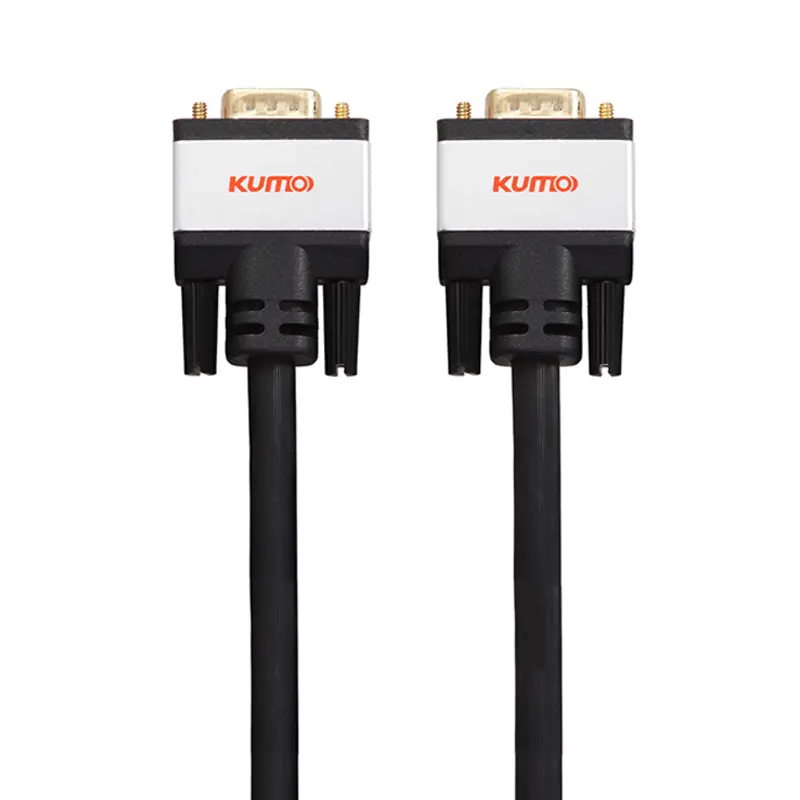 VGA Cable
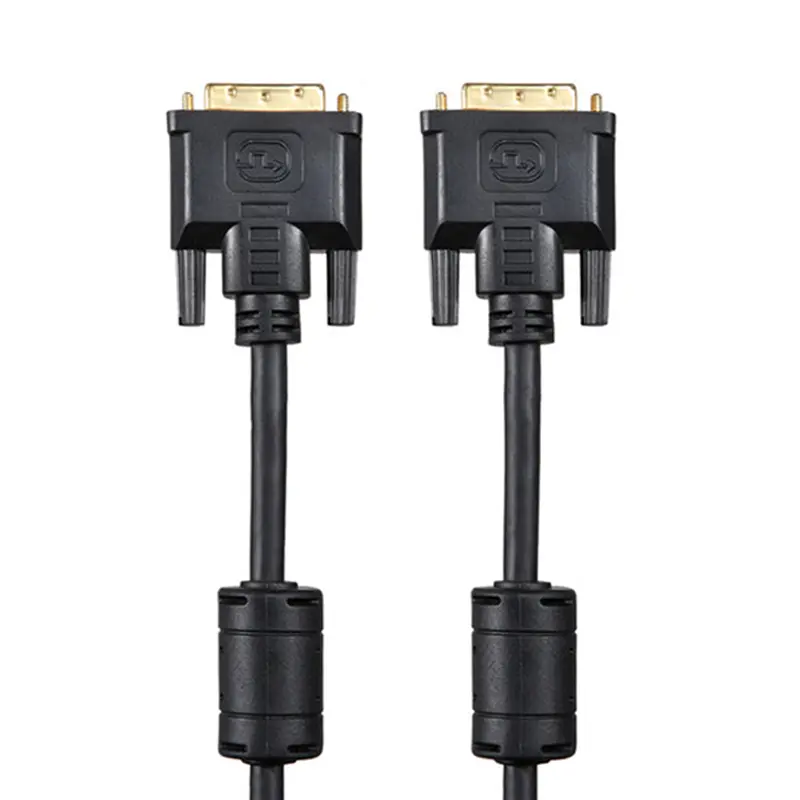 DVI Cable
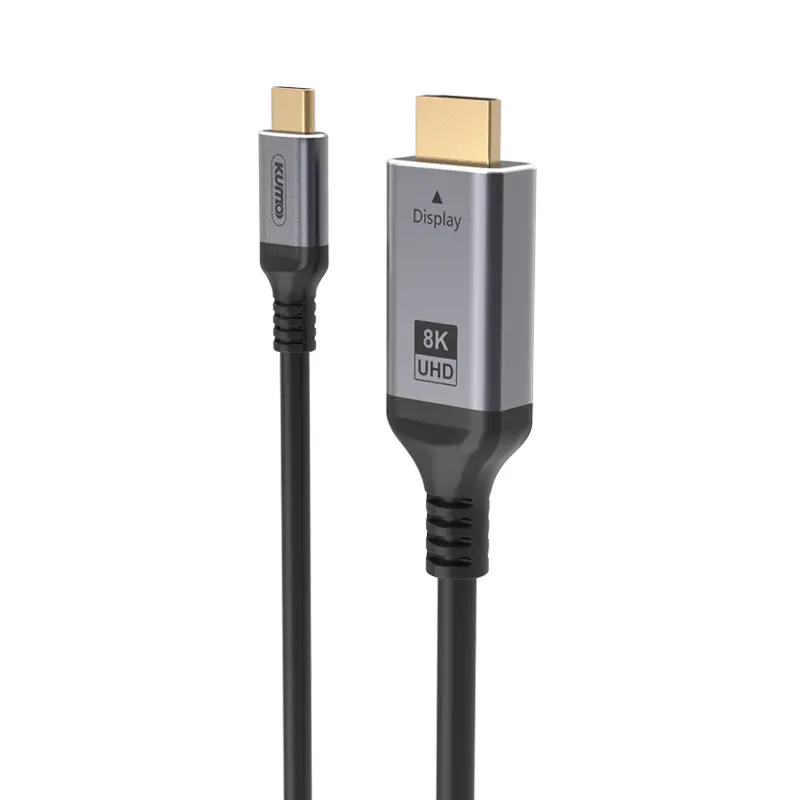 Type C To HDMI
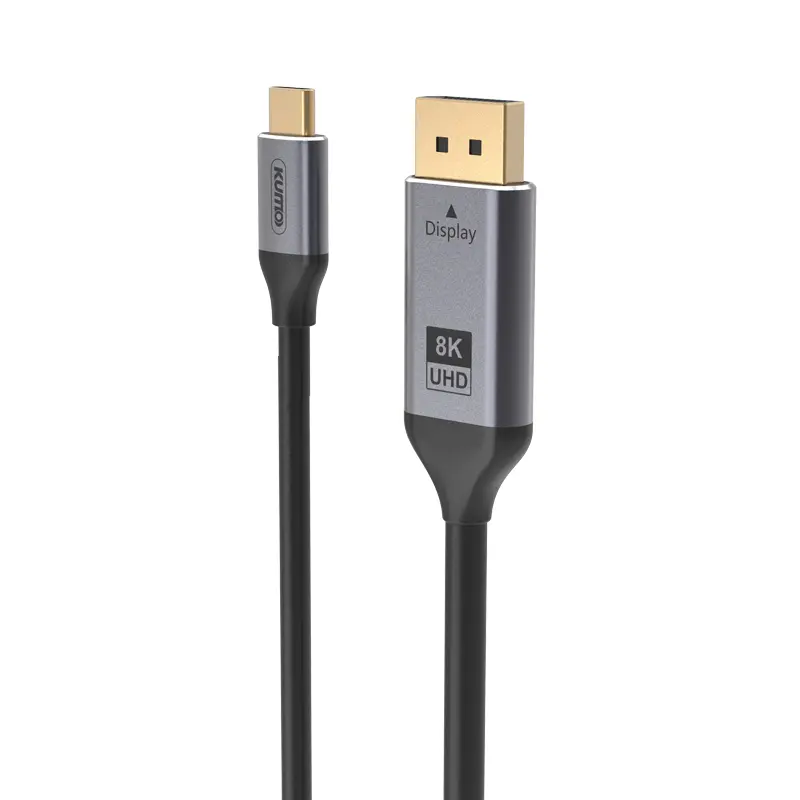 Type C to DP
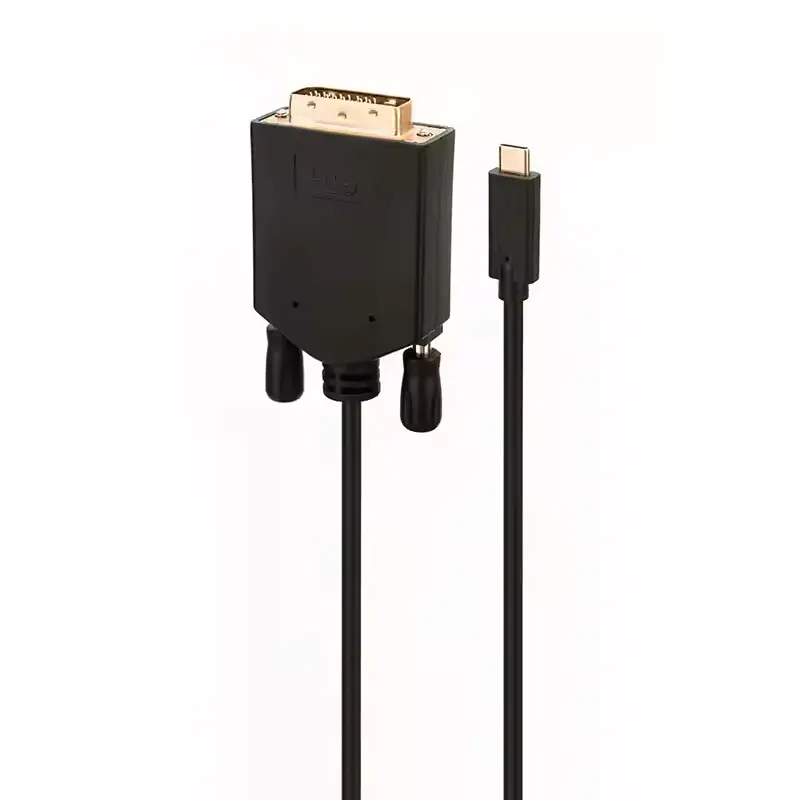 Type C to DVI
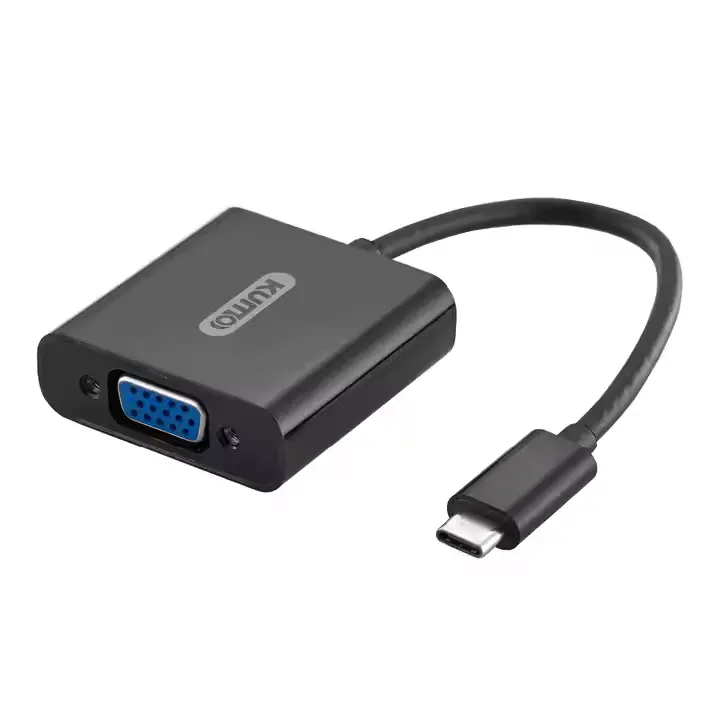 Type C Adapter
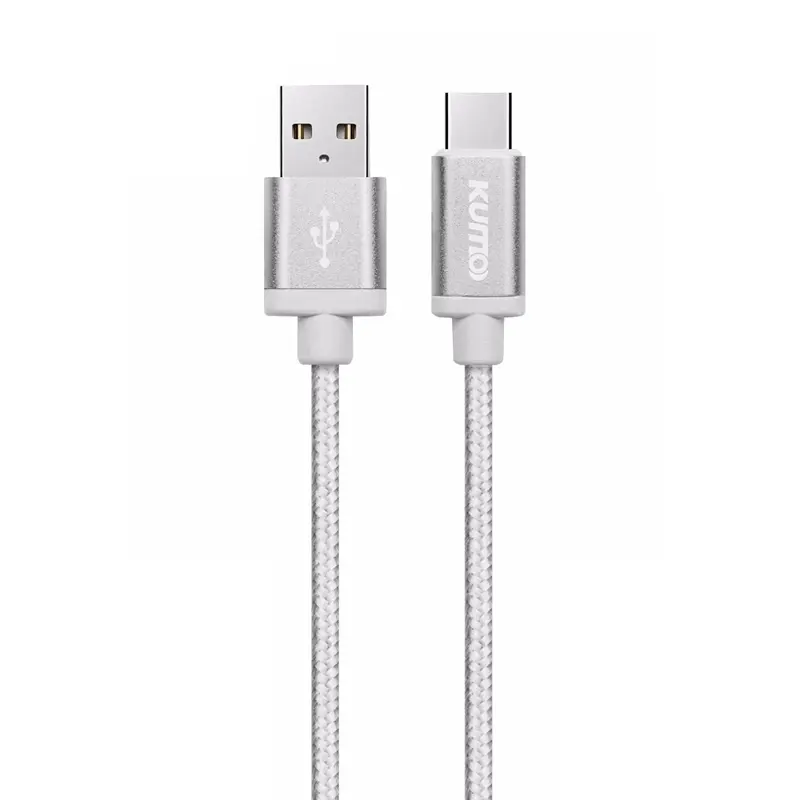 USB A to C Cable
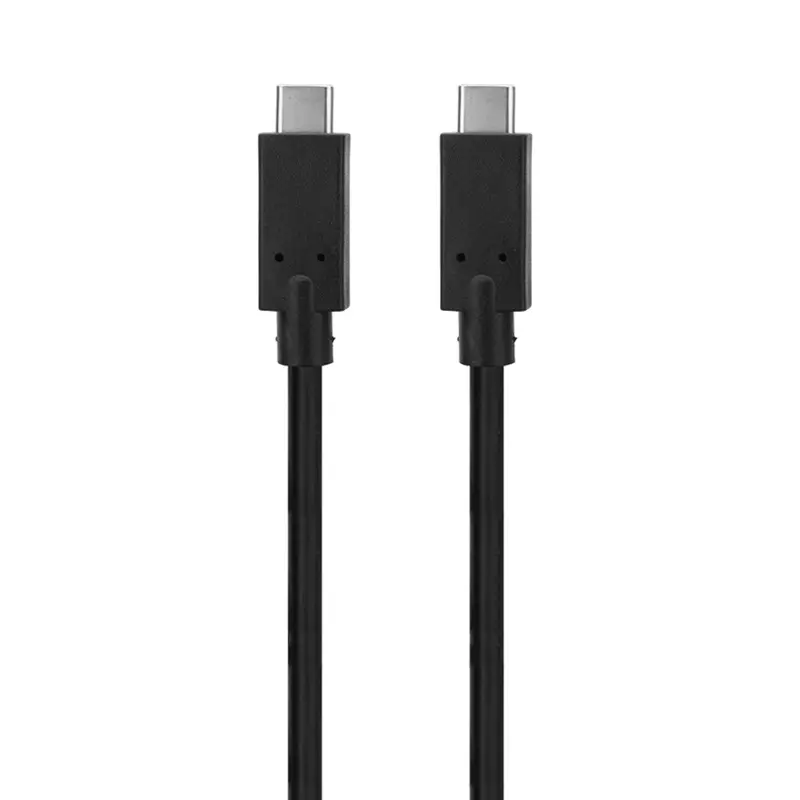 USB C to C Cable
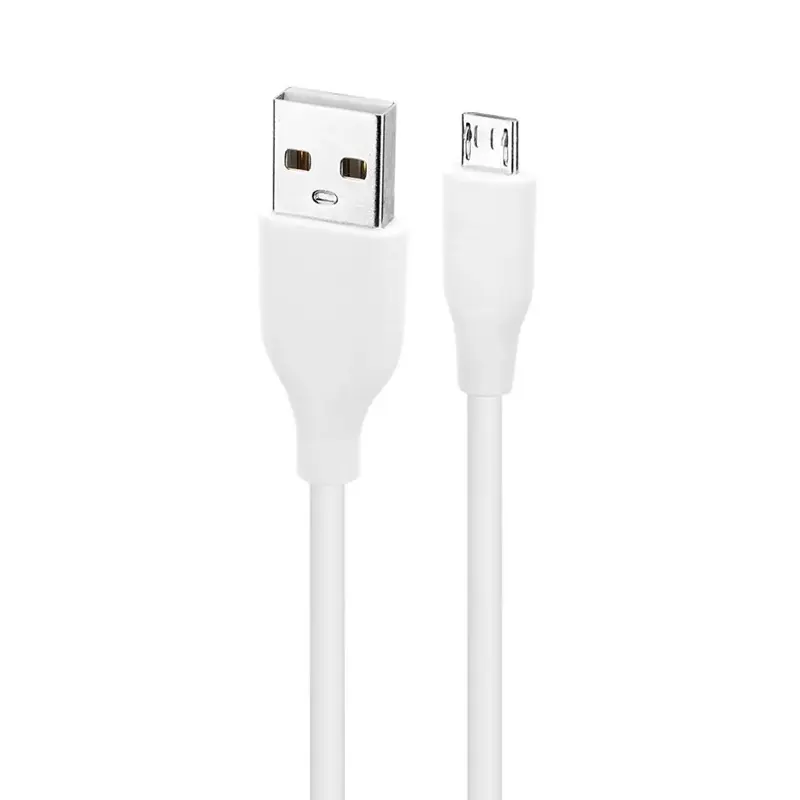 Micro USB Cable
 USB4 Cable