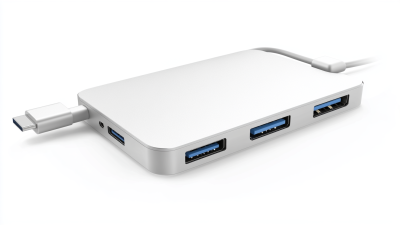
How to Choose the Best USB Type C Hub Adapter for Your Needs?
In today's digital age, choosing the right USB Type C Hub Adapter can significantly enhance your connectivity options. John Doe, a noted tech expert, states, "The right hub transforms your devices into a seamless powerhouse." With the plethora of options available, this decision can feel overwhelming.
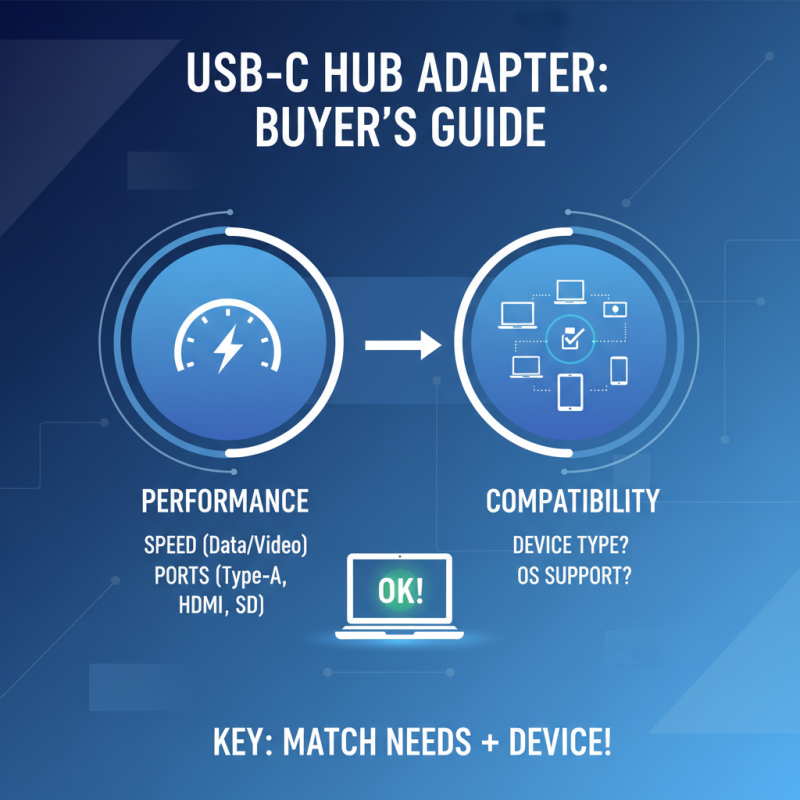
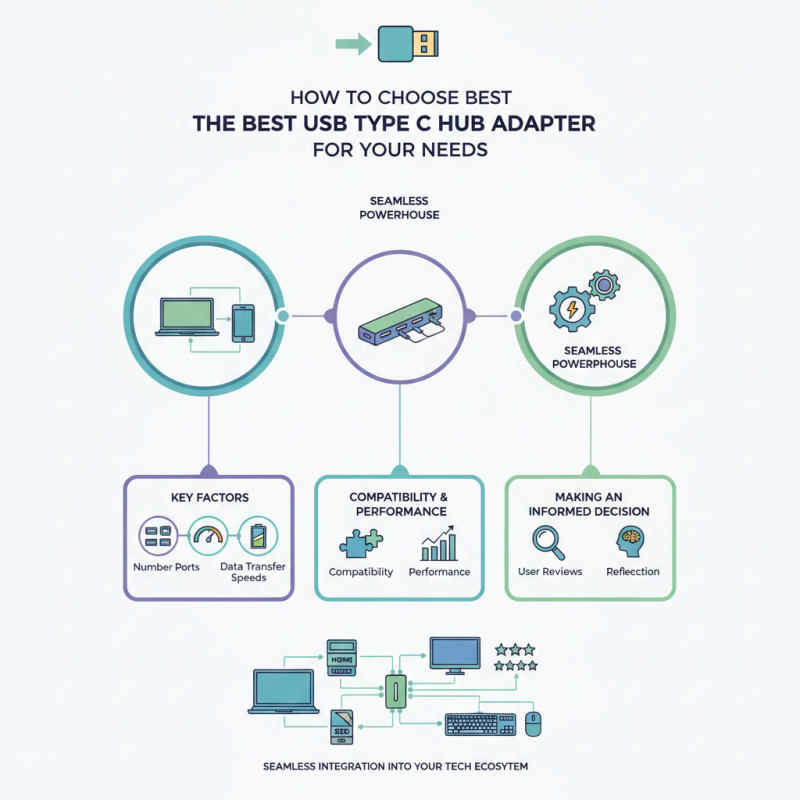
Many users face confusion over the specifications and compatibility issues. Selecting a USB Type C Hub Adapter that meets your unique needs is crucial for optimizing performance. Consider factors like the number of ports, data transfer speeds, and additional functionalities such as charging capabilities.
Often, individuals overlook the importance of researching user reviews to understand real-world performance. Not every hub serves all purposes well. Some may offer many ports but lack reliable data transfer speed. Reflecting on these details is essential for making an informed decision. A USB Type C Hub Adapter should not just be a purchase; it should fit seamlessly into your tech ecosystem.
Understanding USB Type C Hub Adapters and Their Features
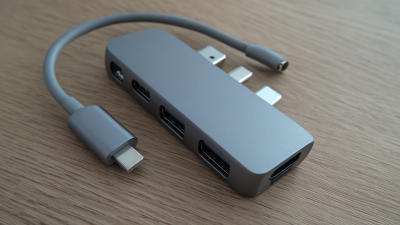
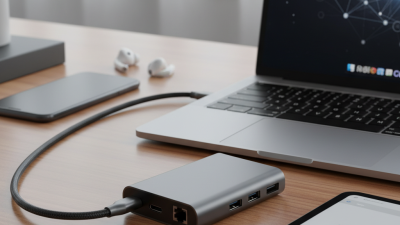
USB Type C hub adapters have become essential for modern devices. They allow connection to multiple peripherals through a single port. Many devices now favor USB Type C for its versatility. However, choosing the right hub can be challenging due to the variety of features available.
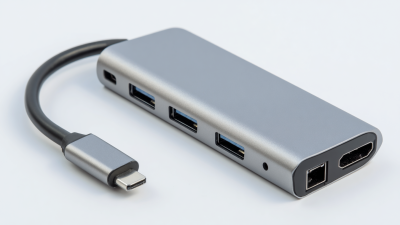
One key feature is the number of ports. Depending on your needs, you might want multiple USB-A ports, HDMI outputs, or even SD card slots. Some users may prefer a hub with an Ethernet port for stable internet access. The build quality of the hub is also important; a sturdy construction helps prevent wear and tear. However, hubs can sometimes be bulky or heavy, which can be a downside for portability.
Consider the data transfer speed. Different hubs offer varying speeds, which can affect performance. Some may only support USB 2.0, while others may allow USB 3.1 speeds. This can be frustrating if you require fast data transfer. Lastly, compatibility is crucial. Not all hubs work seamlessly with every device. Reflection on your specific use case can guide your choice effectively.
USB Type C Hub Adapter Features Comparison
This chart compares various features of USB Type C Hub Adapters based on a score system. The features evaluated include Power Delivery capabilities, Data Transfer Speed, Number of Ports available, Price, and Build Quality. Each category is rated out of 10 to help users understand which qualities are prioritized in different adapters.
Identifying Your Specific Needs for a Hub Adapter
When choosing a USB Type C hub adapter, understanding your specific needs is crucial. Consider which devices you intend to connect. Are you linking a monitor, keyboard, or external storage? Some users may want multiple HDMI outputs. Others may require Ethernet ports for stable internet access. Assess your daily tasks. Sketch out how you use your devices.
Evaluating compatibility is vital. Not every hub works with all devices. Some laptops and tablets may have limitations. Check the data transfer speed. A slower hub can affect productivity. Think about aesthetics and portability too. A bulky adapter might not fit your lifestyle. What about cable length? It can make a difference in setup convenience.
Lastly, make a list of the features you value most. Is it essential to have charging capability? Maybe not. Reflecting on your real needs helps. Don't rush into a decision. Compare options thoroughly. The right hub will enhance your workflow without complicating it.
How to Choose the Best USB Type C Hub Adapter for Your Needs?
| Feature |
Description |
Considerations |
| Number of Ports |
The total number of available USB Type C and other ports. |
Choose based on the devices you need to connect. |
| Data Transfer Speed |
The speed at which data can be transferred between devices. |
Look for USB 3.1 or higher for faster speeds. |
| Power Delivery |
Support for charging connected devices via the hub. |
Check the wattage compatibility with your device. |
| Compatibility |
How well the hub works with different operating systems (Windows, macOS, Linux). |
Ensure compatibility with all your devices. |
| Build Quality |
Material and durability of the hub adapter. |
Look for sturdy materials like aluminum for better longevity. |
| Size and Portability |
The physical dimensions and weight of the hub. |
Consider if you need a compact hub for travel. |
Exploring Different Types of USB Type C Hubs Available
When exploring the market for USB Type C hubs, it’s crucial to understand the different types available. Currently, data shows that around 45% of consumers prioritize charging capabilities. Many hubs now offer Power Delivery (PD) support. This feature allows users to charge devices while using other ports, which can be essential for laptops and tablets.
Another significant factor is port variety. Many hubs feature HDMI, Ethernet, and various USB-A ports. A 2022 survey revealed that 55% of users require a hub that connects multiple devices simultaneously. The demand for data transfer rates is also high. Some hubs can achieve speeds exceeding 10 Gbps. Users should ensure that the hub meets their data transfer needs.
However, not all hubs are created equal. Device compatibility can be tricky. Some users find that their chosen hub doesn’t work as expected with their devices. This lack of compatibility can lead to frustration. Testing the hub with specific devices before purchasing is a wise approach. Evaluating your precise requirements can help prevent potential disappointments. The right hub should simplify your digital life, rather than complicate it.
Evaluating Performance and Compatibility of Hub Adapters
When choosing a USB Type C hub adapter, it's crucial to assess both performance and compatibility. Different devices have unique requirements, and what works for one might not work for another. A hub might excel in connectivity but fail in speed. Always check if the adapter supports the specific functions you need, like data transfer or HDMI output. Compatibility with your devices is essential. Not all adapters support every function across all devices.
Tips: Explore the specifications carefully. Look for support for multiple operating systems. If you use both Mac and Windows, your choice matters.
Another aspect is performance. A hub with high data transfer rates is preferable, especially for large file transfers. Some hubs may seem cost-effective, but their performance can be lacking. It's vital to read reviews and gather experiences from other users. Performance can vary widely across different use cases.
Tips: Don’t focus solely on price. Sometimes investing a bit more can lead to better long-term satisfaction.
Remember that not every hub is perfect. There might be bugs or connectivity issues. Reflect on your actual usage and refrain from overestimating your needs. A well-chosen adapter can enhance your workflow, but it’s essential to be realistic about your requirements.
Considering Price, Brand, and Warranty for Your Purchase
When choosing a USB Type C hub adapter, three factors stand out: price, brand, and warranty. It’s essential to find a hub that fits your budget. Prices can vary significantly, so comparing different options is crucial. Sometimes a lower price means fewer features. However, higher prices don’t always guarantee better quality.
Brand reputation is also important. Some brands are known for reliability, while others may be less consistent. Look for reviews and user feedback. These resources can illuminate the performance of specific hubs, helping you make an informed choice. A reliable brand often stands behind its products.
Warranty matters too. A good warranty shows that a manufacturer stands by its product. It offers peace of mind if issues arise. Consider the warranty period carefully. Shorter warranties may indicate a lack of confidence in the product's durability. Always ask yourself if the risk is worth it.
Tips:
- Research multiple brands and models.
- Read customer reviews thoroughly.
- Consider the return policy in case of dissatisfaction.

 USB C Docking & Hub
 USB C Docking Station
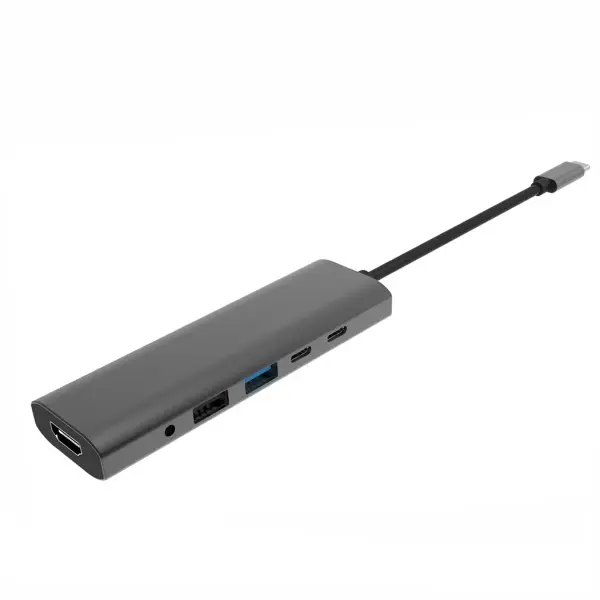 USB C Hub-H Series
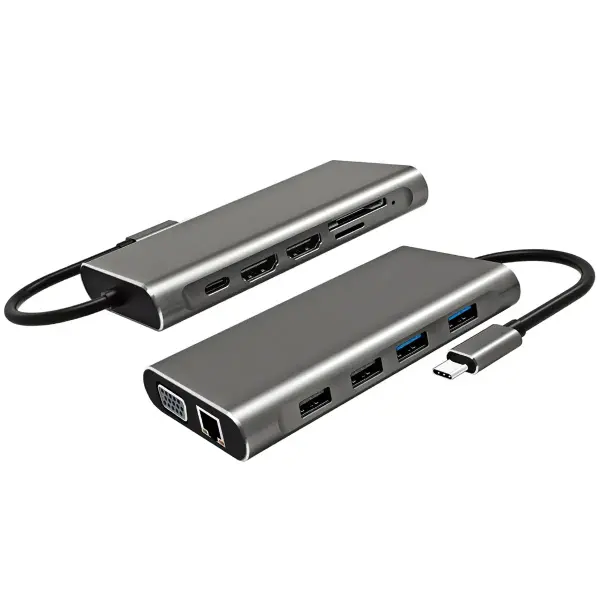 USB C Hub-H Series High End
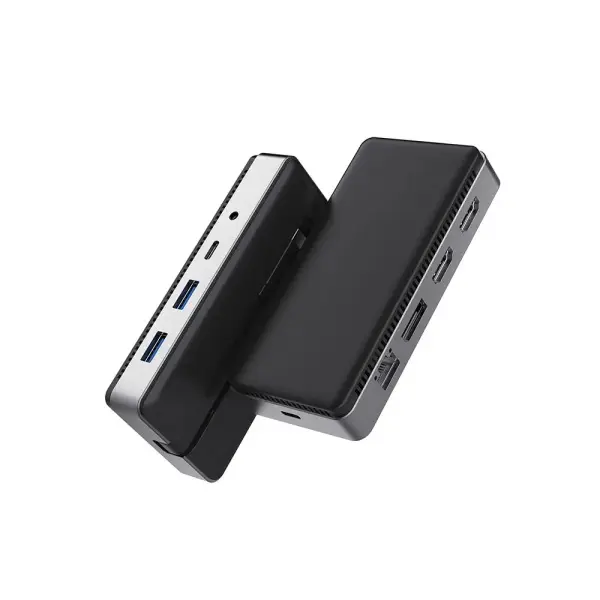 USB C Hub-X Series High End
 HDMI Cable
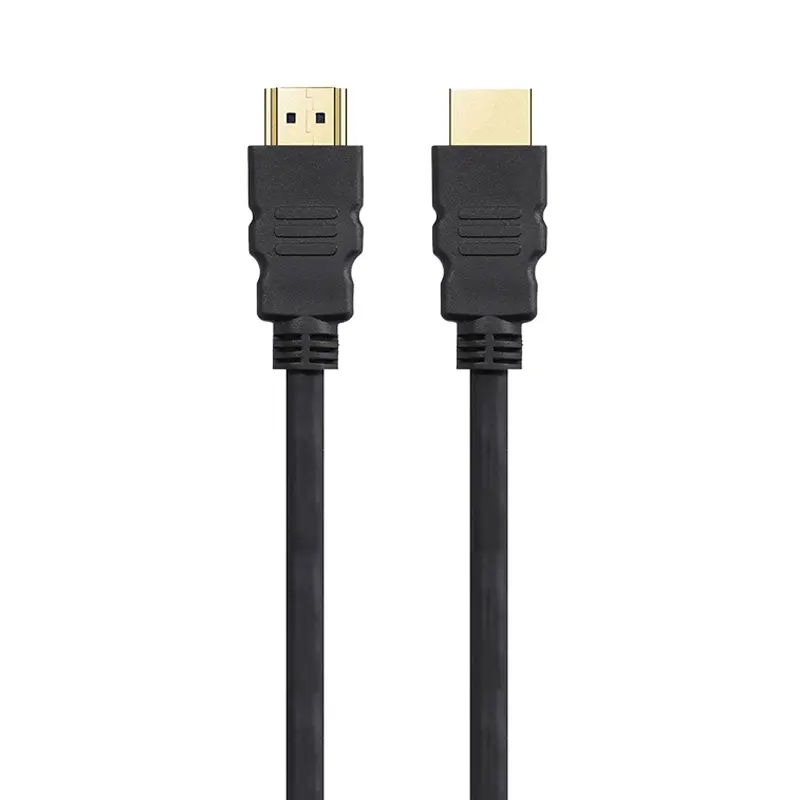 4K HDMI Cable
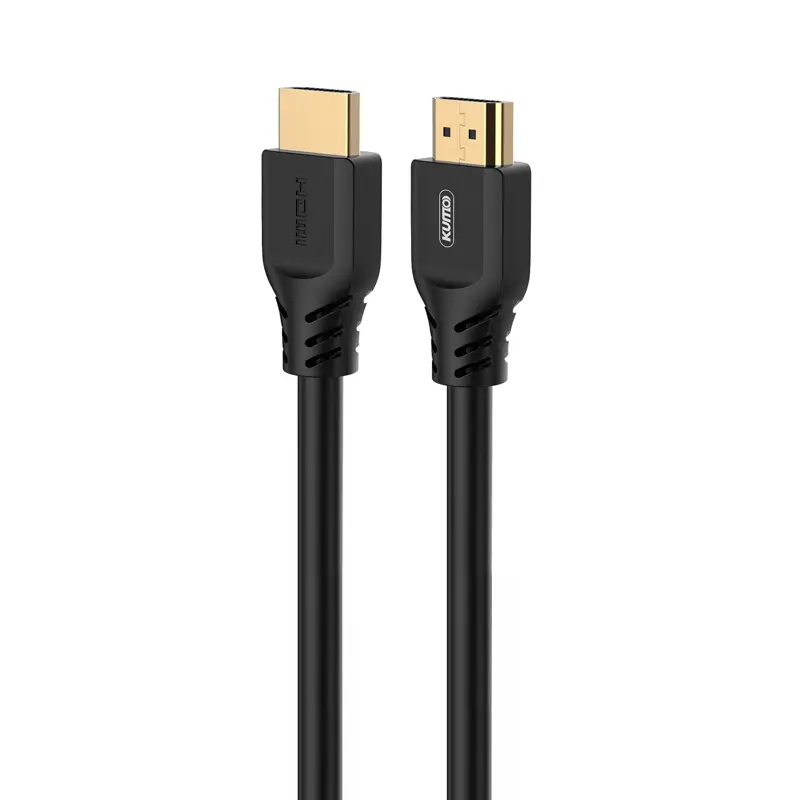 8K HDMI Cable
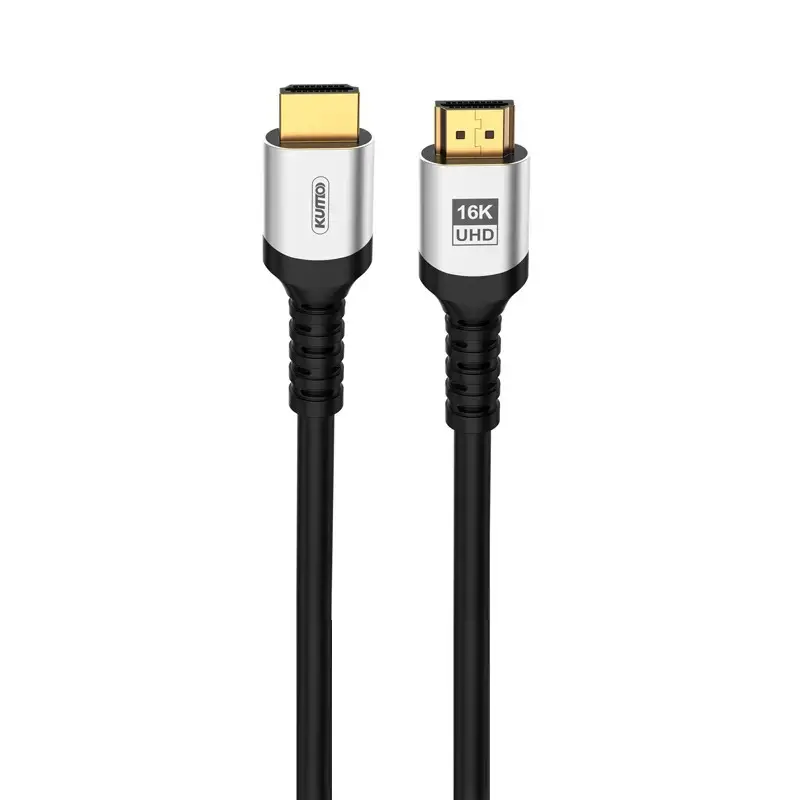 16K HDMI Cable
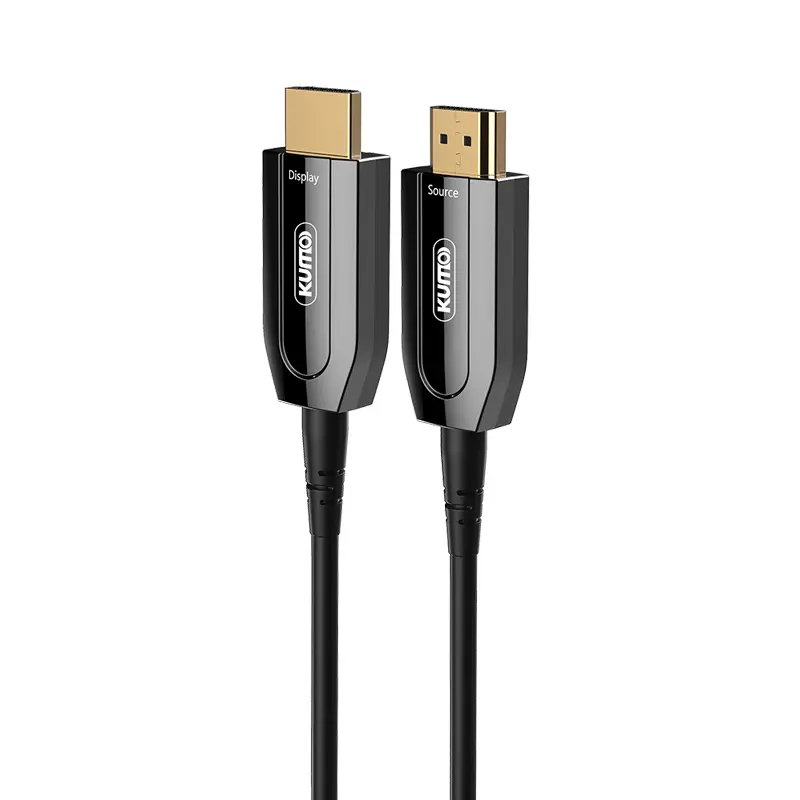 AOC HDMI Cable
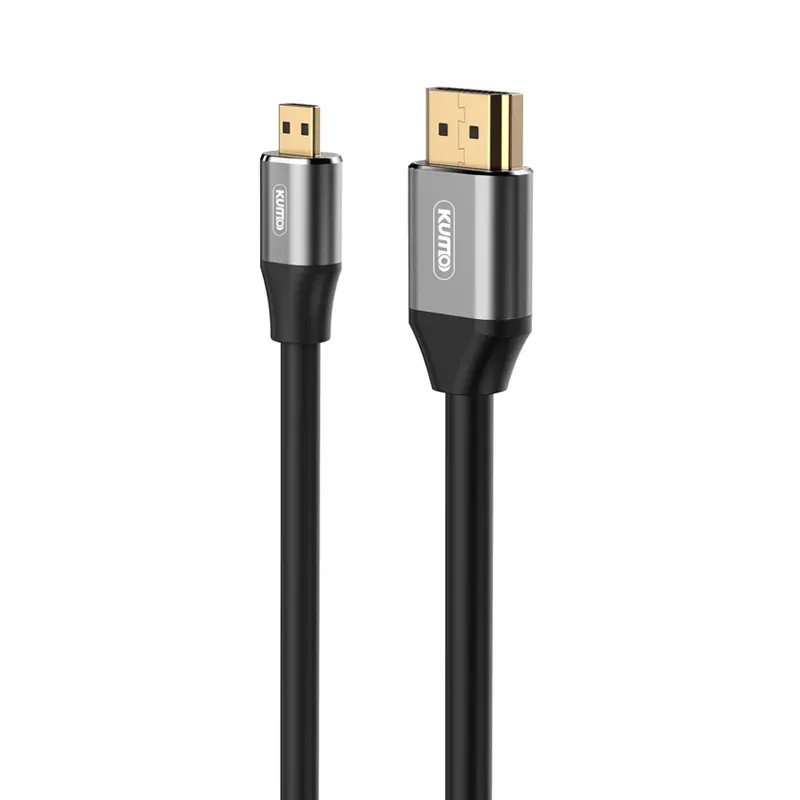 HDMI Conversion Cable
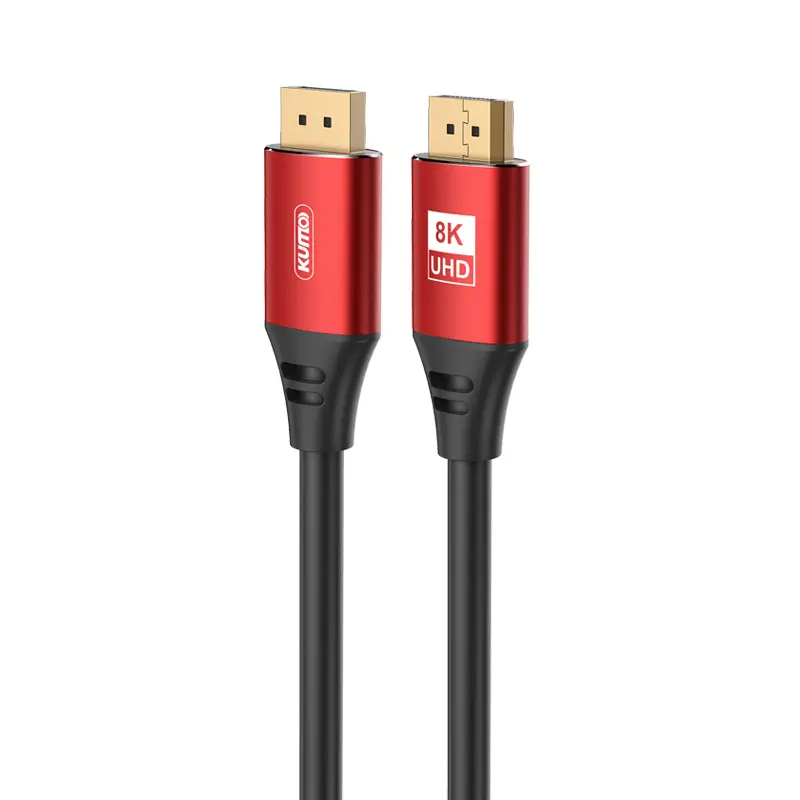 8K DisplayPort Cable
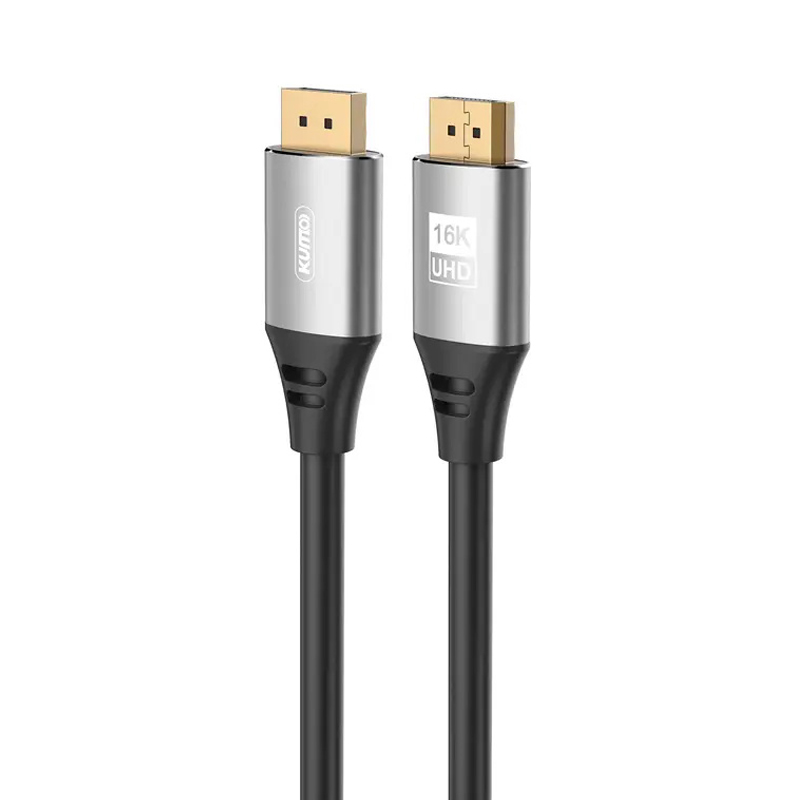 16K DisplayPort Cable
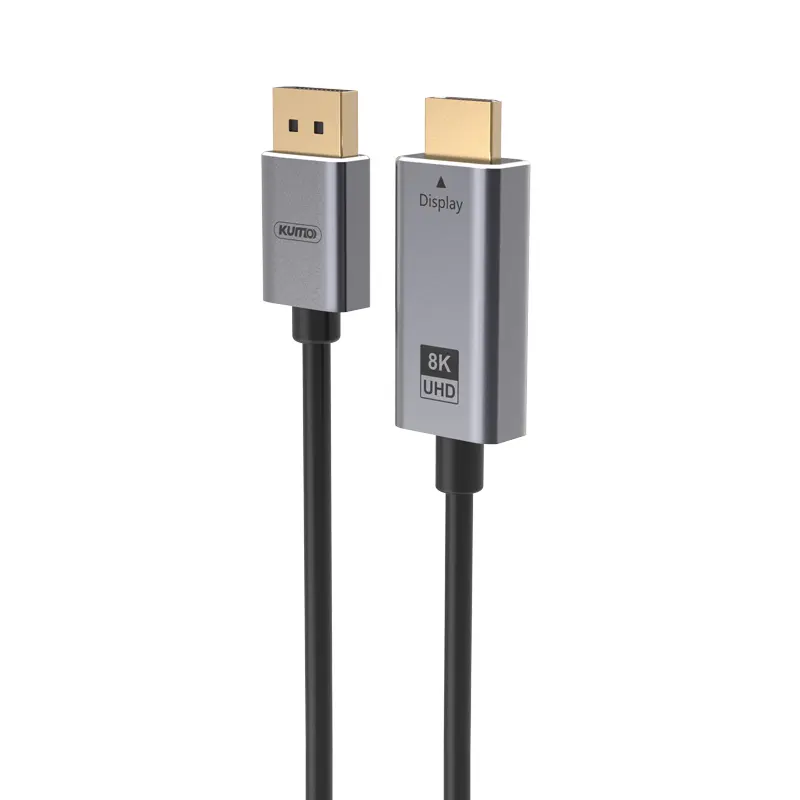 DisplayPort Conversion Cable
 XLR Cable
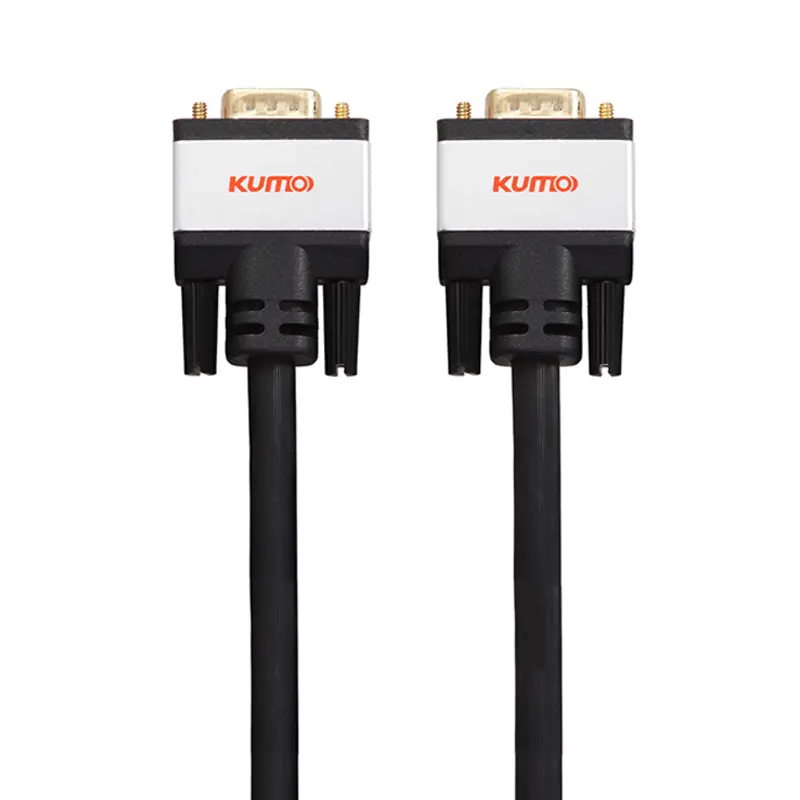 VGA Cable
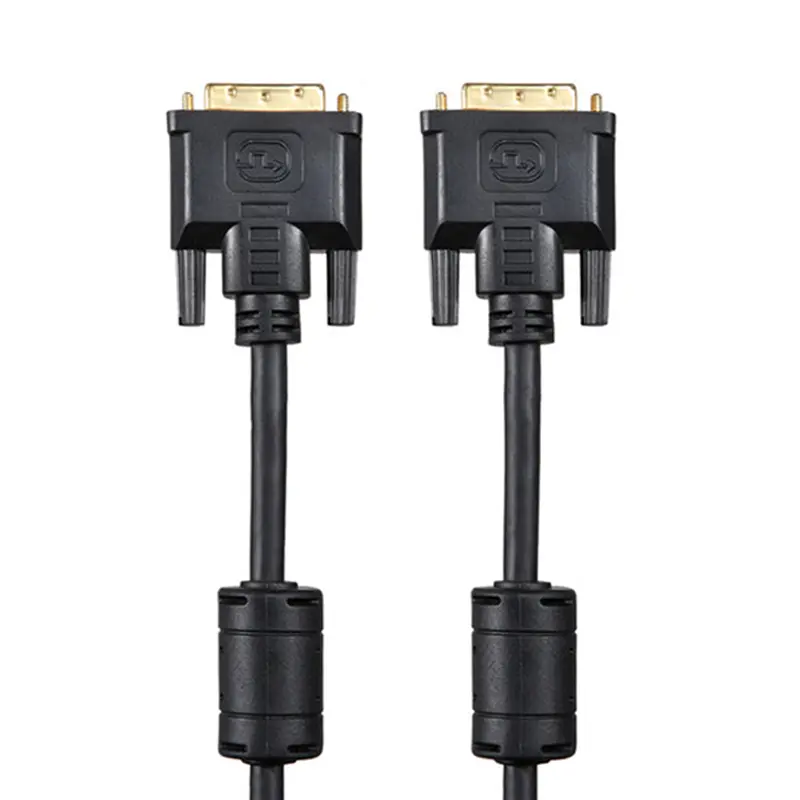 DVI Cable
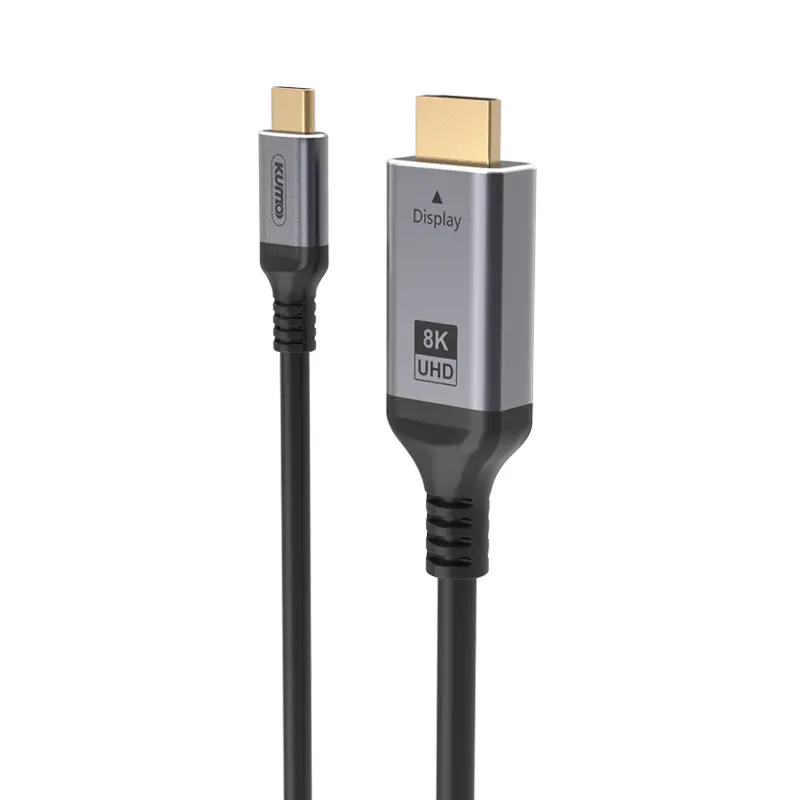 Type C To HDMI
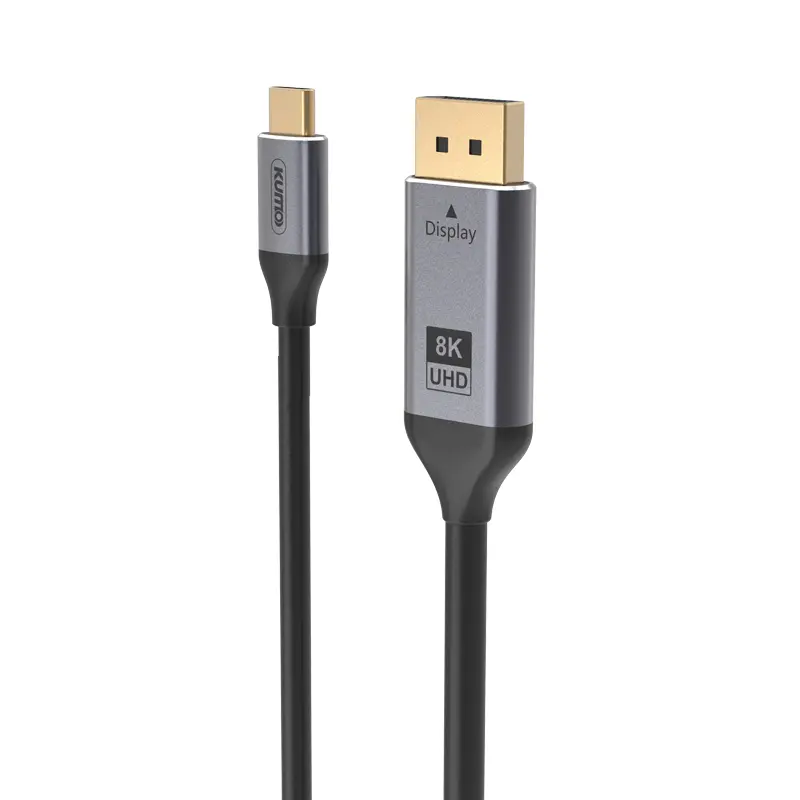 Type C to DP
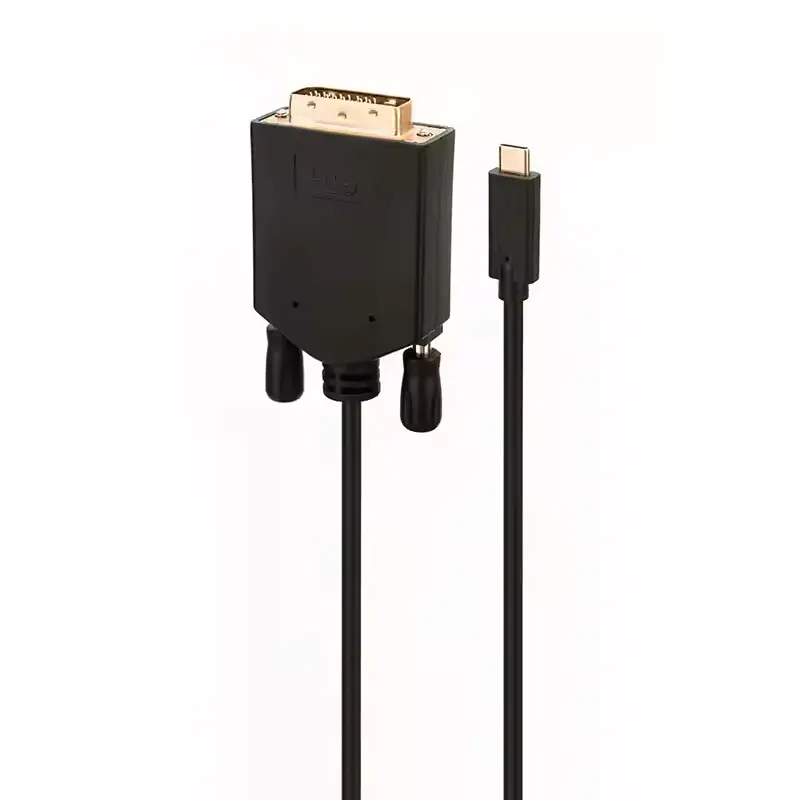 Type C to DVI
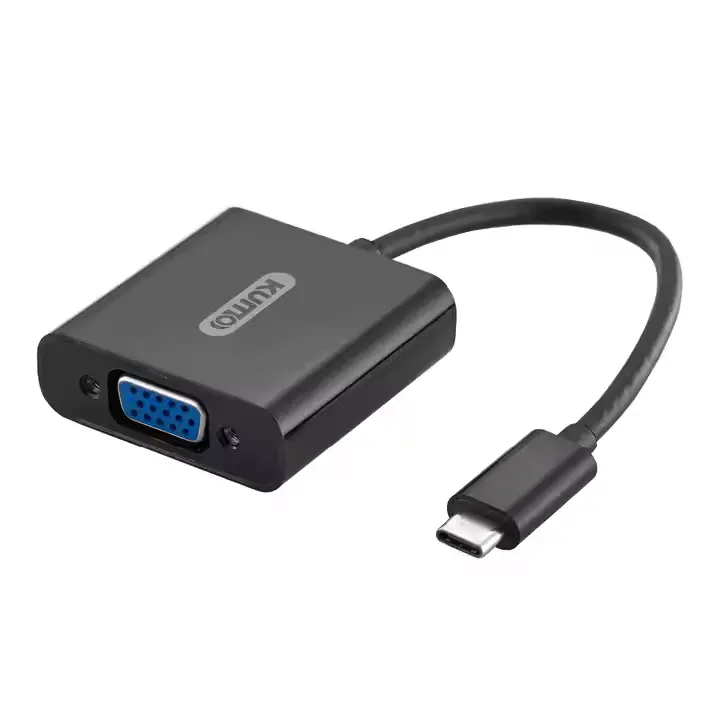 Type C Adapter
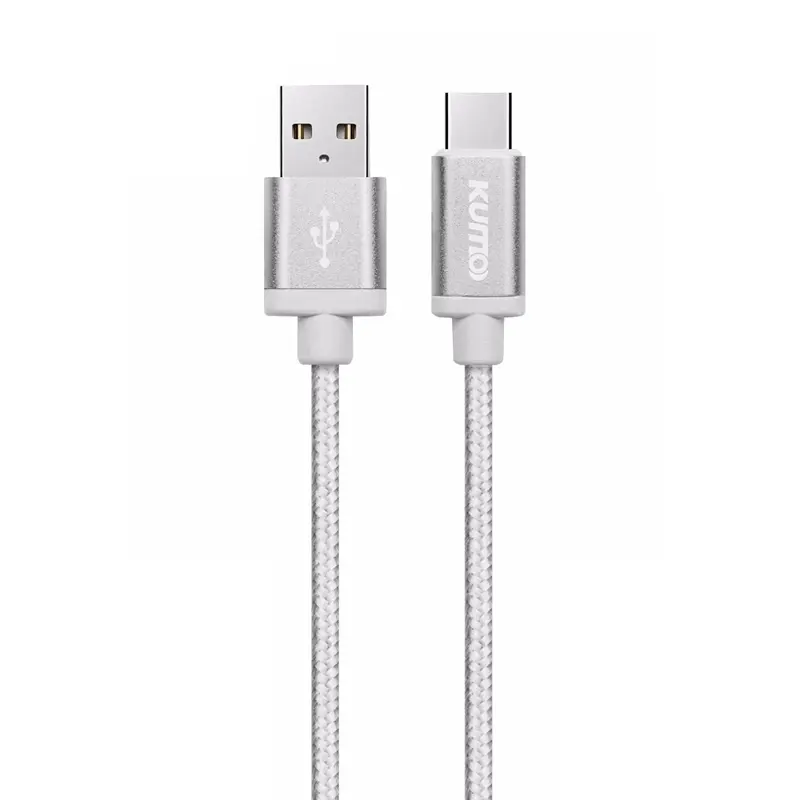 USB A to C Cable
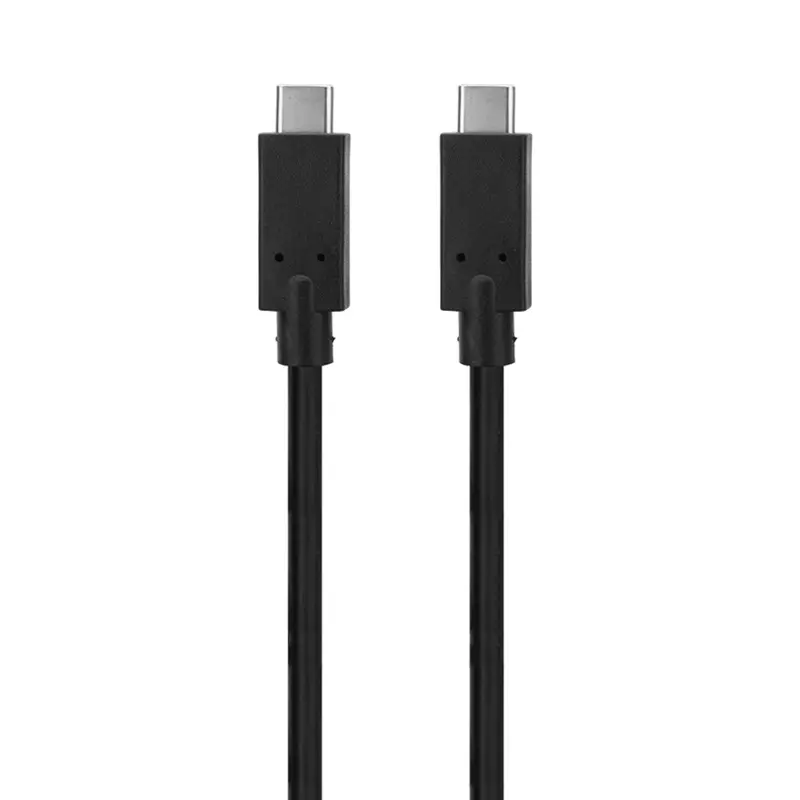 USB C to C Cable
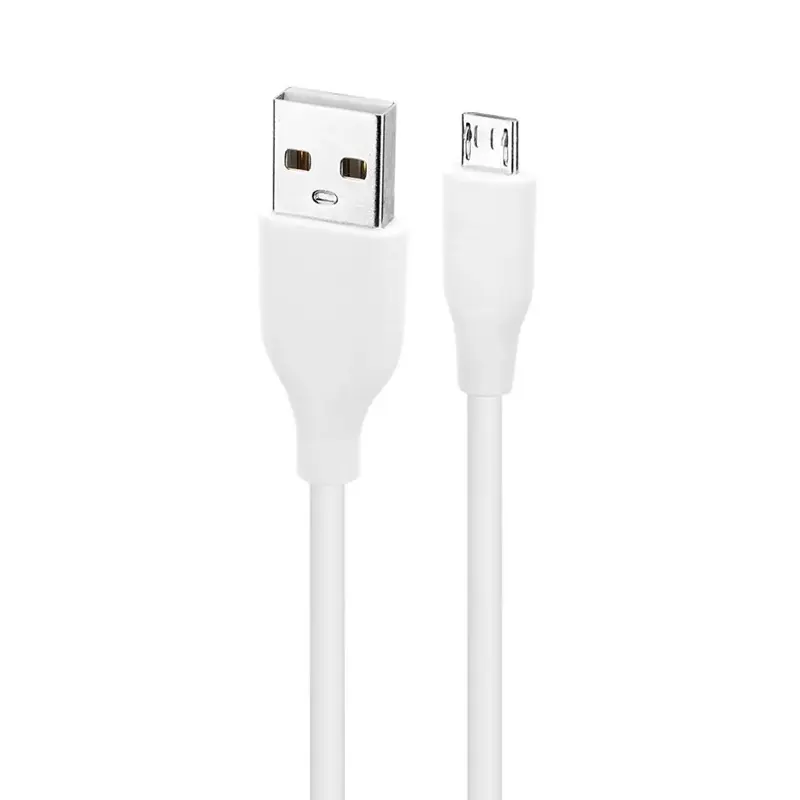 Micro USB Cable
 USB4 Cable