10 Essential Tips for Choosing a Hub USB C to DisplayPort?
In today's tech-driven world, selecting the right Hub USB C to DisplayPort is crucial for optimizing your device's performance. According to a recent report by the International Data Corporation (IDC), the demand for USB-C connections will see a significant increase, reaching an estimated growth rate of 30% annually over the next five years. This shift indicates that understanding how to choose a suitable hub is more important than ever.
When opting for a Hub USB C to DisplayPort, various factors come into play. Compatibility is essential; not all devices support every hub. A study by Statista highlighted that nearly 40% of users experience compatibility issues when selecting electronics. Additionally, performance and video resolution need careful consideration. Some hubs might claim 4K resolution but fail to deliver in real-world scenarios, leading to user frustration.
Ignoring the fine print can lead to pitfalls. Many users overlook the importance of power delivery and the number of ports available. Ensuring your hub can support multiple peripherals without sacrificing performance is vital. With USB-C becoming the standard, investing time in understanding these elements will enhance your overall multimedia experience. As you navigate this process, remember that not every hub is created equal, and a little research can go a long way.
Understanding USB C and DisplayPort Technologies
USB-C and DisplayPort technologies have transformed how we connect devices. USB-C is a versatile port used for power, data transfer, and video output. It allows connections to various devices, from laptops to monitors, with a single cable. On the other hand, DisplayPort is designed specifically for video connectivity. It delivers high-quality video and audio signals, making it a favorite for gamers and professionals.
When choosing a hub, it's crucial to consider compatibility. Not all USB-C ports support DisplayPort Alt Mode, which is necessary for video output. Sometimes, users assume all USB-C hubs are created equal, but this isn’t true. Features like support for 4K resolution or refresh rates should be checked. Input and output configurations can be confusing too. Users may find themselves with ports that lack enough bandwidth for their needs.
Another point deserving attention is cable quality. Poor cables can lead to degraded performance. It's easy to overlook this detail, yet it can cause frustrations during use. Regular reviews or feedback from tech communities can guide decisions, offering insights that may not be obvious at first glance. Balancing video quality needs with budget constraints can be challenging. Thoughtful consideration of these factors will lead to a better purchasing decision in the long run.
Comparison of USB-C to DisplayPort Adapter Features
This bar chart illustrates the ratings of key features for USB-C to DisplayPort adapters, based on criteria such as compatibility, maximum resolution, refresh rate, cable length, and price. Each feature is scored on a scale from 1 to 10, providing an overview of what to consider when choosing the right adapter.
Identifying Your Device Compatibility and Requirements
When choosing a Hub USB-C to DisplayPort, understanding your device compatibility is crucial. Many users overlook this step, which can lead to connectivity issues. According to a report by the International Data Corporation (IDC), more than 30% of tech users experience compatibility problems with their devices. Ensure your hub supports DisplayPort Alt Mode, a feature necessary for transmitting video through USB-C.
Next, consider the resolution and refresh rate your devices support. Many hubs vary in performance. For instance, some may only handle 4K at 30Hz, while others can manage 4K at 60Hz. Over 50% of users report dissatisfaction when their devices fail to deliver expected video quality. Dive into the specifications, checking maximum resolution and refresh rates.
Lastly, ensure the hub supports the power delivery your devices need. Many laptops and monitors draw significant power through USB-C. A survey from Gartner indicates that 40% of compatibility issues stem from inadequate power delivery. Verify the power output before you make a purchase. Paying attention to these details can save you from future technical headaches.
Evaluating Hub Features: Ports, Power Delivery, and Data Speed
When choosing a USB C to DisplayPort hub, consider the variety of ports available. A hub with multiple ports offers versatility in connecting various devices. Look for USB A, HDMI, and Ethernet options. Each additional port can expand your workstation capabilities. However, ensure the ports support the data speed you need.
Power delivery is another critical feature. A hub that allows for charging while you use your devices can save time and space. Check the wattage supported by the hub. Insufficient power delivery can lead to slower charging rates. Sometimes, products claim higher delivery speeds but don’t perform as expected.
Data speed is essential for tasks that involve large files or high-resolution videos. Check the specifications for data transfer rates. A hub that supports USB 3.1 or higher is ideal for high-speed transfer. However, not all devices benefit equally from these speeds. Some may experience delays if other connected devices draw bandwidth. Reflect on your actual usage needs to make the best choice.
Comparing Build Quality and Design for Durability
When choosing a USB-C to DisplayPort hub, build quality and design play crucial roles in durability. According to a recent report from the Consumer Technology Association, over 75% of tech users prioritize sturdy materials when selecting cables and hubs. This factor ensures longevity in daily usage. A well-designed hub featuring aluminum or reinforced plastic can withstand wear and tear better than cheaper alternatives.
The details matter greatly. Look for hubs with strain relief features at connection points. This design prevents cable damage from bending and pulling, extending the lifespan of the device. Additionally, reports suggest that hubs with integrated cooling features can help manage heat during high performance, a necessity for extended use. Many users overlook the importance of heat dissipation, which can lead to malfunctions over time.
However, not all products meet expectations. Some users have reported that even supposedly high-quality hubs failed after a short duration. Recognizing the potential for inconsistency in manufacturing, buyers should explore customer reviews. This feedback reveals real-world insights that technical specifications cannot always provide. Investing time in researching and analyzing various options can ultimately lead to more reliable purchases.
Researching Brand Reputation and Customer Reviews
When selecting a Hub USB-C to DisplayPort adapter, researching brand reputation is vital. Established brands tend to have a track record of reliability. However, it's important to remember that even reputable brands can sometimes disappoint. Look for user experiences that highlight any persistent issues. This helps in identifying potential pitfalls.
Customer reviews are another valuable resource. They offer real-world insights into product performance. While some reviews may be overly enthusiastic, a pattern of consistent complaints should raise red flags. Pay attention to details about build quality. Look for criticisms regarding connection stability and compatibility with various devices. These nuances can make a significant difference in your overall experience.
Consider checking multiple sources for reviews. This can provide a broader perspective. Some users focus on aesthetic appeal, while others highlight performance. Balance these insights according to your priorities. An informed decision requires looking beyond shiny features. Sometimes, what seems perfect on paper may not meet your expectations in practice.

 USB C Docking & Hub
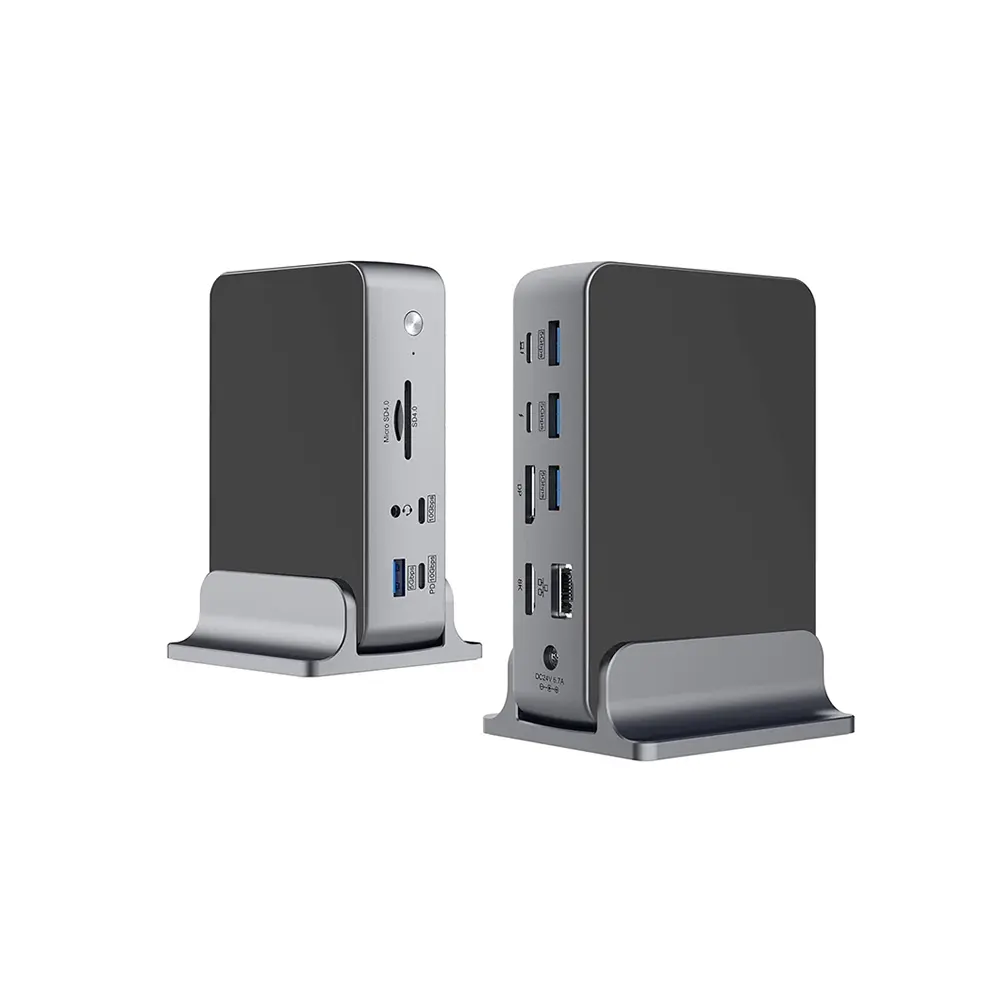 USB C Docking Station
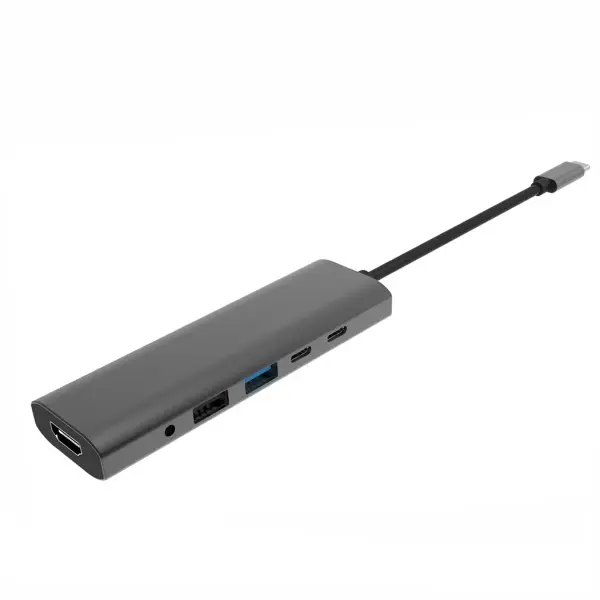 USB C Hub-H Series
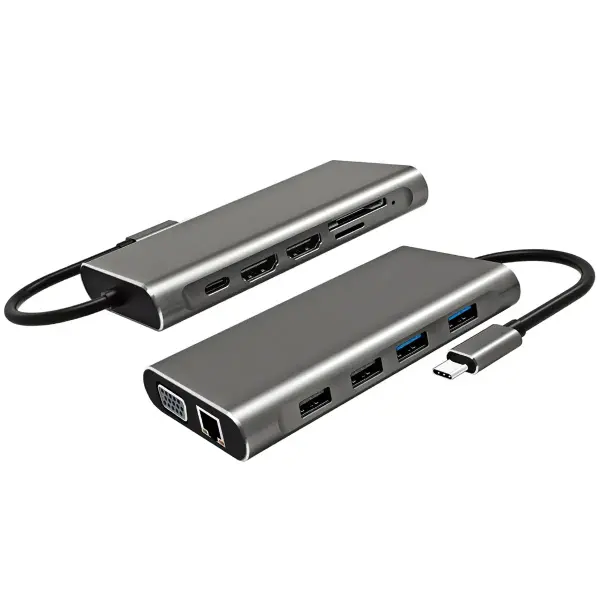 USB C Hub-H Series High End
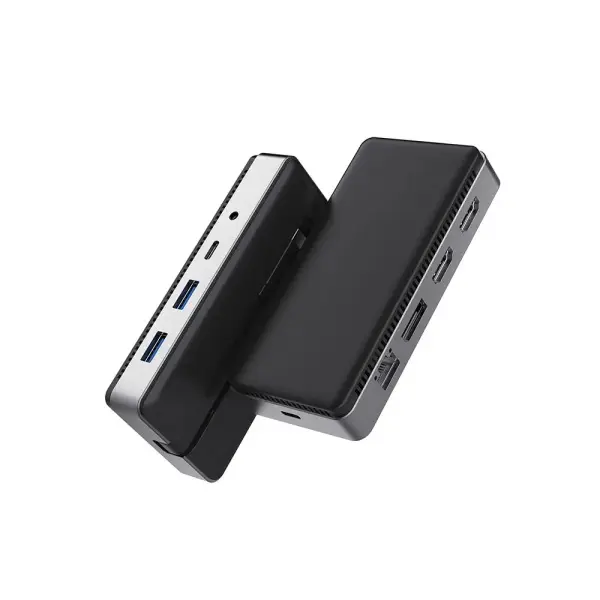 USB C Hub-X Series High End
 HDMI Cable
 4K HDMI Cable
 8K HDMI Cable
 16K HDMI Cable
 AOC HDMI Cable
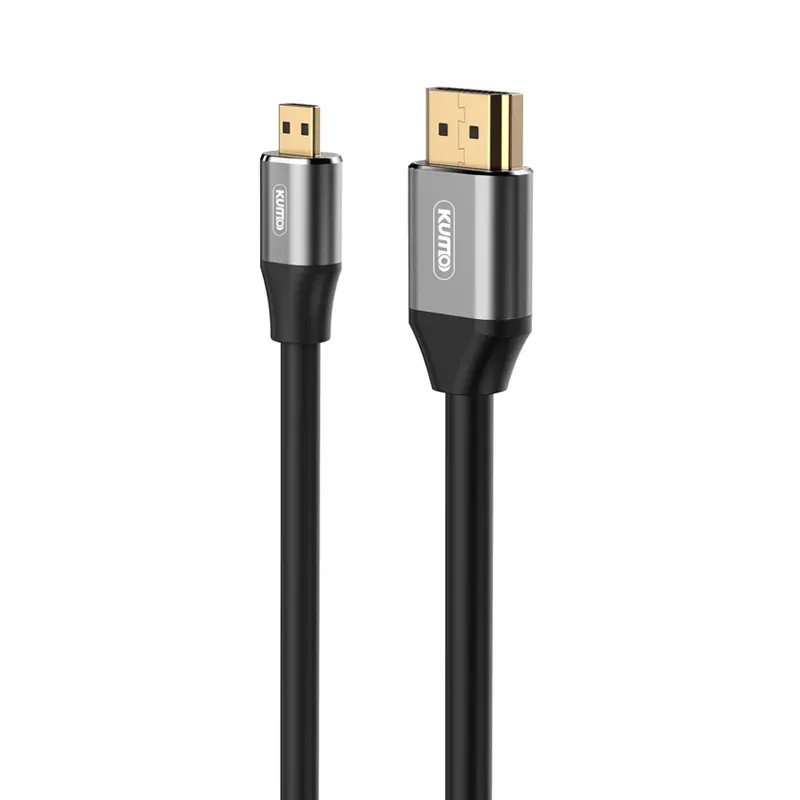 HDMI Conversion Cable
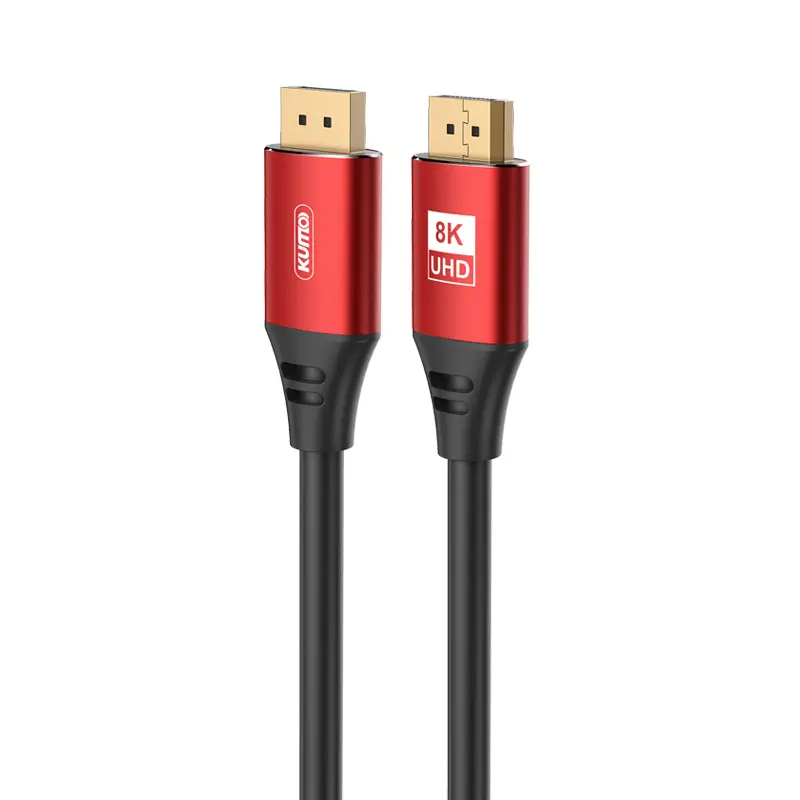 8K DisplayPort Cable
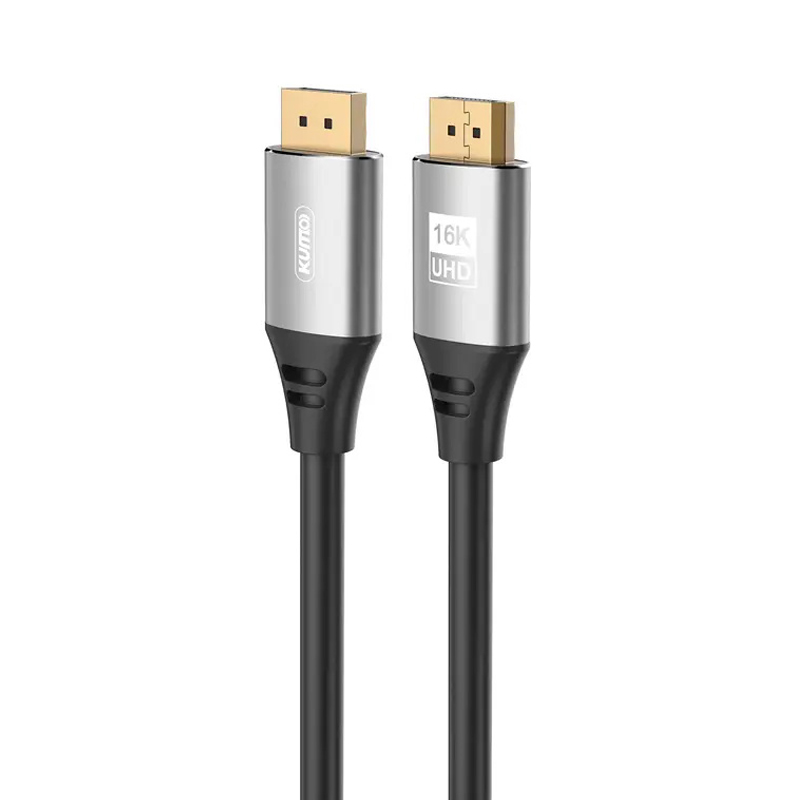 16K DisplayPort Cable
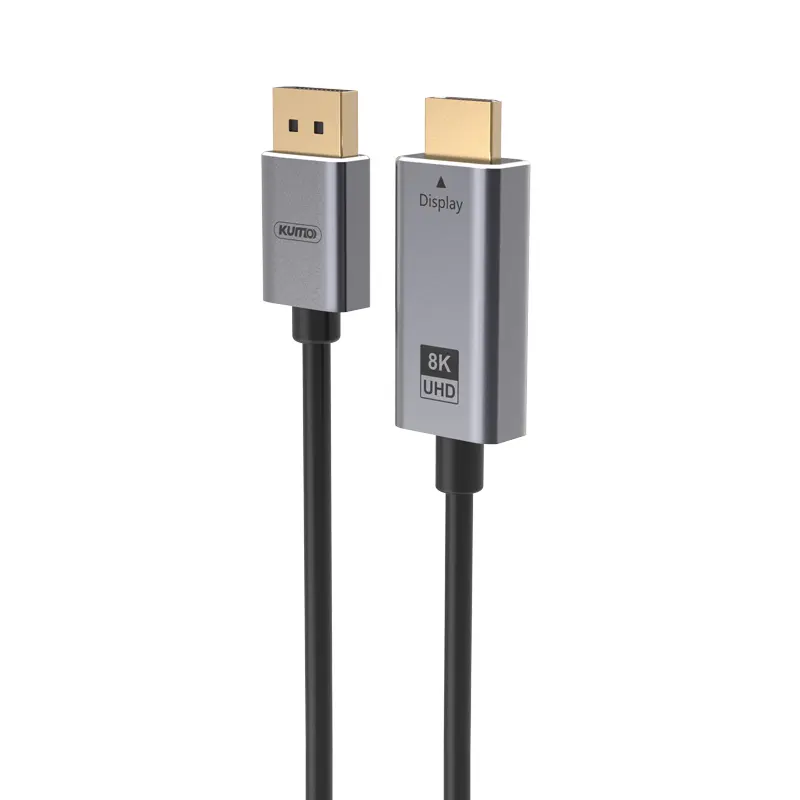 DisplayPort Conversion Cable
 XLR Cable
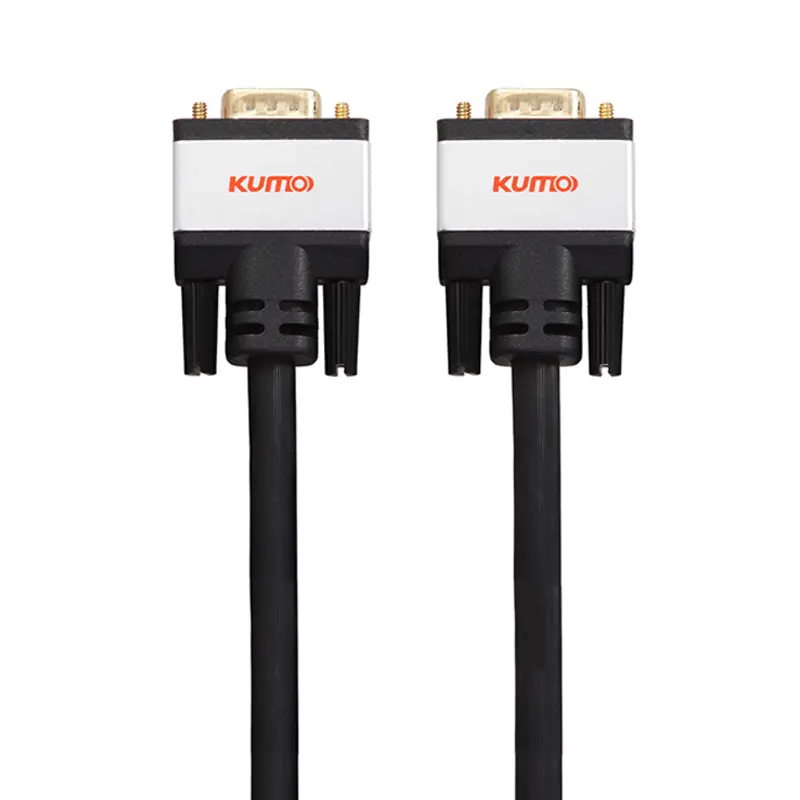 VGA Cable
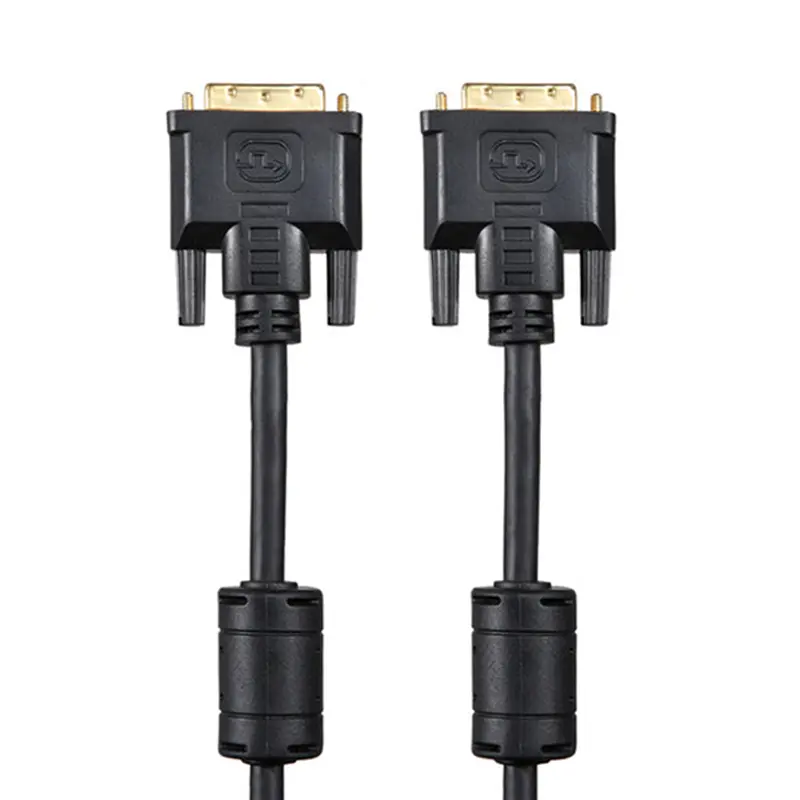 DVI Cable
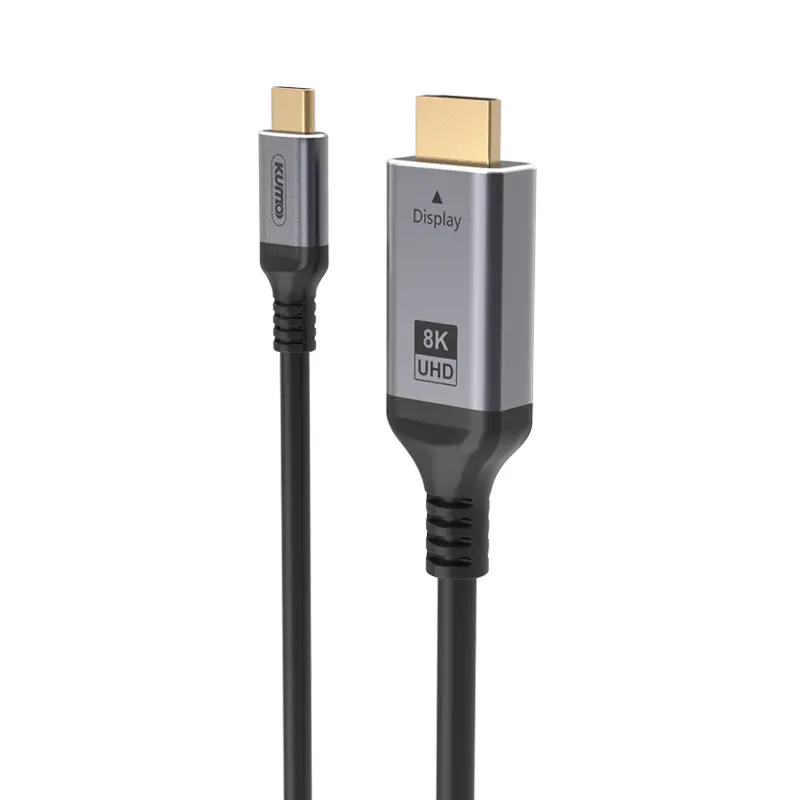 Type C To HDMI
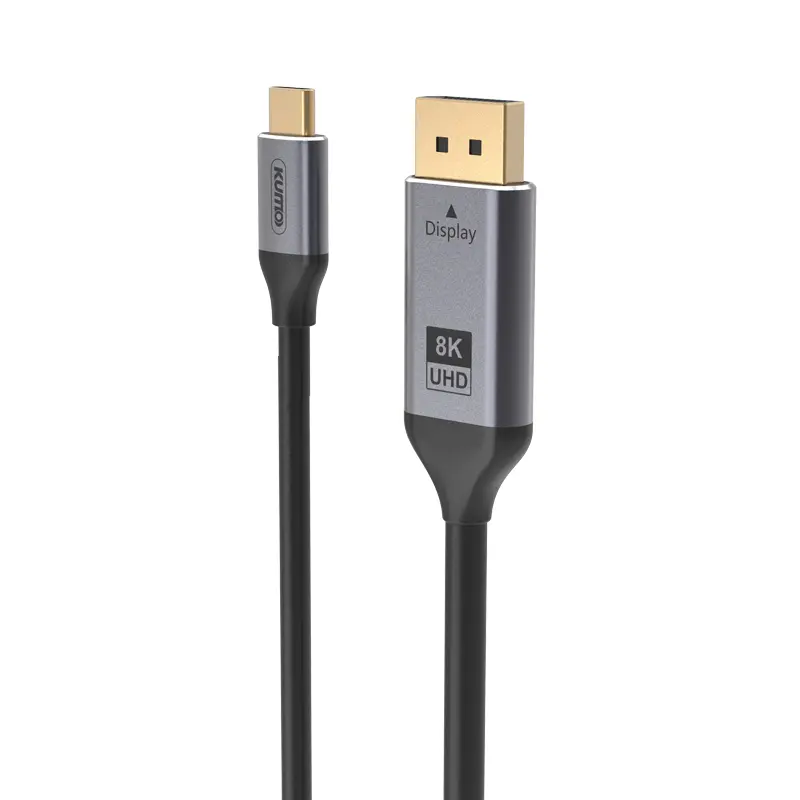 Type C to DP
 Type C to DVI
 Type C Adapter
 USB A to C Cable
 USB C to C Cable
 Micro USB Cable
 USB4 Cable