Why Do You Need a USB Hub for Your Mobile Phone?
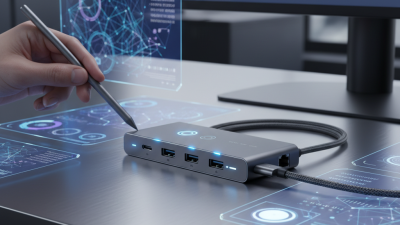
In today’s digital world, the use of a USB hub for mobile phone has become essential. Mobile phones are not just communication devices; they serve as tools for work, entertainment, and creativity. However, limited ports on smartphones can hinder functionality. That’s where a USB hub comes into play. It allows you to connect multiple devices like chargers, keyboards, or external storage, enhancing your mobile experience.
Imagine you’re working on a presentation while your phone is charging. Without a USB hub, you may struggle with battery life or connectivity. A USB hub for mobile phone solves this problem effortlessly. It provides a simple solution to manage multiple connections at once. However, it's crucial to choose a reliable model. Poor-quality hubs can lead to frustration and even damage your devices. Reflecting on this, some users might overlook compatibility, which can also be problematic.
Using a USB hub requires mindfulness. Not every hub supports all devices. Therefore, research is key to finding the right one. The convenience of a USB hub for mobile phone is undeniable, but understanding its limits is equally important.
What is a USB Hub and How Does It Work with Mobile Phones?
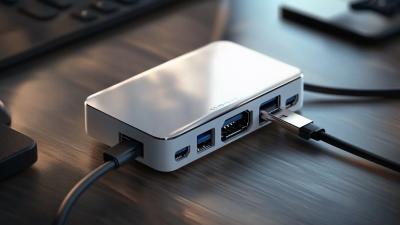
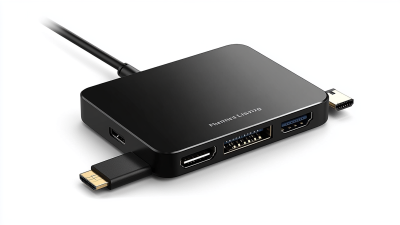
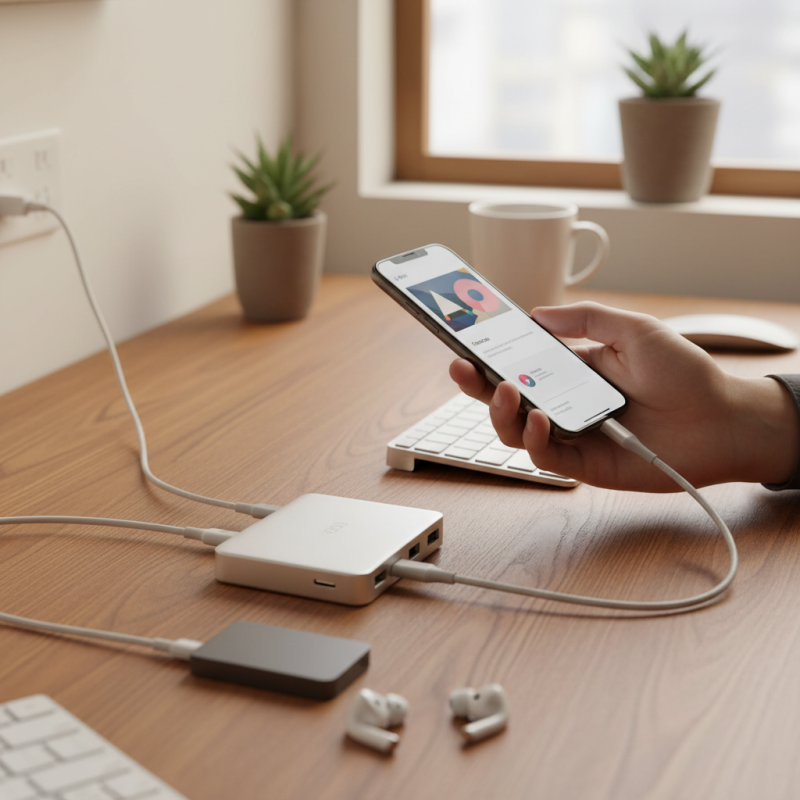
A USB hub is a device that expands a single USB port into multiple ports. This allows you to connect various devices to your mobile phone simultaneously. The beauty of a USB hub lies in its versatility. You can connect a keyboard, mouse, and external storage without hassle. It’s convenient for multitasking on the go.
When using a USB hub with your mobile phone, keep in mind that not all hubs are created equal. Some may drain battery quickly. Others could have compatibility issues. Make sure to choose a hub that meets your needs. Sometimes it might be better to connect devices separately due to these limitations.
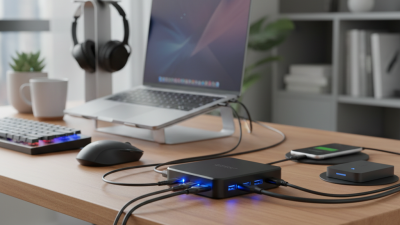
Using a USB hub can enhance productivity. Imagine editing documents while listening to music and transferring files at the same time. However, the experience can vary. You might encounter lag or disconnections. These issues prompt you to think about what works best for you. A USB hub can be a powerful tool, but it requires careful consideration to truly benefit from it.
The Different Types of USB Hubs Available for Mobile Devices
Mobile devices have transformed our daily routines. As more people rely on their smartphones for work and entertainment, the need for USB hubs has grown. Here's a look at the different types of USB hubs available for mobile devices.
There are powered and unpowered USB hubs. Powered hubs come with their own power sources. They can charge multiple devices simultaneously. This is useful when you’re on the go. Unpowered hubs are portable and lightweight. They draw power from your mobile device. This makes them convenient, but they can’t charge multiple devices at once. According to industry reports, powered hubs are preferred by frequent travelers for flexibility.
Tips: When choosing a hub, consider your needs. If you often connect multiple devices, a powered hub is ideal. However, for occasional use, an unpowered hub suffices. Always check compatibility with your device. Not all hubs work with every mobile phone.
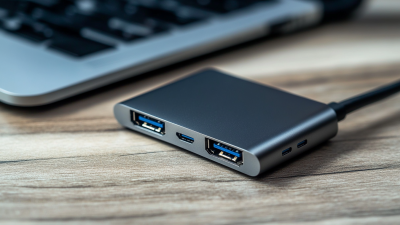
USB-C hubs have surged in popularity. They offer faster data transfer and charging. Their compact design makes them easy to carry. However, some models may have limited ports. Review product specifications carefully before purchasing. In a digital age, having the right hub is essential—but always weigh your options.
Benefits of Using a USB Hub with Your Smartphone
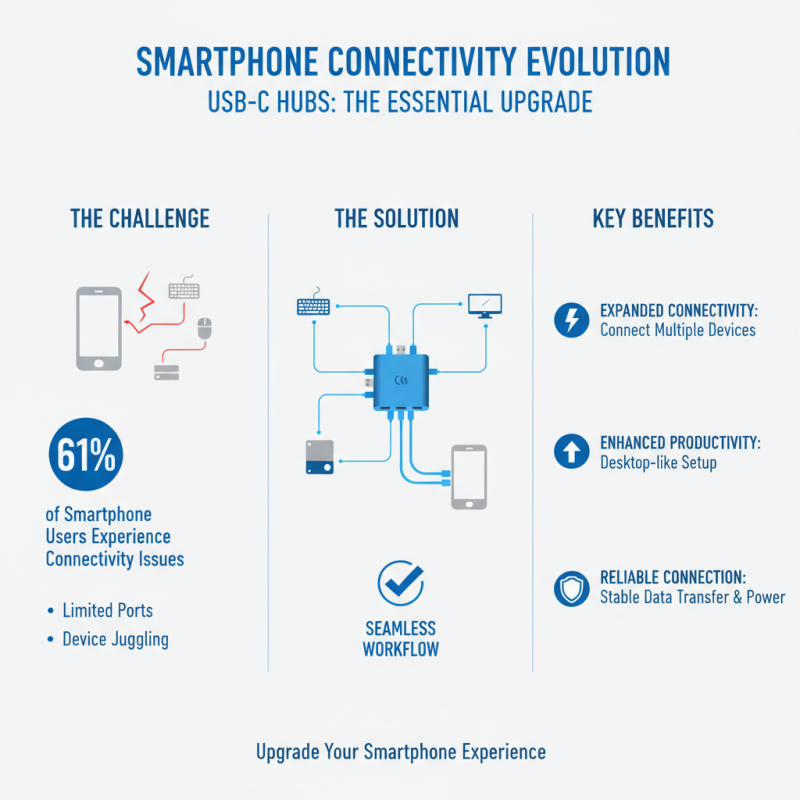
As mobile technology evolves, many users find USB hubs essential for enhancing their smartphone experience. A recent report states that about 61% of smartphone users experience connectivity issues. This often happens when trying to connect multiple devices, like keyboards, mice, or external storage. A USB hub addresses these challenges efficiently, creating a seamless workflow.
Moreover, using a USB hub increases productivity. Studies show that having multiple ports allows users to multitask better. For instance, with a USB hub, you can charge your phone while transferring files simultaneously. This capability is invaluable, especially for professionals on the go. However, some users may overlook the importance of speed. Not all USB hubs support high-speed data transfer. This can lead to frustration when time is of the essence.
Additionally, the portability of a USB hub is a real advantage. Many users appreciate that it easily fits into bags. Yet, some might hesitate to invest in a hub due to concerns about added bulk. Finding the right balance between functionality and portability can be challenging. But as more people rely on mobile devices for diverse tasks, a good USB hub becomes increasingly relevant to streamline everyday challenges.
Common Use Cases for USB Hubs in Mobile Phone Usage
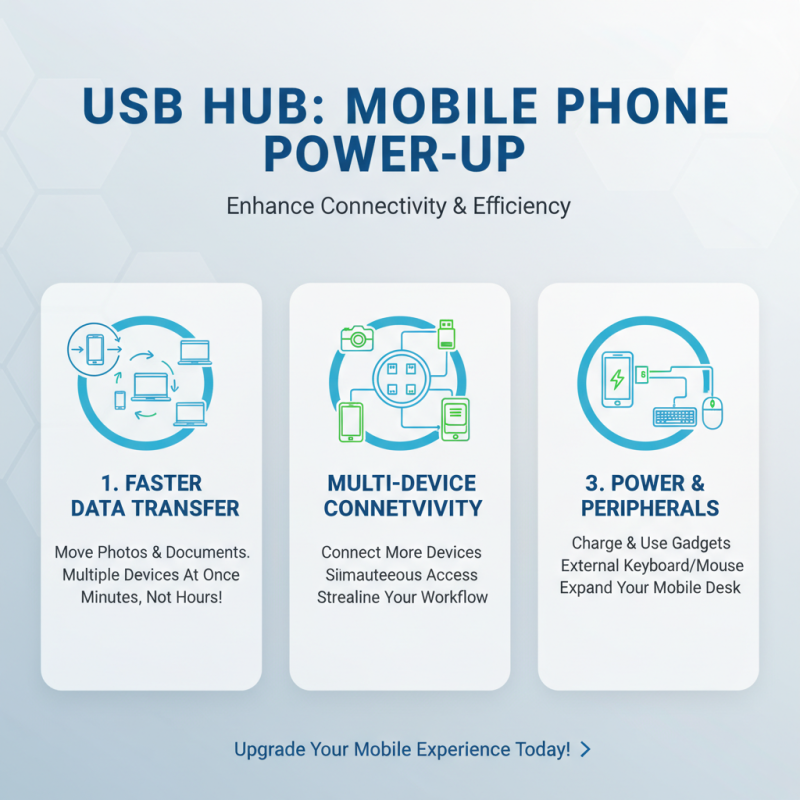
In today's connected world, a USB hub can enhance your mobile phone experience significantly. One common use case is data transfer. Whether you need to move photos or documents, a USB hub allows multiple devices to connect at once. This makes transfers quicker and more efficient. Imagine transferring an entire album of photos in just moments rather than hours.
Another area to consider is charging multiple devices simultaneously. A USB hub can charge your phone, tablet, and wearable device all at once. This is especially helpful during travel. It prevents the need for multiple adapters and outlets, which can be quite an inconvenience. However, it’s important to remember that not all hubs provide the same charging speed. You might end up waiting longer than expected if the hub is underpowered.
It’s also worth noting that not all mobile phones support USB hubs effectively. Sometimes connections may drop, or devices may not be recognized at all. This can lead to frustration. Testing different hubs can be necessary until you find one that fits your needs. Each of these scenarios highlights how USB hubs are not just a convenience, but sometimes a source of unexpected challenges as well.
Tips for Choosing the Right USB Hub for Your Needs
Choosing the right USB hub for your mobile phone can be challenging. There are many factors to consider. First, look at the number of ports. You may need multiple connections for various devices. If you use your phone for work and play, a hub with several ports is smart.
Next, think about the data transfer speed. A high-speed hub can make charging and syncing faster. However, some hubs may not deliver on their promises. Check reviews and do your homework before buying. Look for reliable options that don't compromise on quality.
Another aspect to consider is portability. If you travel often, a compact hub is essential. But a smaller size may mean fewer ports. Balance is key here. You might also overlook the design - a sturdy hub will last longer. Examine the materials used in construction. A minor detail, yet it matters in everyday use.
Why Do You Need a USB Hub for Your Mobile Phone?
| Feature |
Description |
Benefits |
| Multiple Ports |
Allows connection of multiple devices such as chargers, keyboards, and mice. |
Increased productivity by using several devices simultaneously. |
| Data Transfer |
Facilitates fast data transfer between multiple devices. |
Saves time when transferring files or backing up data. |
| Power Supply |
Provides additional power outlets for charging devices. |
Avoids battery drain and ensures devices stay charged during use. |
| Portability |
Compact design for easy transportation. |
Convenient for travel or on-the-go use. |
| Compatibility |
Works with various operating systems and devices. |
Versatile use with smartphones, tablets, and laptops. |

 USB C Docking & Hub
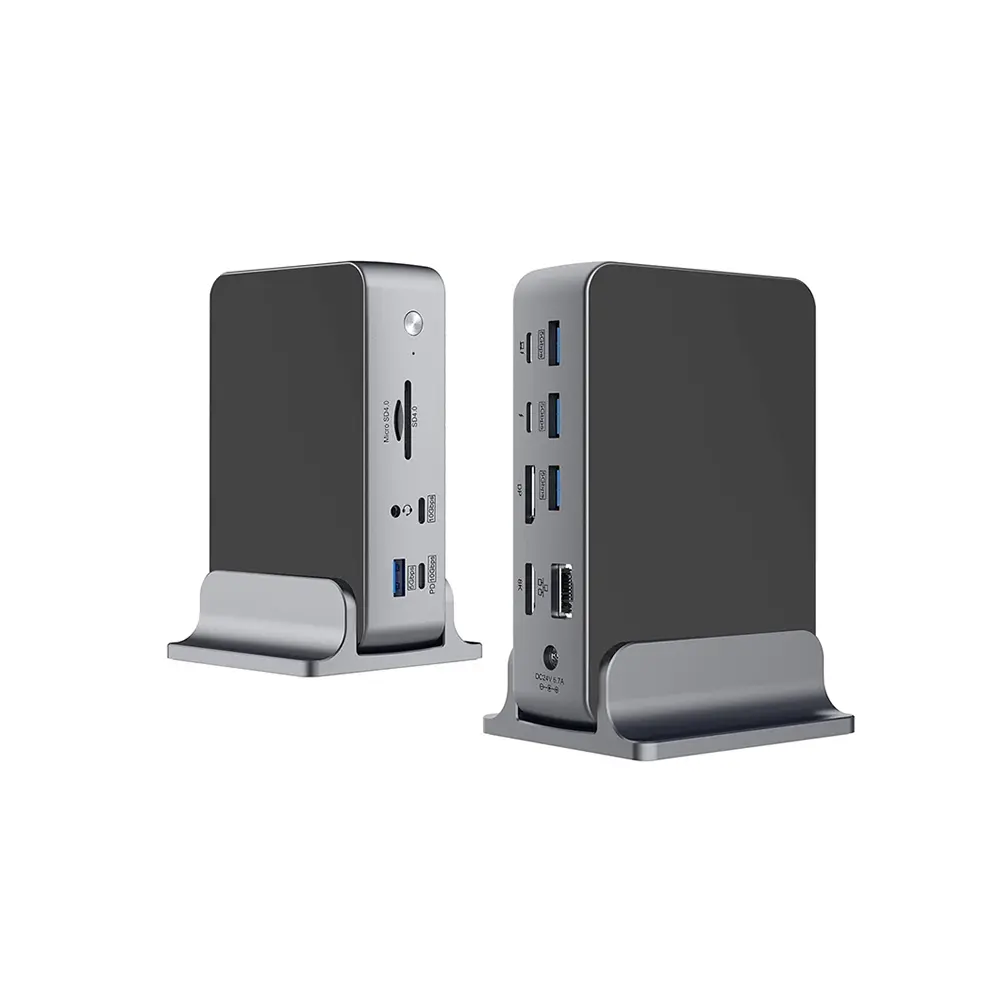 USB C Docking Station
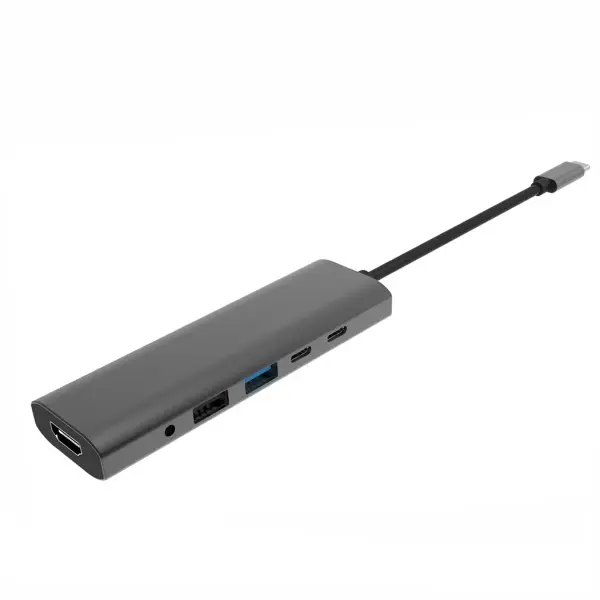 USB C Hub-H Series
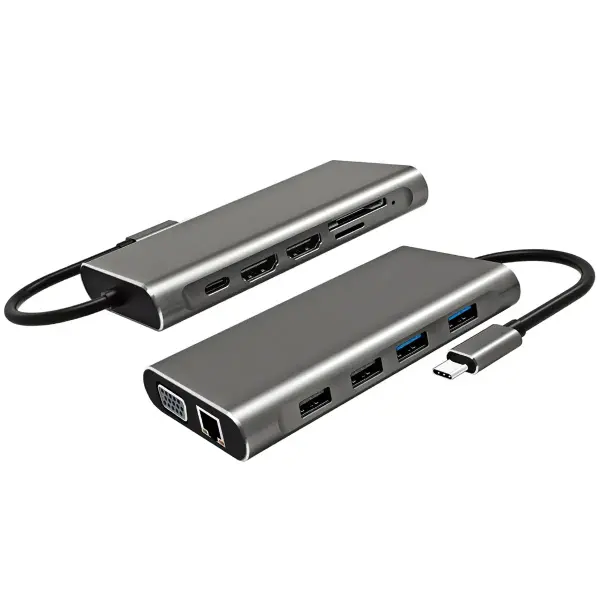 USB C Hub-H Series High End
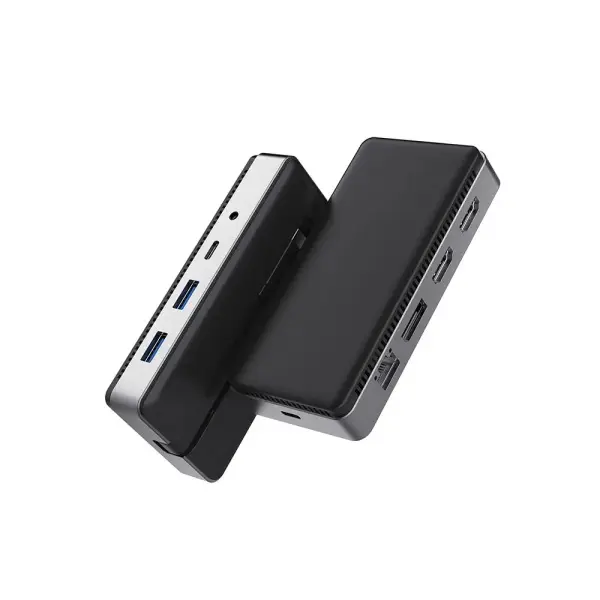 USB C Hub-X Series High End
 HDMI Cable
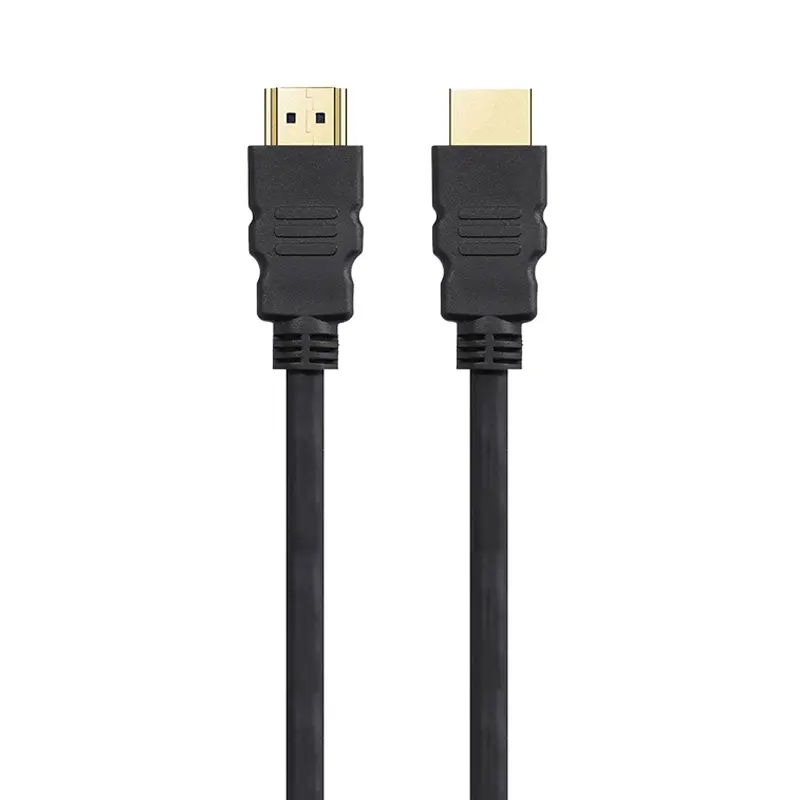 4K HDMI Cable
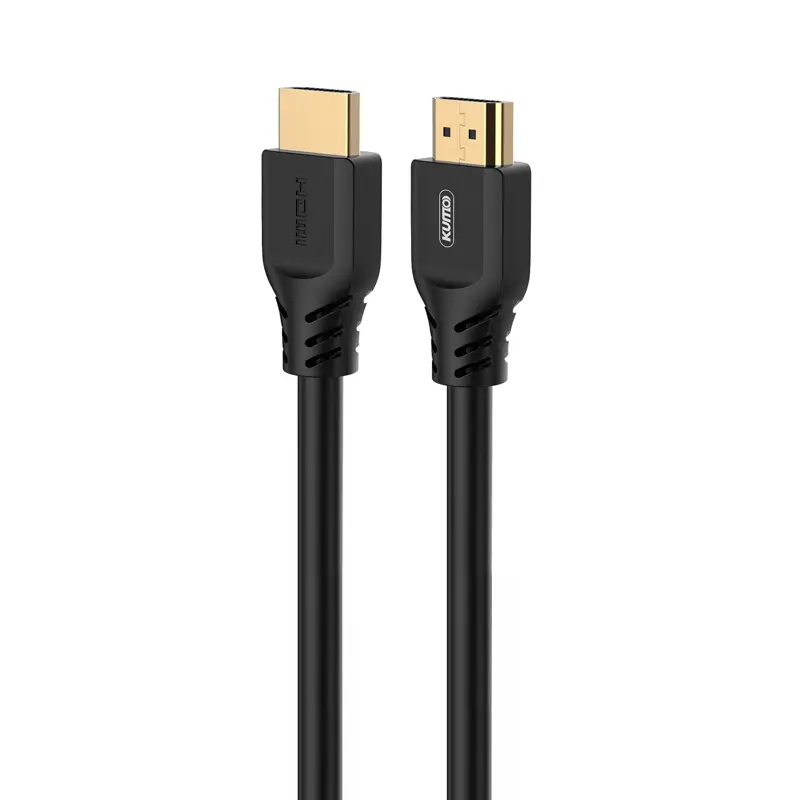 8K HDMI Cable
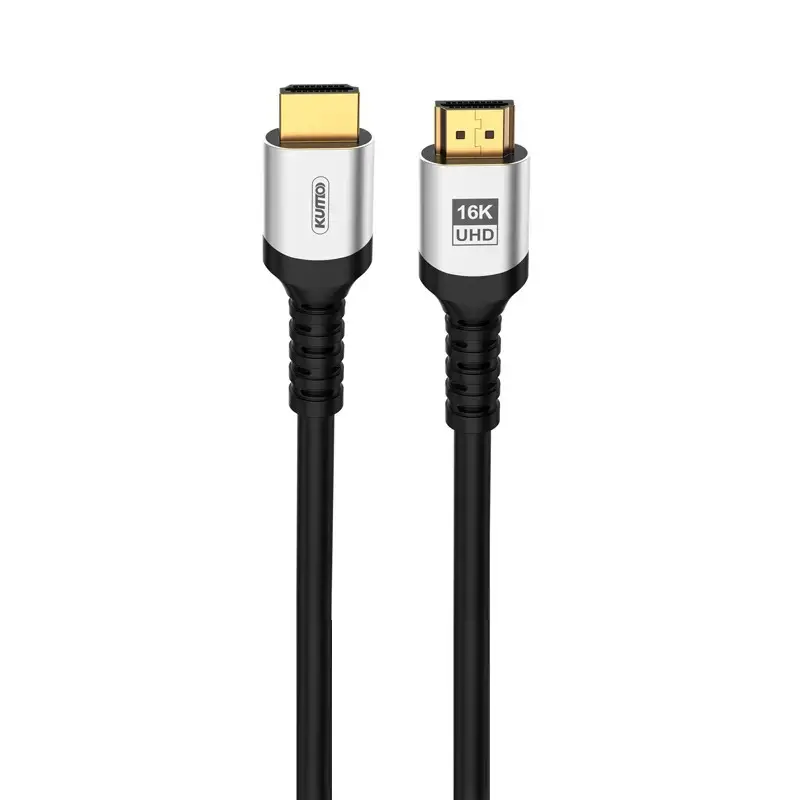 16K HDMI Cable
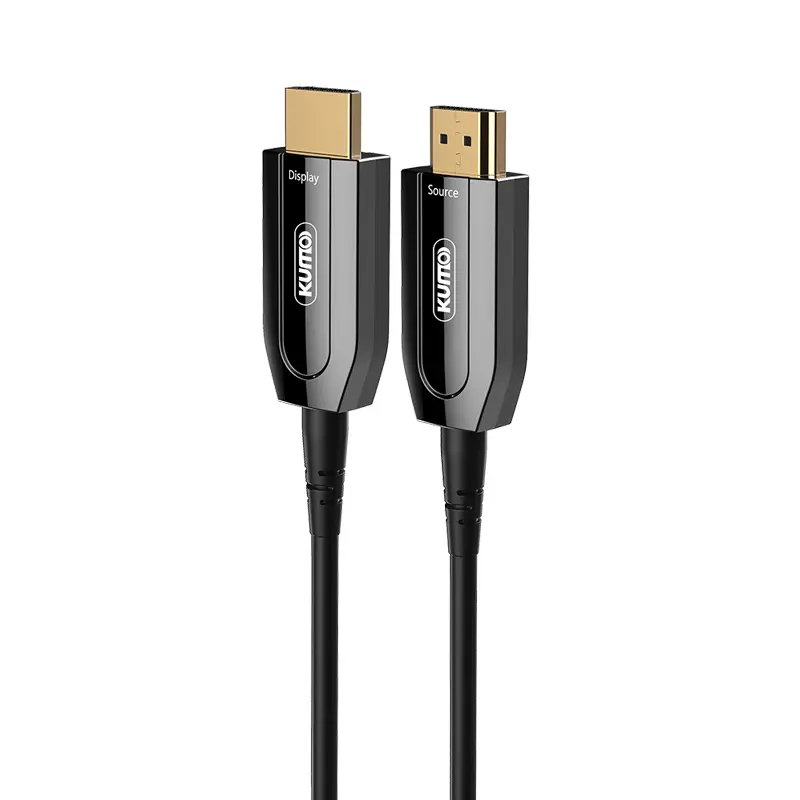 AOC HDMI Cable
 HDMI Conversion Cable
 8K DisplayPort Cable
 16K DisplayPort Cable
 DisplayPort Conversion Cable
 XLR Cable
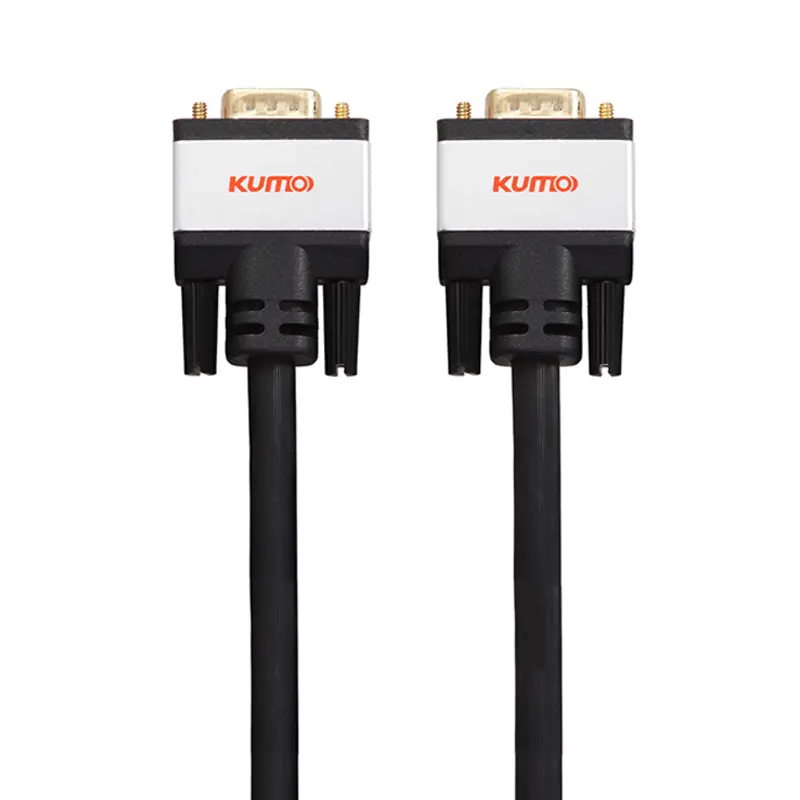 VGA Cable
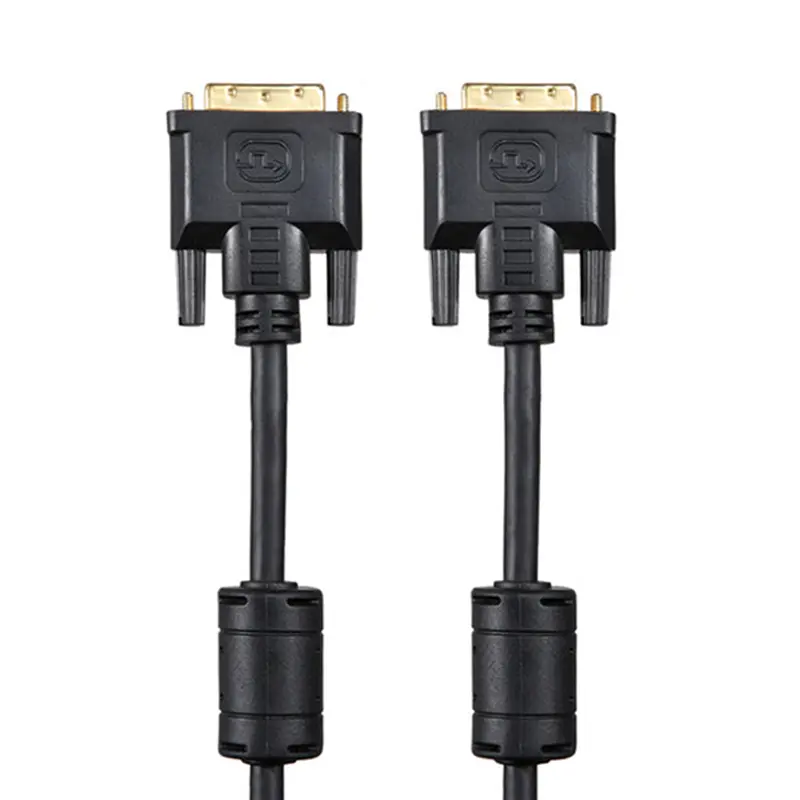 DVI Cable
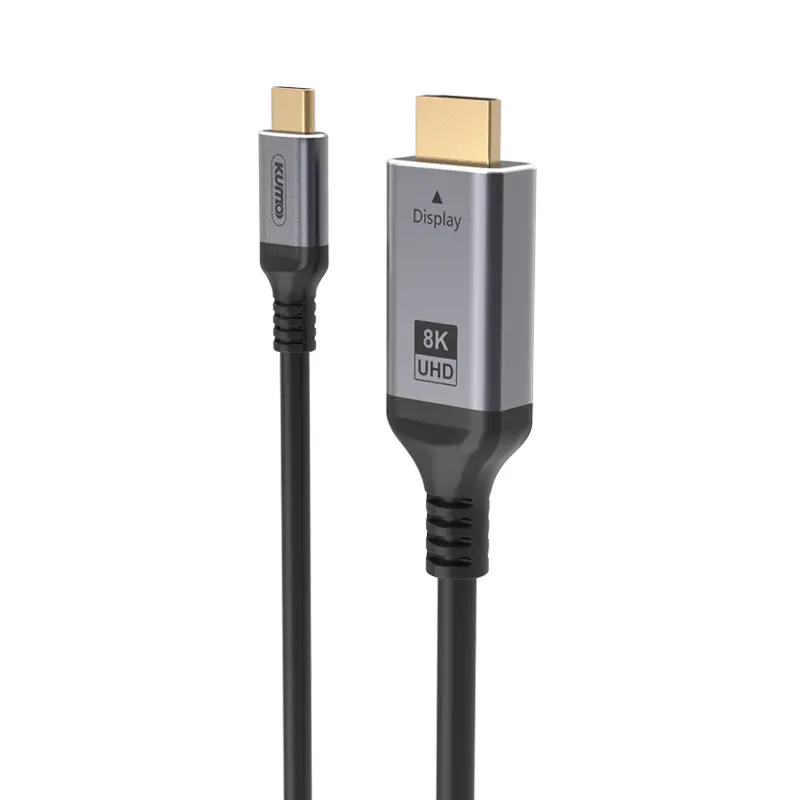 Type C To HDMI
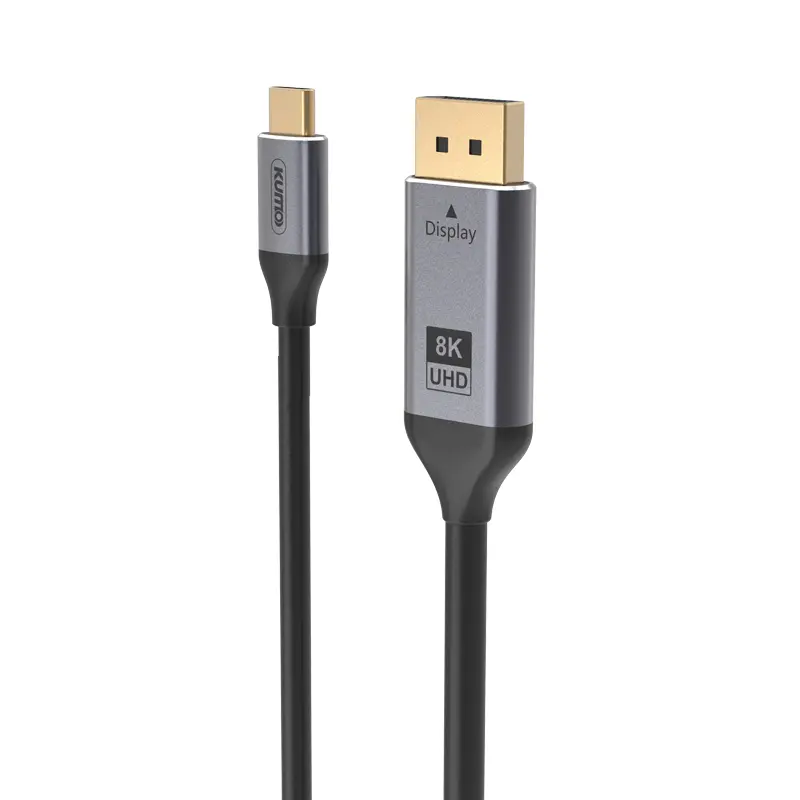 Type C to DP
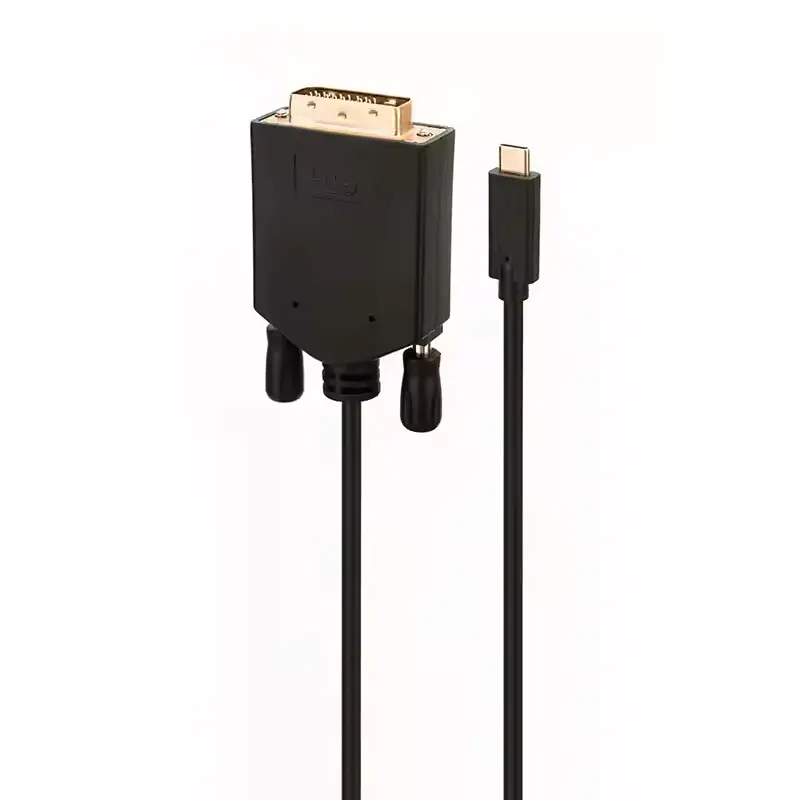 Type C to DVI
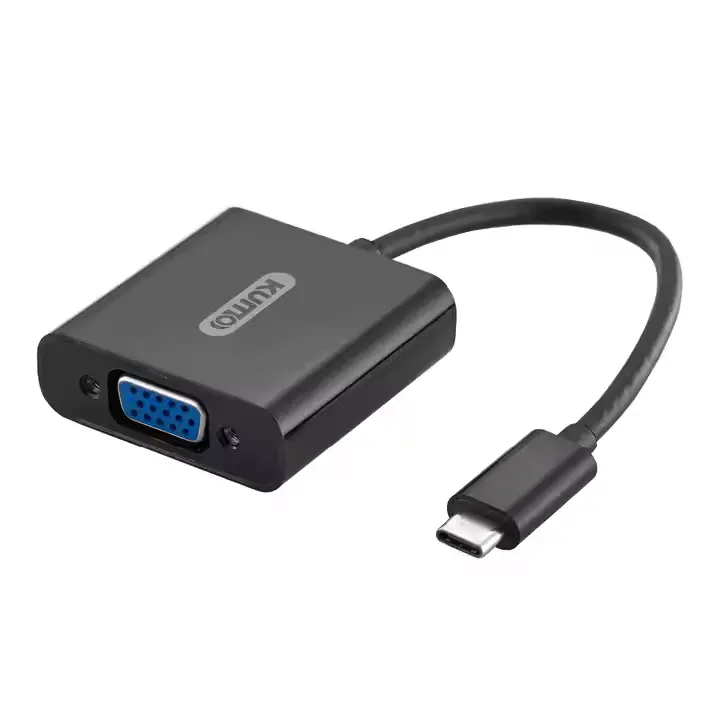 Type C Adapter
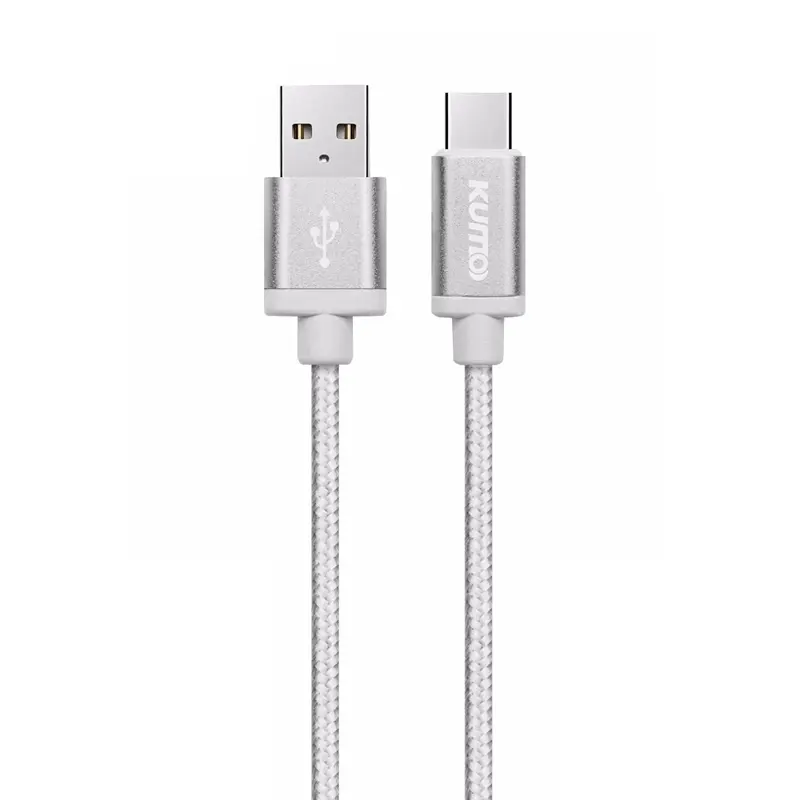 USB A to C Cable
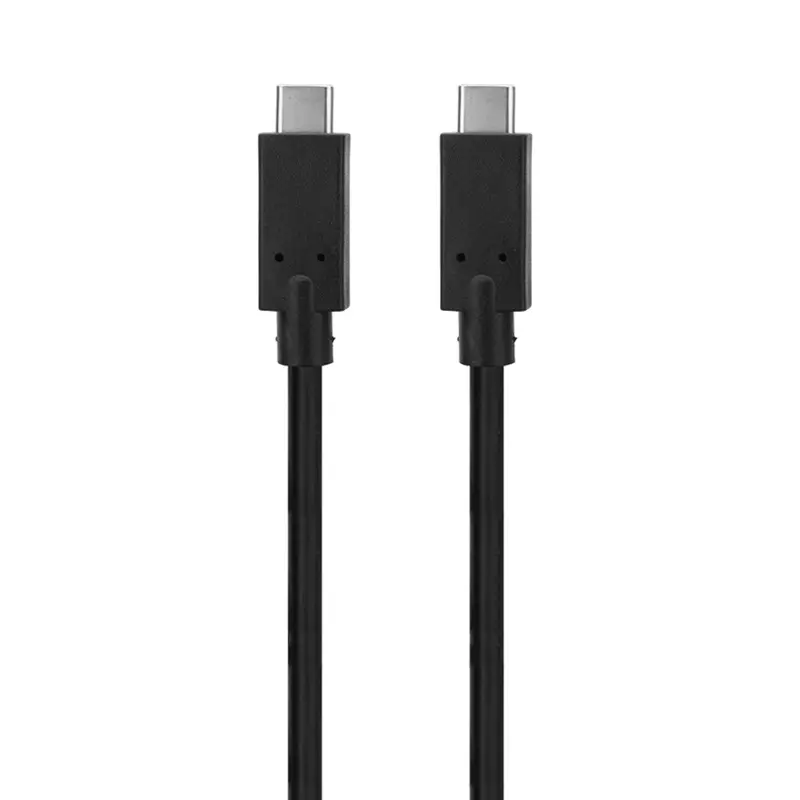 USB C to C Cable
 Micro USB Cable
 USB4 Cable