Top 10 Usb Docking Stations With Hdmi For Enhanced Productivity?
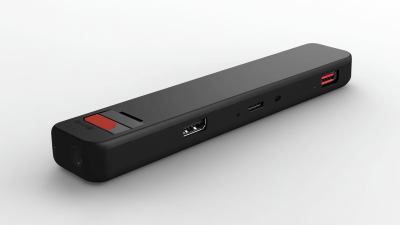
In today's fast-paced digital world, productivity is key. Many people rely on technology to enhance their work environment. An efficient solution for expanding connectivity is the USB Docking Station with HDMI. This device allows users to connect multiple peripherals easily. With HDMI support, it enables high-definition video output to larger displays, which is essential for multitasking.
Choosing the right docking station can be challenging. Options vary in features and specifications. Some may offer limited ports while others are packed with functionality. A reliable USB Docking Station with HDMI should cater to diverse needs. It's crucial to consider the compatibility and performance of each option. Users want a device that is not only functional but also easy to set up and use.
As we explore the top 10 USB docking stations with HDMI, it’s important to remember not all products are created equal. Some devices may promise high performance but fail in real-world applications. User reviews can provide insight into the reliability of each station. Investing in a quality docking station can greatly enhance productivity and efficiency in any workspace.
Top Features to Look for in HDMI USB Docking Stations
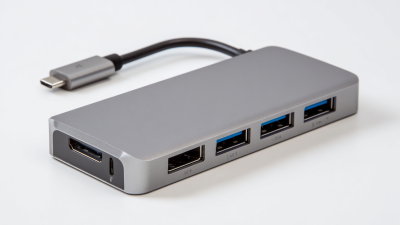
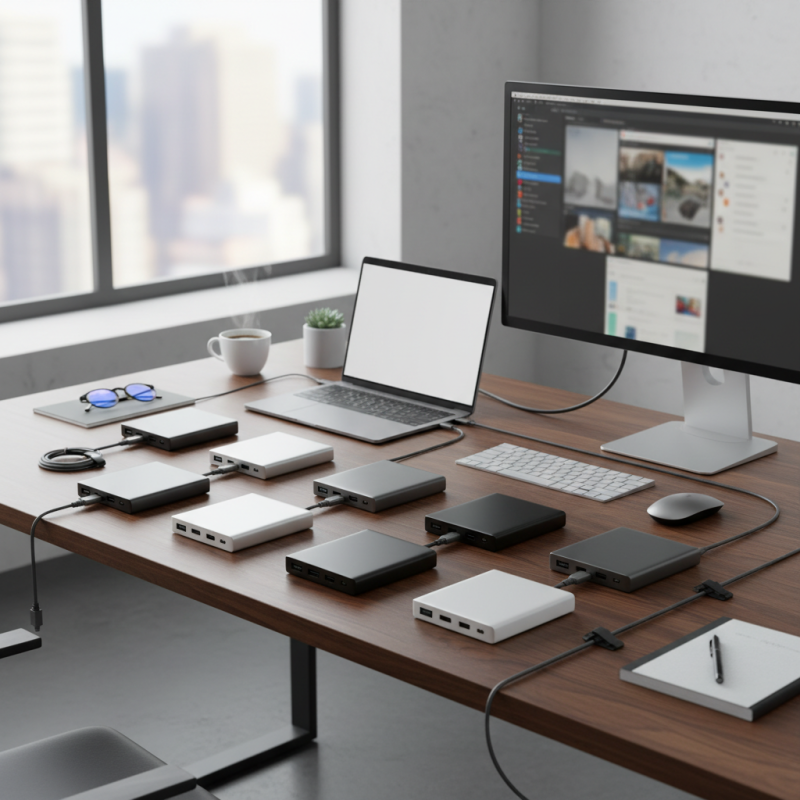
When selecting an HDMI USB docking station, it's crucial to consider several key features that enhance productivity. A reliable HDMI output is essential, allowing for multiple displays. Studies indicate that using dual monitors can increase productivity by up to 40%. The ability to connect various devices via USB is also vital. Look for docking stations with USB-C and USB-A ports to accommodate different gadgets seamlessly.
Compatibility is another important aspect. The right docking station should support different operating systems, including Windows and macOS. This ensures wider usability in diverse environments. Additionally, power delivery is a feature worth exploring. Many docking stations can deliver up to 100W, which means quicker charging for laptops and devices. Having this function reduces cable clutter, making your workspace neater.
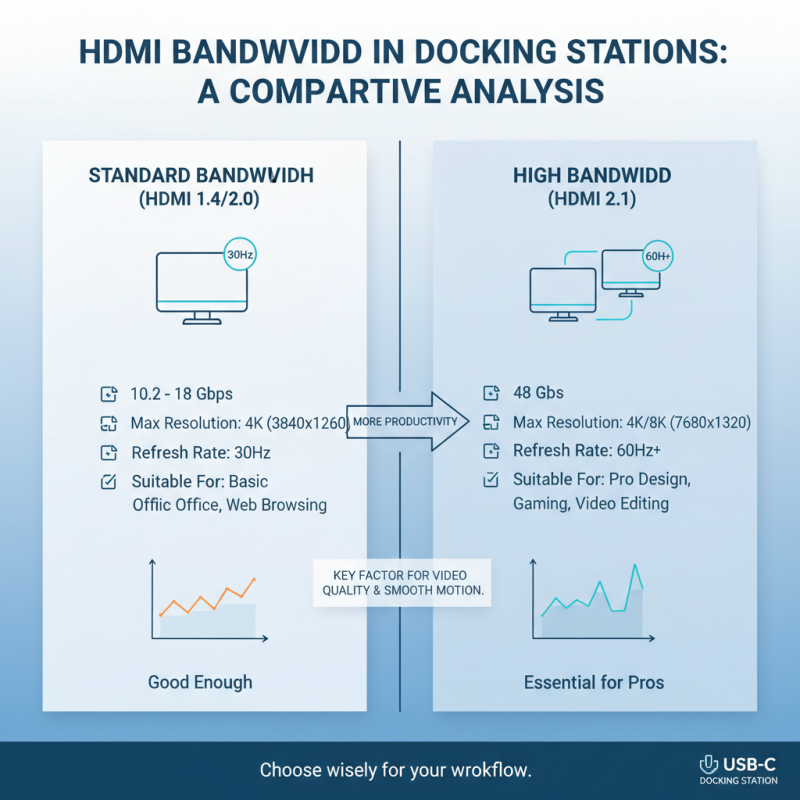
Data transfer speeds matter. Many docking stations boast transfer rates of up to 10 Gbps. This speed is essential for professionals dealing with large files daily. Finally, ergonomic design is often overlooked but significant. A well-designed docking station promotes better airflow and helps reduce overheating. While many products are available, not all meet these criteria effectively. Reflecting on these aspects can lead to smarter purchasing decisions.
Impact of USB Docking Stations on Multitasking Efficiency and Productivity
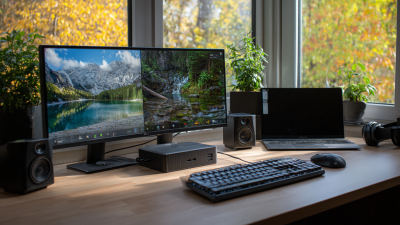
USB docking stations significantly enhance multitasking efficiency and productivity. They allow users to connect multiple peripherals with ease. With HDMI ports, you can link to monitors for a more extensive workspace. This setup simplifies the transition between tasks, as you can easily switch between multiple screens.
Tips: When setting up, consider your workspace layout. Optimize the placement of your docking station for easy access. Keep frequently used devices close to avoid unnecessary movements.
Moreover, many professionals suffer from cable clutter. A docking station helps address this issue. By consolidating connections, you create a cleaner workspace. It reduces distractions and helps you focus better. However, not all docking stations are created equal. Look for features that match your specific needs.
Tips: Assess your requirements before purchasing. Do you need multiple USB ports? What about charging capabilities? Make a list to ensure you choose wisely. Reflect on how each feature impacts your daily workflow. It can significantly affect your productivity levels.
User Satisfaction Ratings and Reviews of Leading HDMI Docking Stations
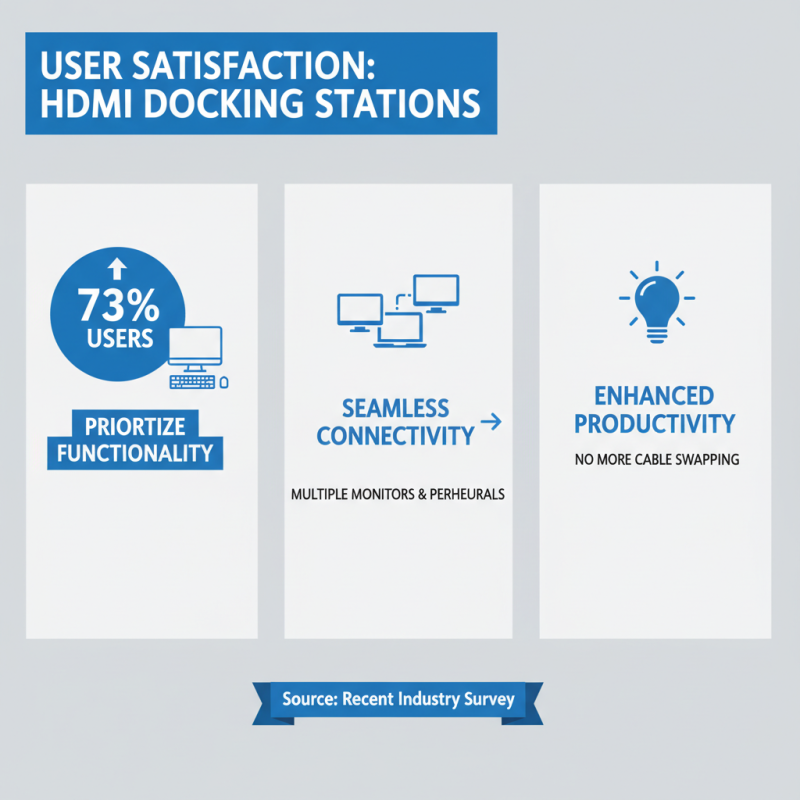
When exploring the landscape of HDMI docking stations, user satisfaction plays a critical role. A recent survey revealed that 73% of users prioritize functionality when choosing a docking station. Many professionals lean towards devices that seamlessly connect multiple monitors and peripherals. Effective connectivity enhances productivity by eliminating the need to swap cables frequently.
According to a data report by the International Data Corporation, 66% of users expressed a strong preference for docking stations with HD resolution support. This feature notably impacts user experience, particularly for those in design and content creation fields. However, some users report inconsistent performance with specific models. A perceived lack of reliability can lead to frustration, highlighting the necessity for thorough research before a purchase.
Reviews from various tech forums indicate that 58% of users experienced minor issues with driver compatibility. While many dock seamlessly, a percentage encounter hiccups on different operating systems. This feedback illustrates that, despite the promising technology, there remains a need for improvements in user experience across the board.
Cost-Benefit Analysis of Investing in High-Quality USB Docking Solutions
Investing in high-quality USB docking stations can greatly enhance your productivity. Such devices offer numerous advantages, enabling efficient multitasking and seamless connectivity. When connecting multiple monitors through HDMI, you can expand your workspace effectively. This setup allows for clearer visuals and improved focus on tasks. An organized workspace can lead to enhanced creativity.
However, the cost of premium docking stations often raises questions. A higher price tag may seem daunting. Still, the long-term benefits often outweigh initial expenses. Reliable data transfer and high-definition output can save time and frustration. Cheaper models often compromise quality, leading to frequent replacements. Investing wisely in durable solutions usually pays off through increased efficiency.
Consider the user experience as well. Not all docking stations offer the same functionality. Some may lack necessary ports or efficient power delivery. This mismatch can limit your setup's potential. It is essential to assess your specific needs before making a purchase. Researching and comparing features will help you find the best fit for your workflow. Ultimately, investing in a good USB docking solution can lead to smoother operations and a better work environment.

 USB C Docking & Hub
 USB C Docking Station
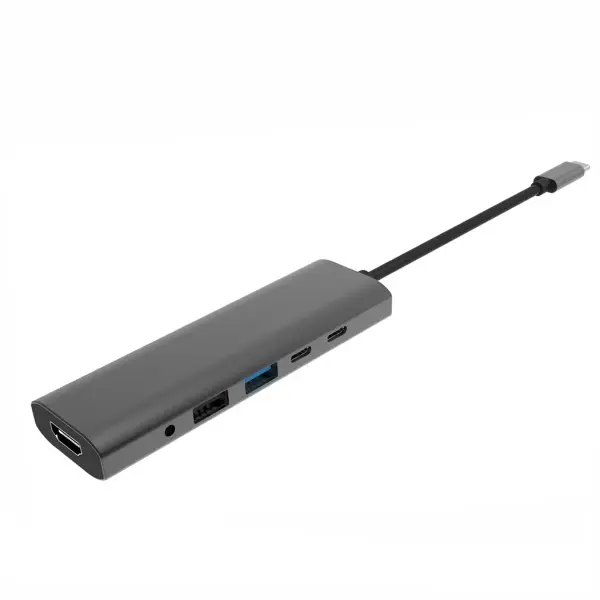 USB C Hub-H Series
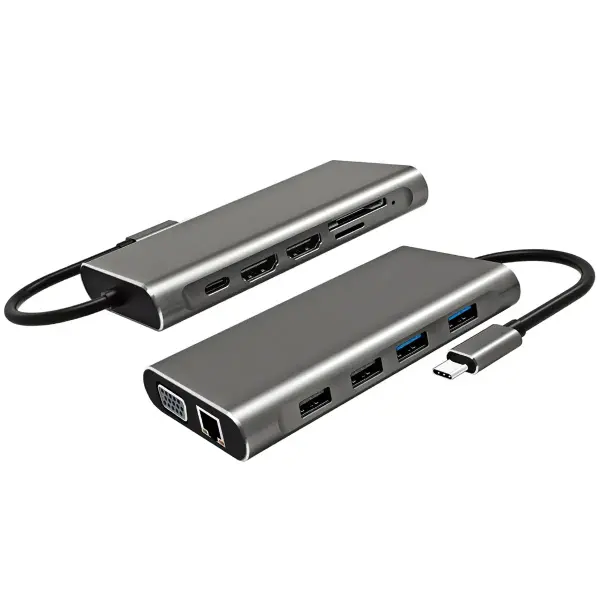 USB C Hub-H Series High End
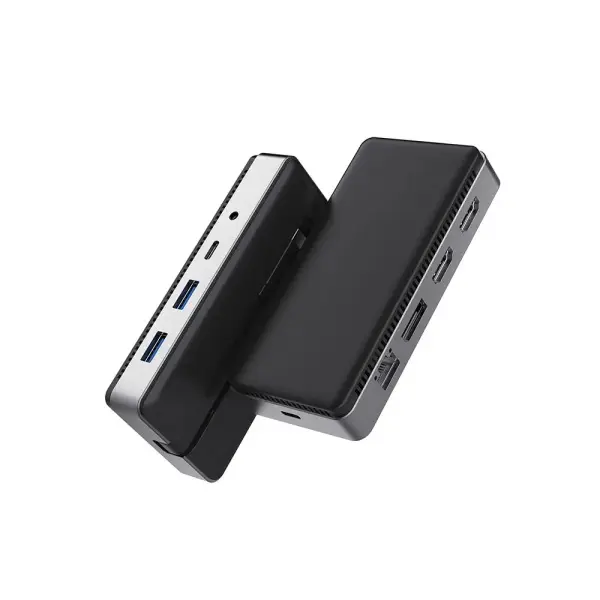 USB C Hub-X Series High End
 HDMI Cable
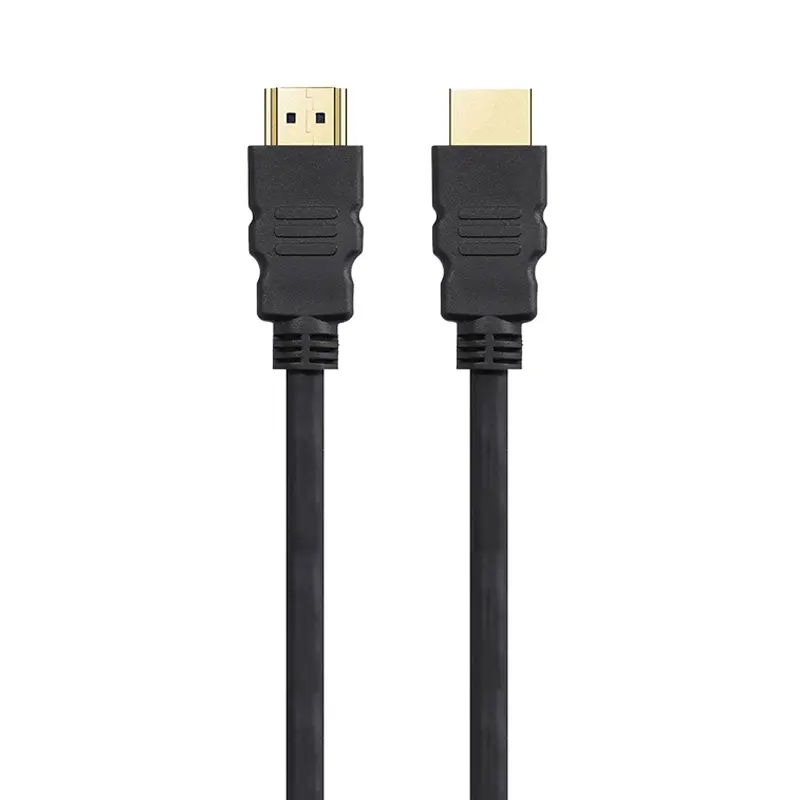 4K HDMI Cable
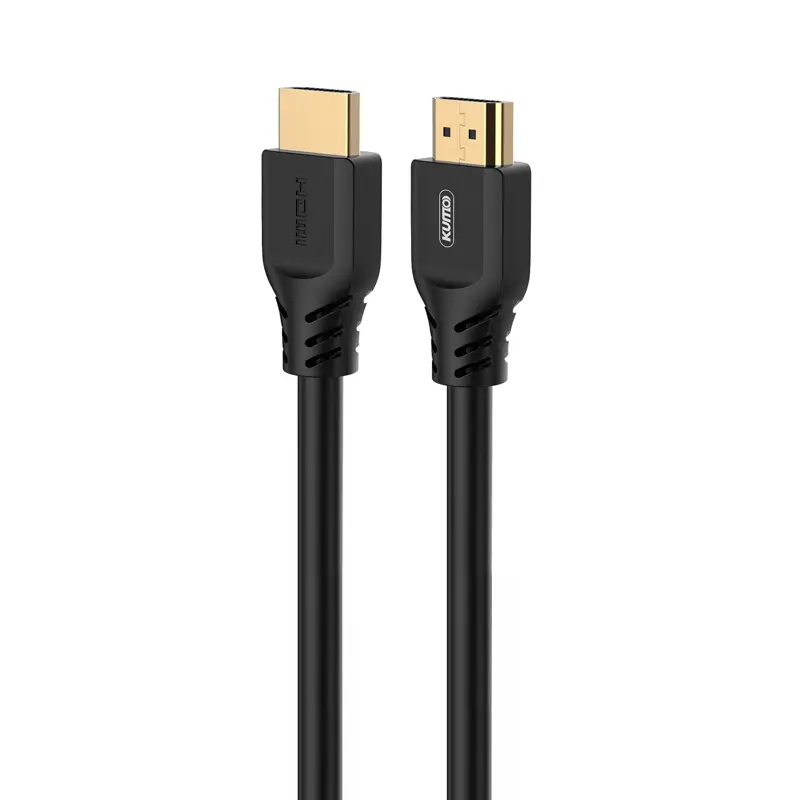 8K HDMI Cable
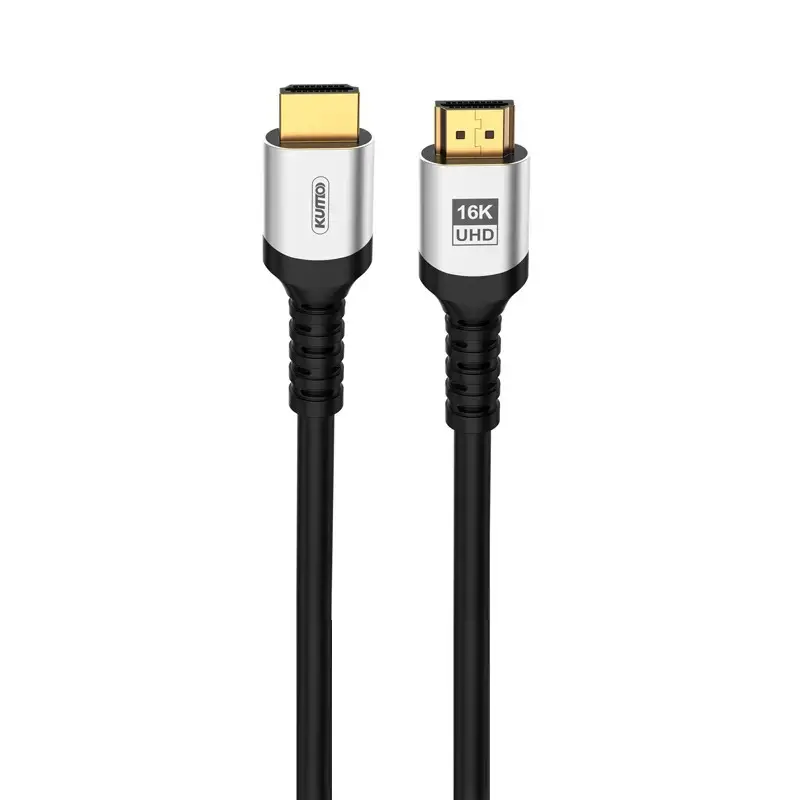 16K HDMI Cable
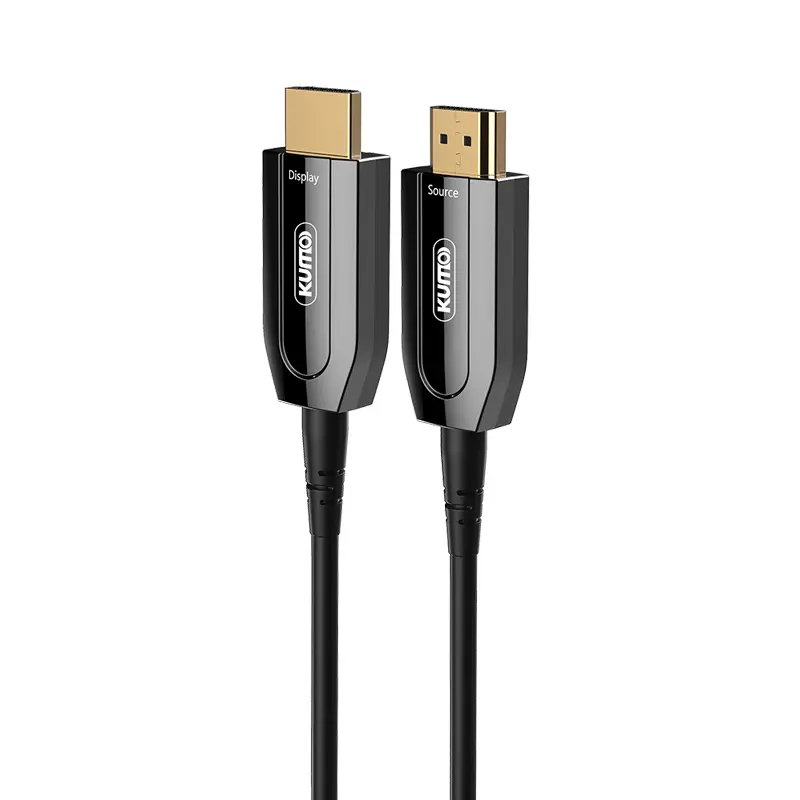 AOC HDMI Cable
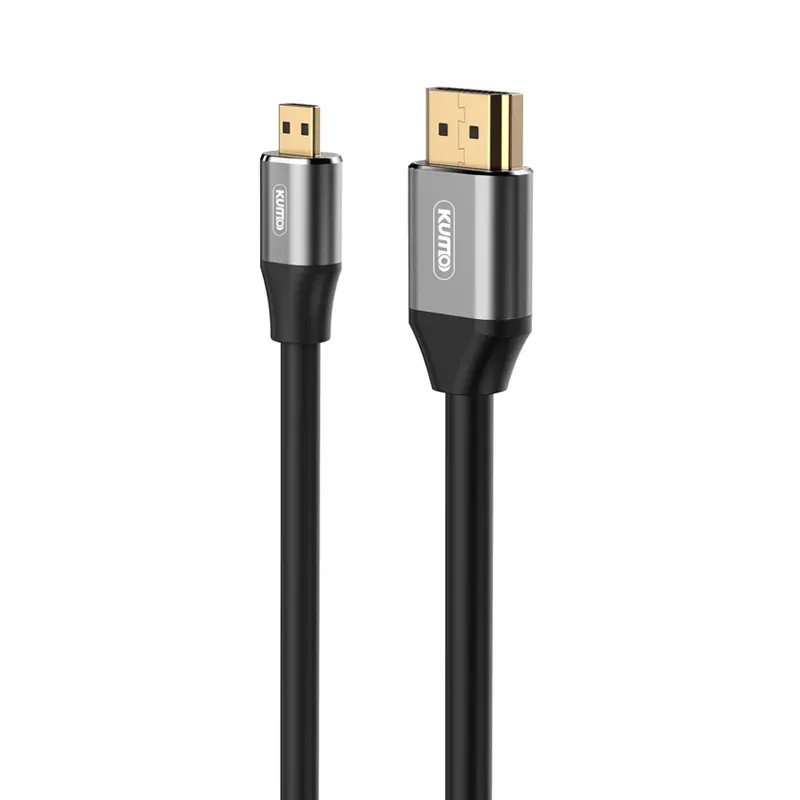 HDMI Conversion Cable
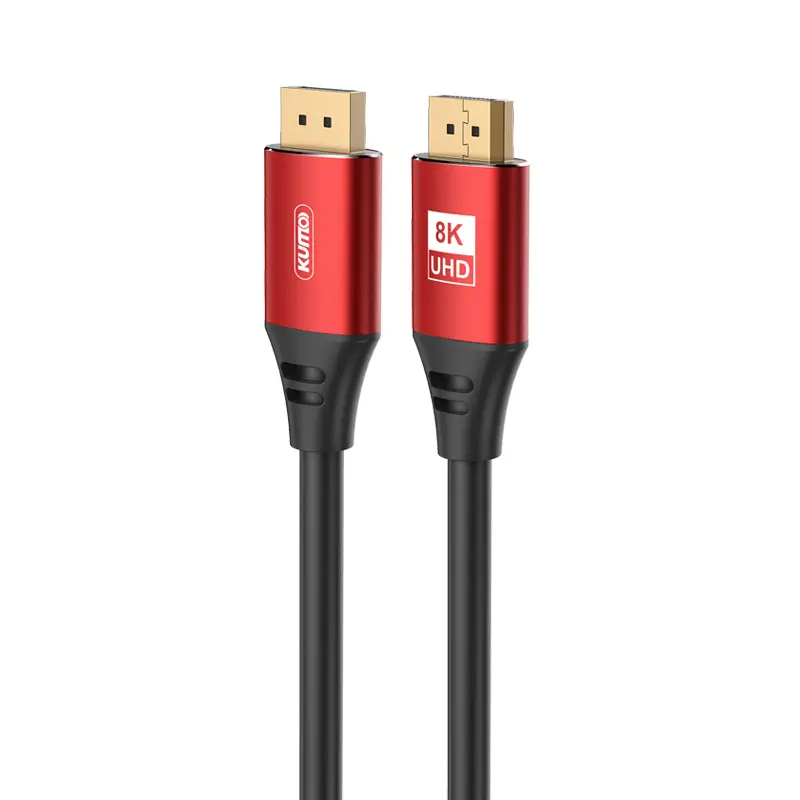 8K DisplayPort Cable
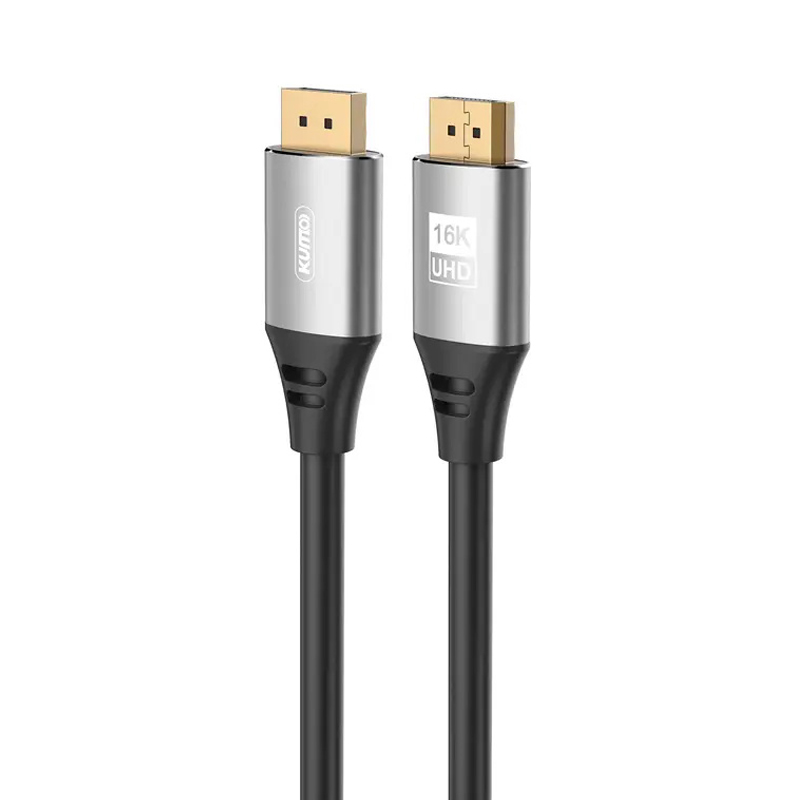 16K DisplayPort Cable
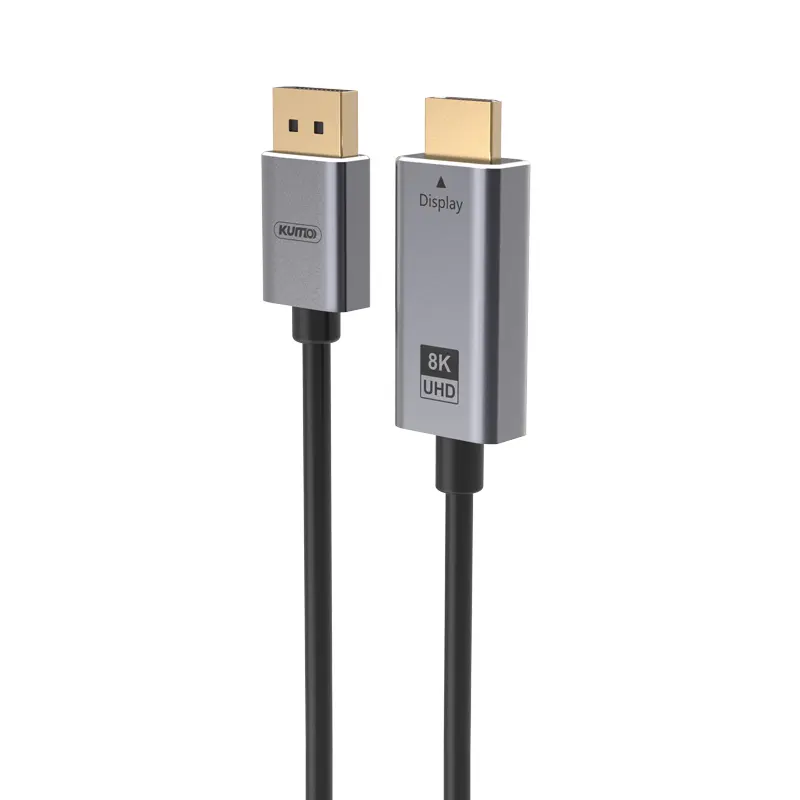 DisplayPort Conversion Cable
 XLR Cable
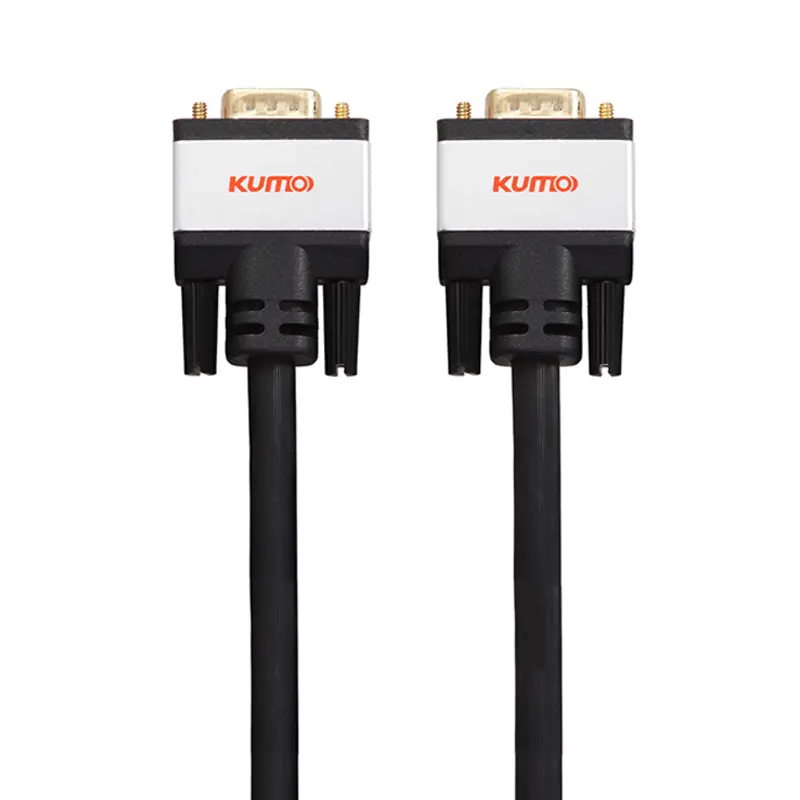 VGA Cable
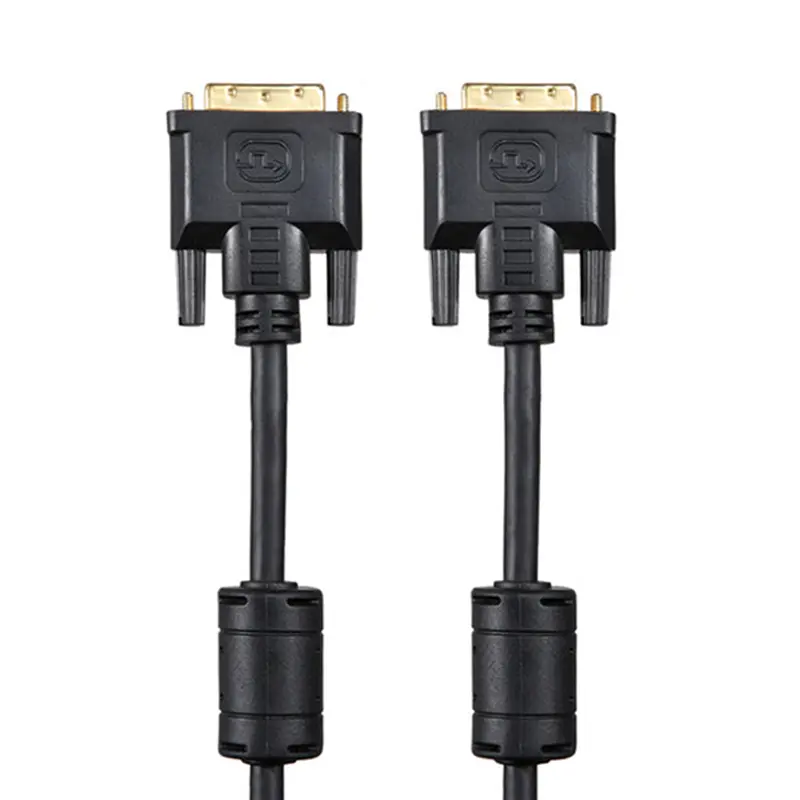 DVI Cable
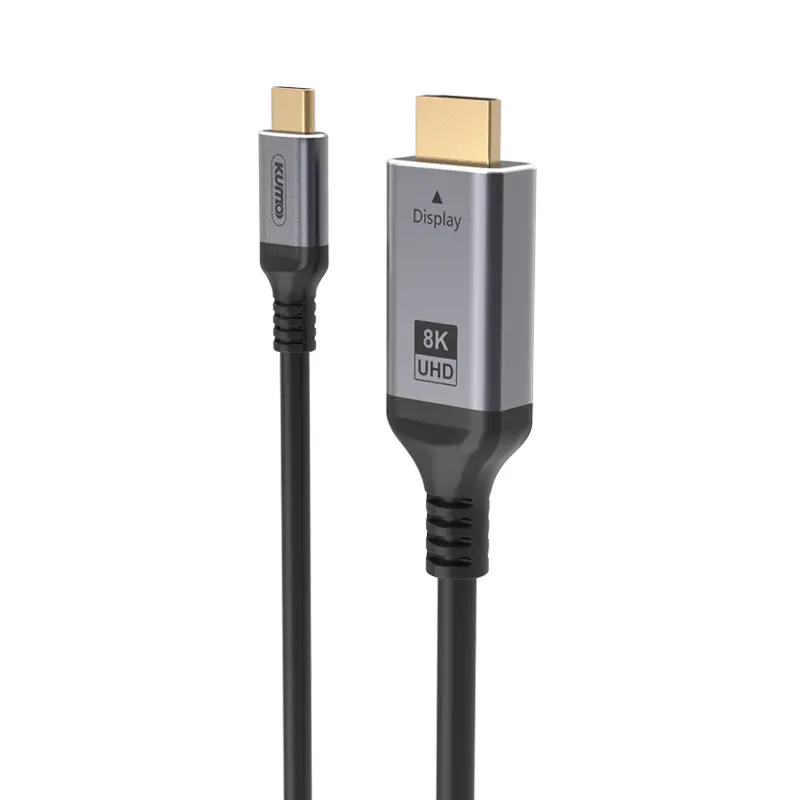 Type C To HDMI
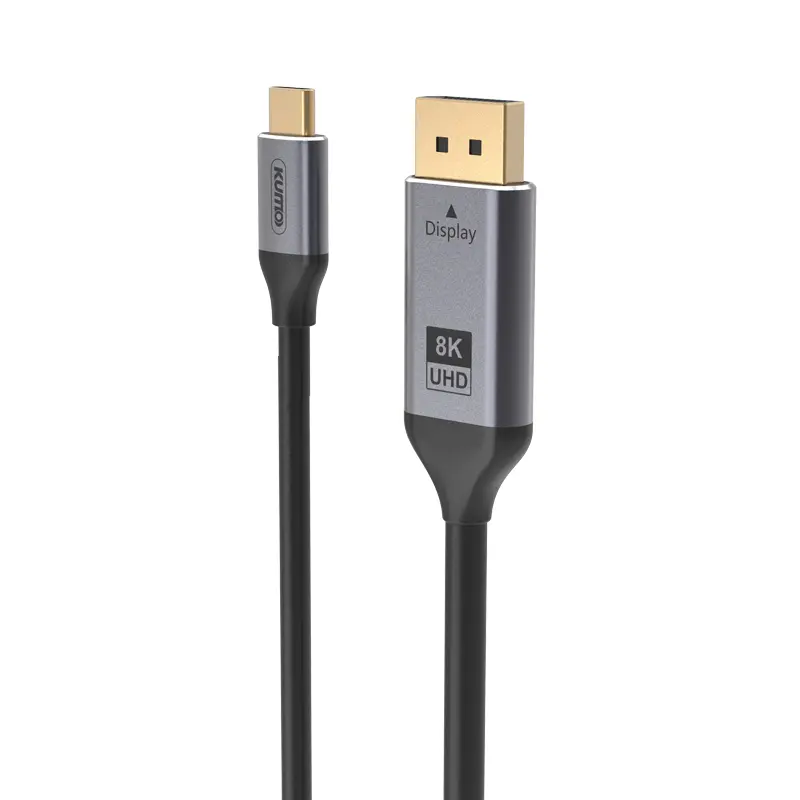 Type C to DP
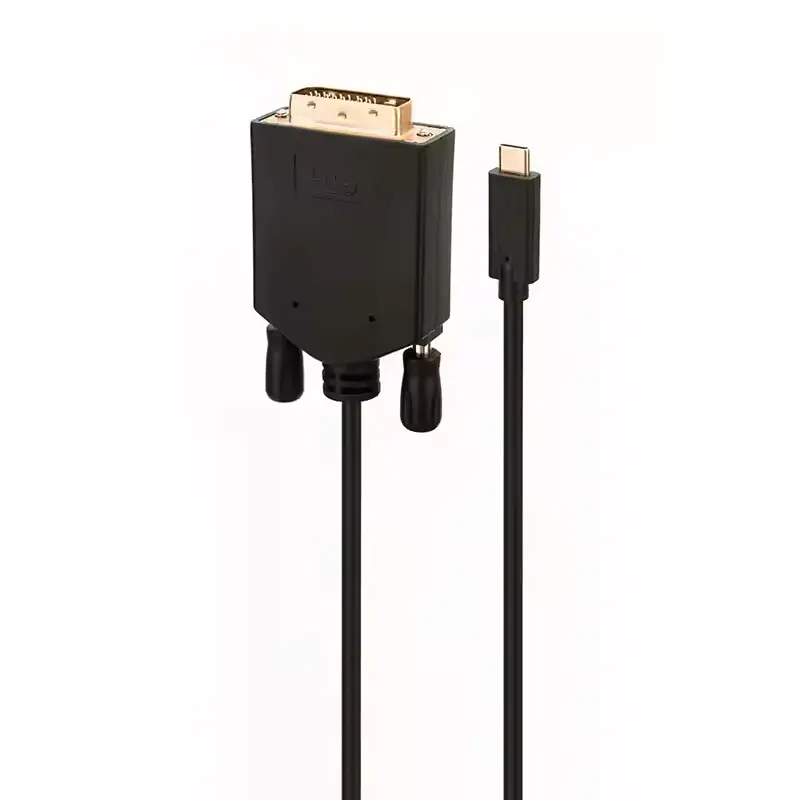 Type C to DVI
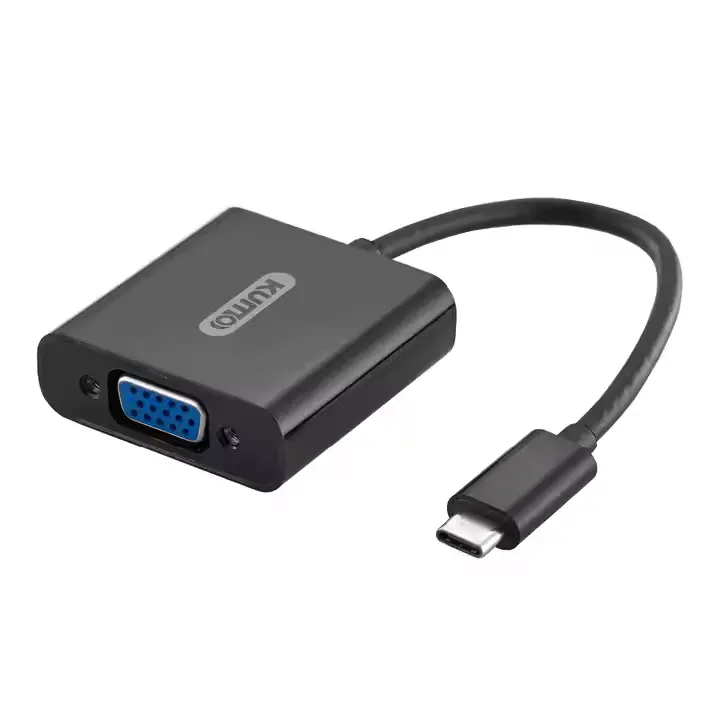 Type C Adapter
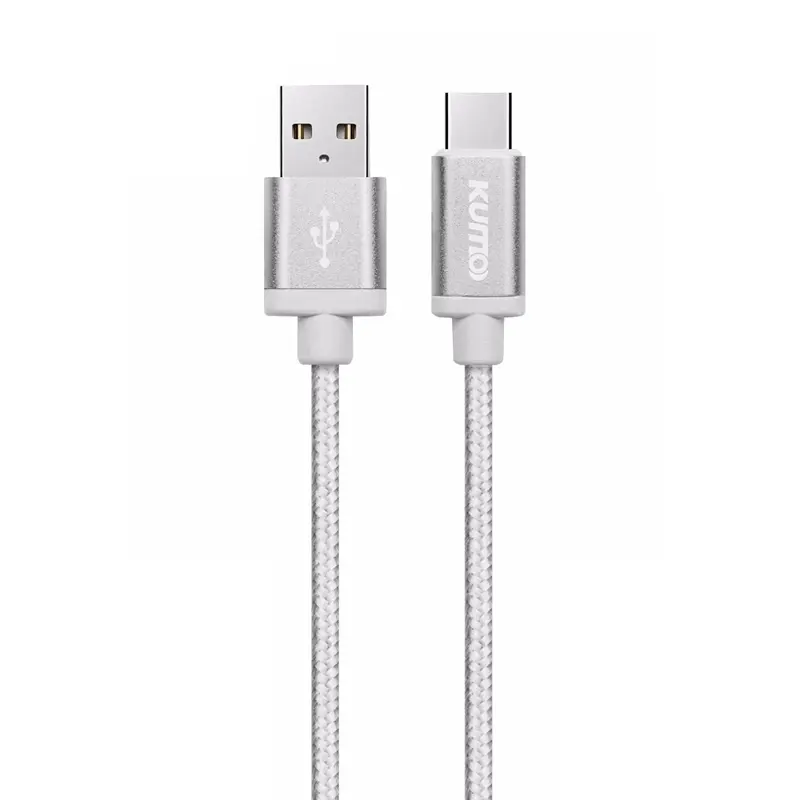 USB A to C Cable
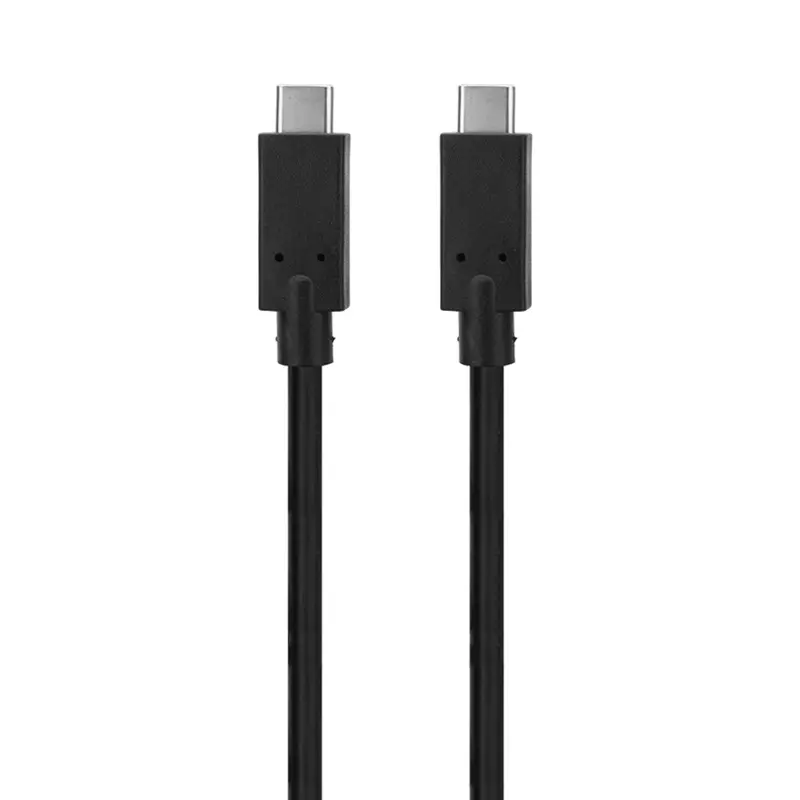 USB C to C Cable
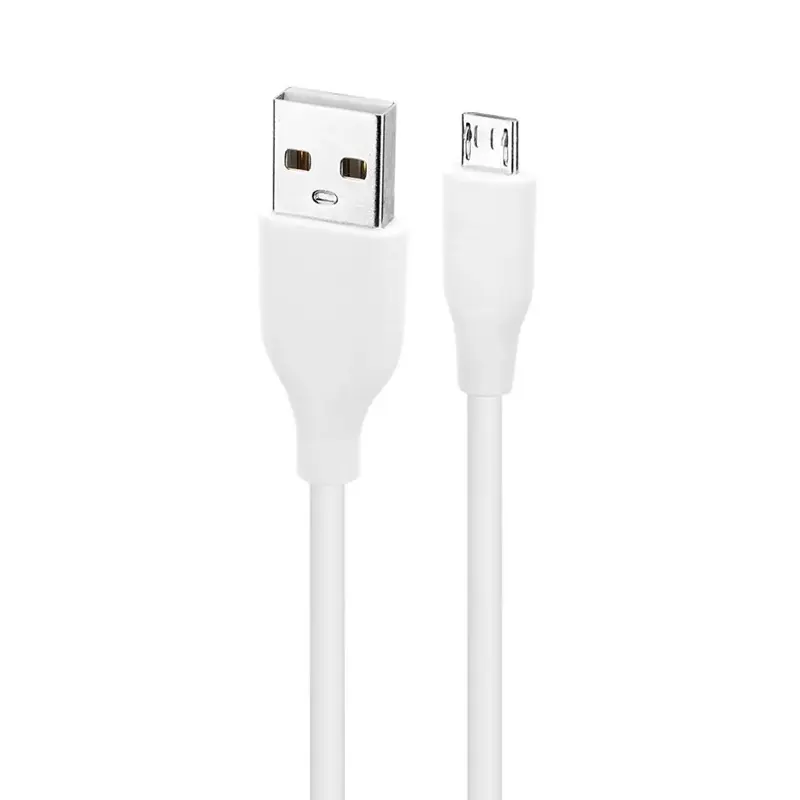 Micro USB Cable
 USB4 Cable