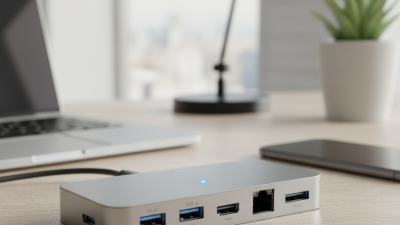
Why Choose a USB C Hub for Charging Your Devices?
As technology evolves, the need for versatile charging solutions has surged. The global USB hub market is projected to reach $31 billion by 2025, reflecting increasing reliance on multifunctional devices. A USB C hub for charging stands out in this landscape, providing seamless connectivity and power efficiency.
Many users often overlook the benefits of a USB C hub. However, it can enhance productivity while reducing clutter. A hub enables the simultaneous charging of multiple devices, such as laptops, smartphones, and tablets, all through a single connection. With its high-speed data transfer rates, this solution caters to demanding users and professionals alike.
Despite its advantages, not all USB C hubs are created equal. Options vary widely in quality and functionality. Some users express frustrations with compatibility issues or insufficient power delivery. It’s vital to choose a reliable product from reputable brands to ensure performance. Making informed choices can lead to better charging experiences and device longevity.
Understanding the Basics of USB C Hubs and Their Functionality
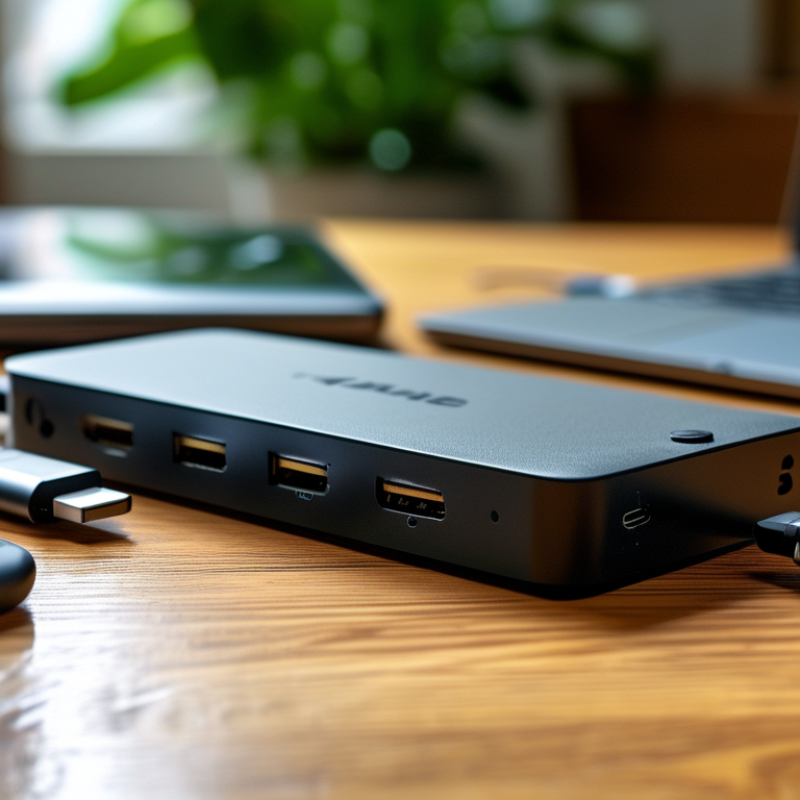
When considering a USB C hub for charging devices, it's essential to understand its functionality. USB C hubs are versatile tools that expand the capabilities of your devices. They allow multiple connections through a single port. This can be incredibly helpful for laptops lacking numerous ports. With a USB C hub, you can connect your laptop to an external monitor, keyboard, or even a network cable seamlessly.
Many users underestimate how much a USB C hub can enhance productivity. It provides not just charging options but also data transfer capabilities. You can easily transfer large files while keeping your devices charged. However, not all USB C hubs are created equal. Some may support only limited charging speeds or have fewer connectivity options. Users need to evaluate their needs before purchase. This reflection can affect efficiency and device performance.
Additionally, the choice of a USB C hub can improve your workspace organization. No more tangles of cables. Yet, it's crucial to remember that functionality can vary. Consider factors like power delivery capability and port types. This knowledge can guide you toward making an informed decision. Balancing quality and cost is important, as some cheaper options may compromise reliability.
Key Advantages of Using USB C Hubs for Device Charging
The advent of USB C hubs has revolutionized how we charge our devices. One of the primary advantages lies in their versatility. According to a 2022 report from the International Data Corporation (IDC), USB C ports are expected to account for over 70% of global mobile device ports by 2025. These hubs allow users to connect multiple devices concurrently, significantly reducing desk clutter.
Charging speed is another remarkable benefit. USB C supports Power Delivery (PD), which can enhance charging efficiency. Research reveals that devices can charge up to five times faster compared to standard USB A ports. This means less downtime for users, allowing seamless productivity. Yet, not all hubs deliver the same performance. Quality varies widely, and low-end options may not provide adequate power.
Moreover, USB C hubs often incorporate a variety of ports. Users can access HDMI, Ethernet, and more in one device. This versatility can reduce reliance on multiple chargers and connections. However, some users may face compatibility issues. Not every hub works perfectly with every device, leading to potential frustration. Balancing the advantages with these intricacies is crucial as technology evolves.
Compatibility: What Devices Work with USB C Hubs?
USB C hubs have become essential tools for many users. Their compatibility with a wide range of devices makes them versatile. Most modern laptops and tablets support USB C, allowing for seamless connectivity. You can connect smartphones, tablets, external monitors, and storage devices all at once.
Not all devices are created equal. While many newer gadgets utilize the USB C standard, some older models do not. It is important to check your device's specifications. Adapters can sometimes bridge the gap, but they may not always work as expected. Some users report issues with data transfer speeds and charging capabilities. These inconsistencies can lead to frustration, so always verify compatibility before purchasing a hub.
In addition to laptops and smartphones, many cameras and gaming consoles now support USB C. This opens up new possibilities for content creators and gamers alike. Still, challenges remain with finding a reliable hub. Some hubs may lack ports or features you need. Research user reviews to understand real experiences. Not every hub is reliable, and scrutinizing options can save time and money.
Factors to Consider When Choosing a USB C Hub for Charging
When choosing a USB C hub for charging, various factors come into play. The power delivery capability is crucial. Not all hubs can deliver the same wattage. If you have a high-capacity device, ensure your hub supports a sufficient power output. Otherwise, charging may be slow or insufficient. Also, consider the number of ports. Some hubs offer just one or two, while others provide multiple options. Think about your needs. Will you connect several devices at once?
Compatibility is another important aspect. Not every hub works seamlessly with all devices. If you own a special model, check for reviews or specifications. Quality of materials used in construction is worth noting. A durable hub can withstand daily wear and tear. Some hubs might be flashy but feel flimsy. Reliability often outweighs aesthetics.
Lastly, read user reviews. They can provide insight into any common issues. Sometimes, performance varies under heavy use. Look for insights on heat generation or efficiency during prolonged charging. Choosing a USB C hub is not just about price, it's about meeting your specific needs effectively. Always reflect on what you truly require.
Safety Features and Standards in USB C Hubs for Charging Devices
When choosing a USB C hub for charging devices, safety features and standards play a critical role. Many hubs provide over-voltage protection, which prevents excess current from damaging your devices. Additionally, many USB C hubs are designed to meet international safety standards. This ensures that they provide a reliable and safe charging experience.
Another key aspect is the certification of the hubs. Certified products undergo rigorous testing and adhere to safety guidelines. This enhances their reliability, reducing the risk of short circuits or overheating. When looking for a hub, it’s important to check if it has certifications such as UL or CE. These mark trustworthy standards in the tech industry.
However, not all hubs offer the same level of safety. Some may lack certain features, which can lead to unreliable performance. Always consider checking user reviews and technical specifications. An informed choice can save you from potential hazards and enhance your device’s longevity. Reflections on personal experiences with diverse hubs reveal how varying standards can significantly impact performance.
Charging Efficiency of USB C Hubs

 USB C Docking & Hub
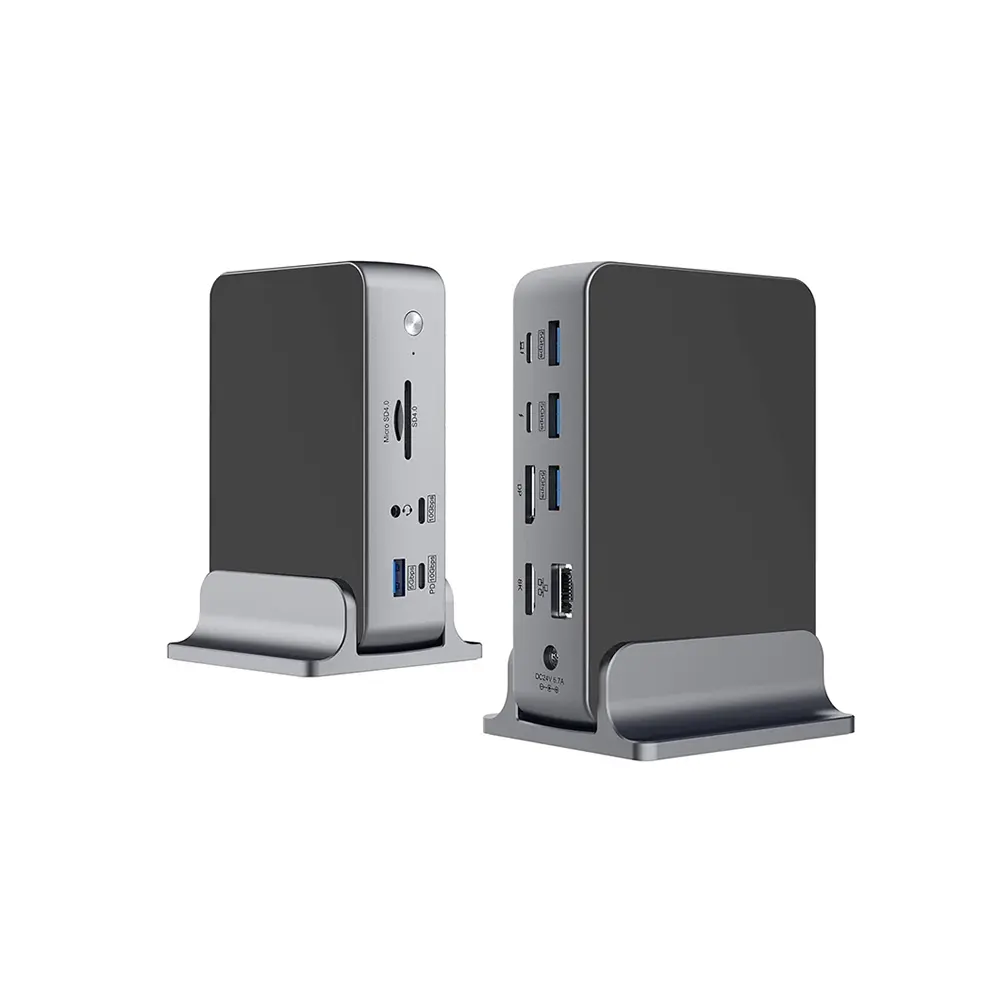 USB C Docking Station
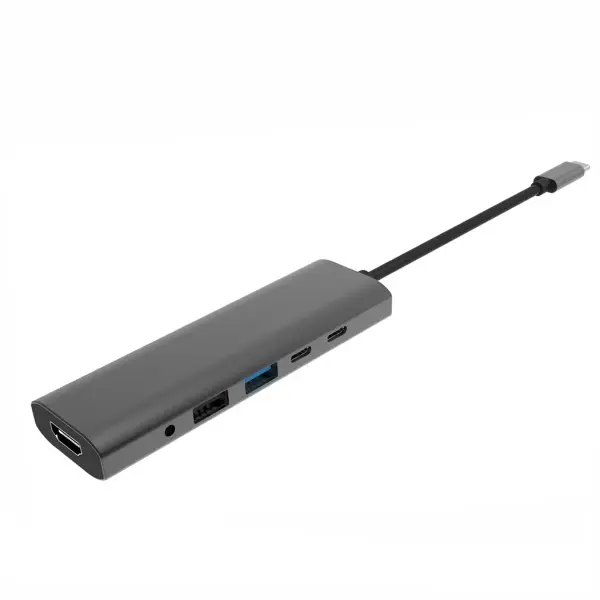 USB C Hub-H Series
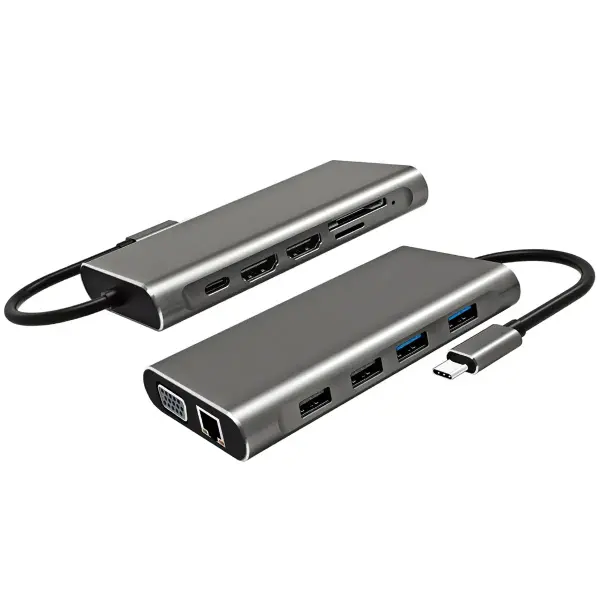 USB C Hub-H Series High End
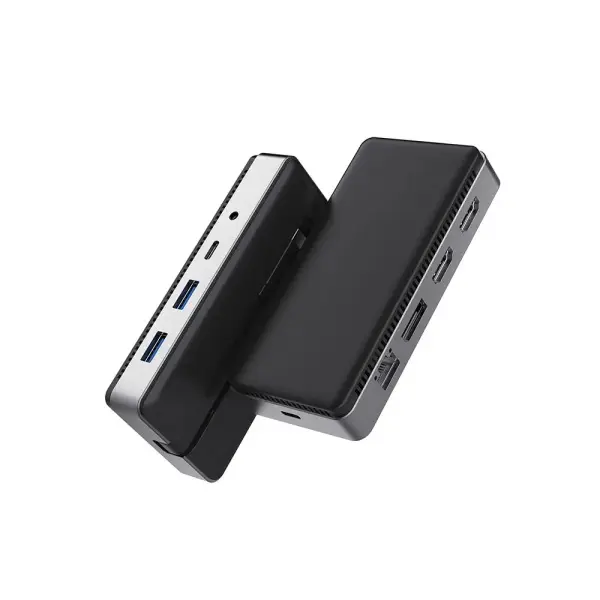 USB C Hub-X Series High End
 HDMI Cable
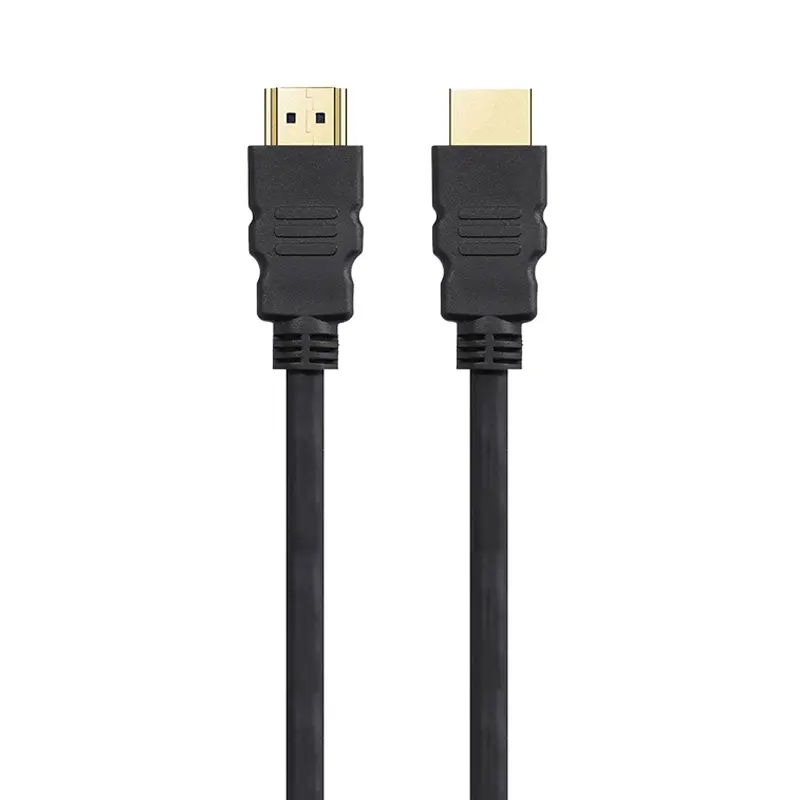 4K HDMI Cable
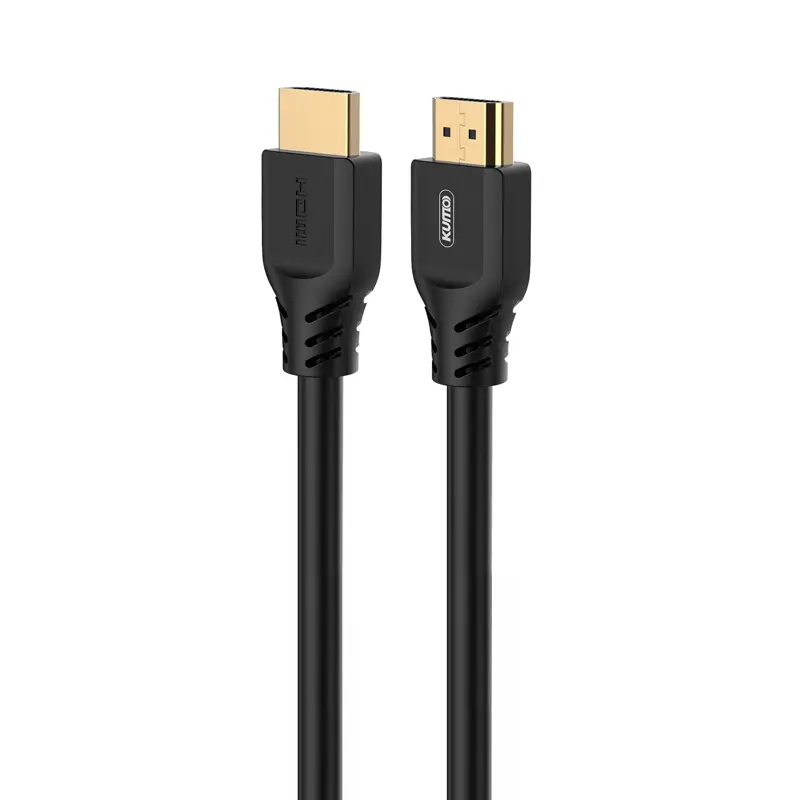 8K HDMI Cable
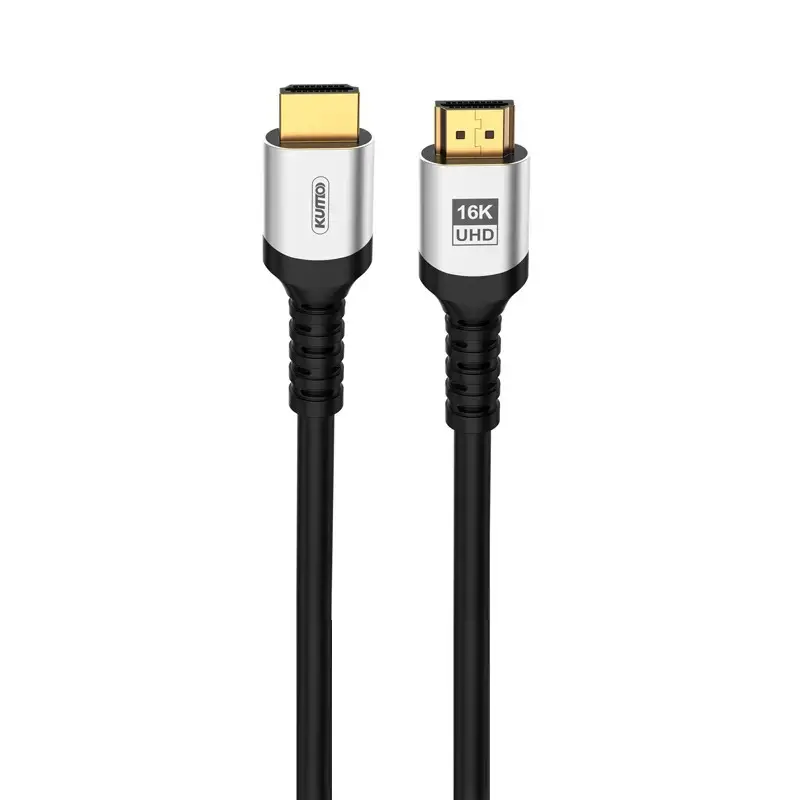 16K HDMI Cable
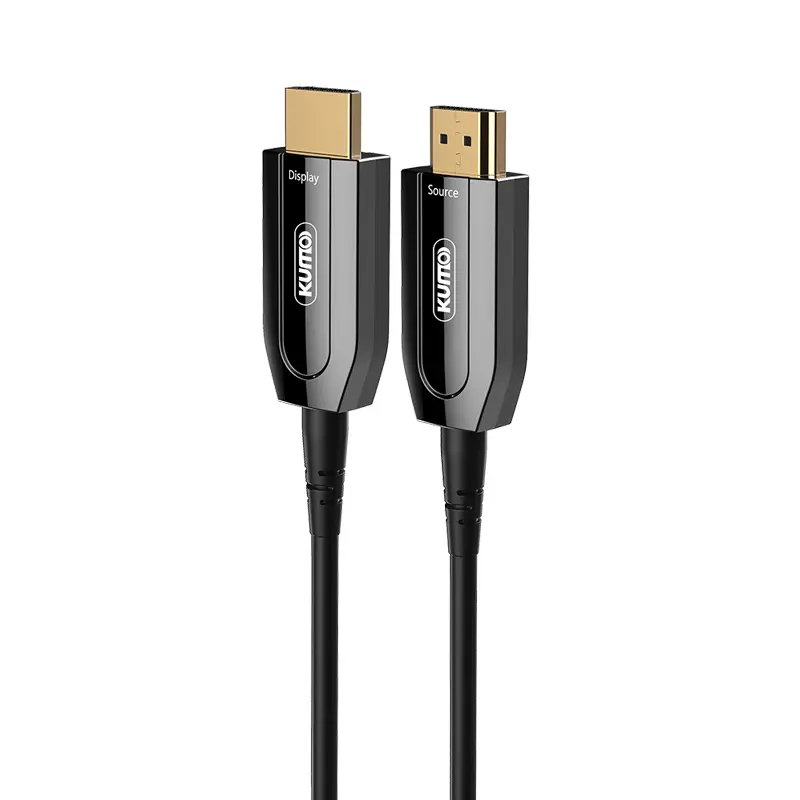 AOC HDMI Cable
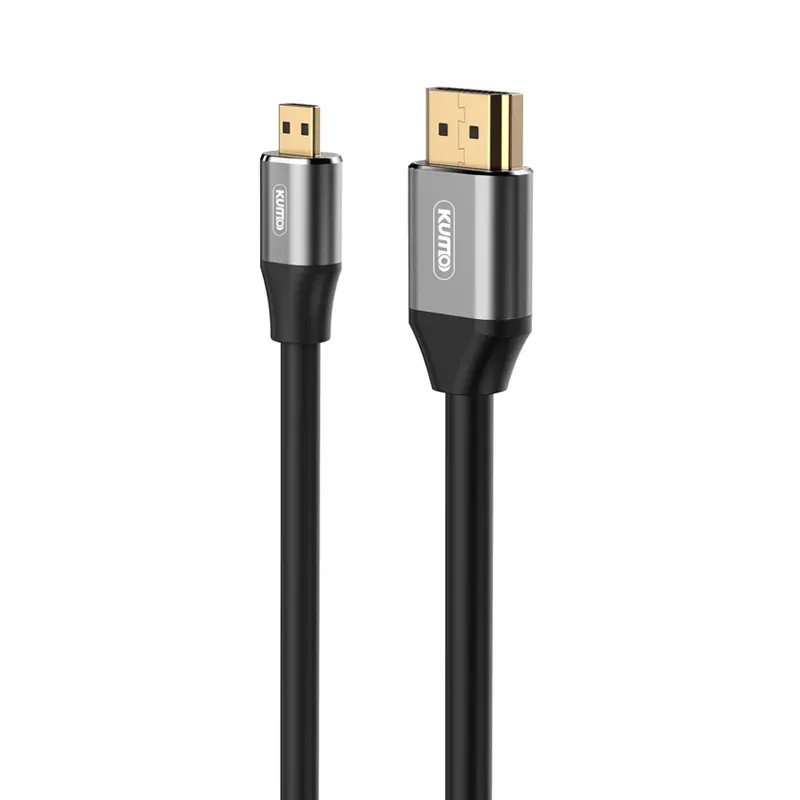 HDMI Conversion Cable
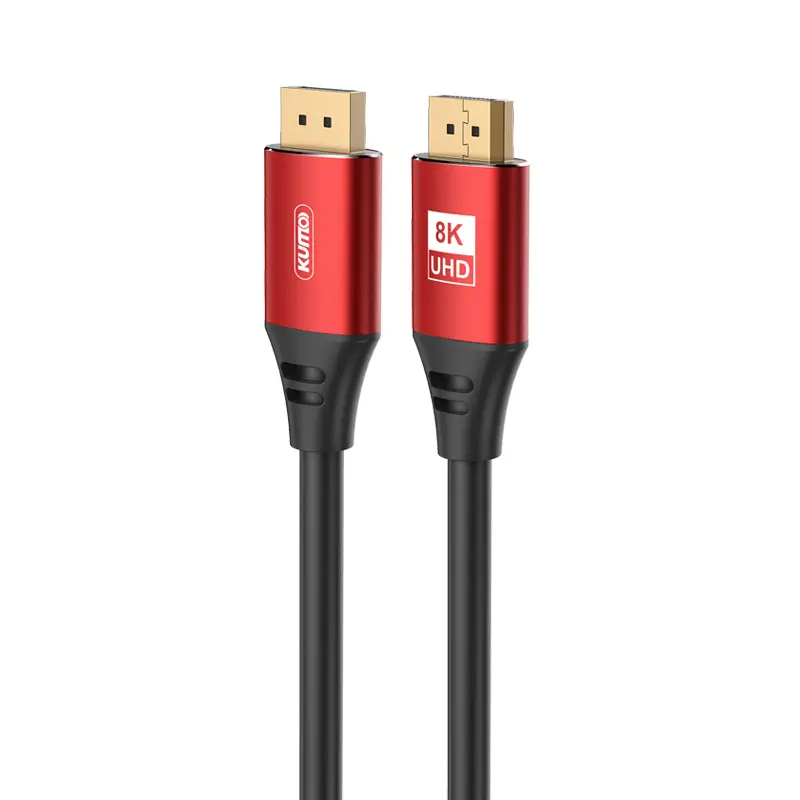 8K DisplayPort Cable
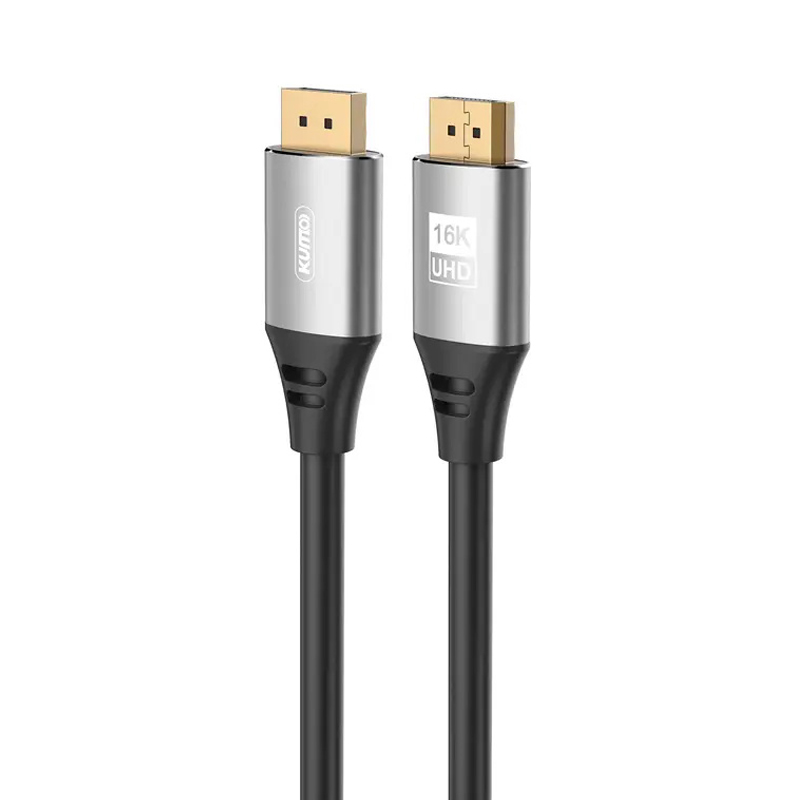 16K DisplayPort Cable
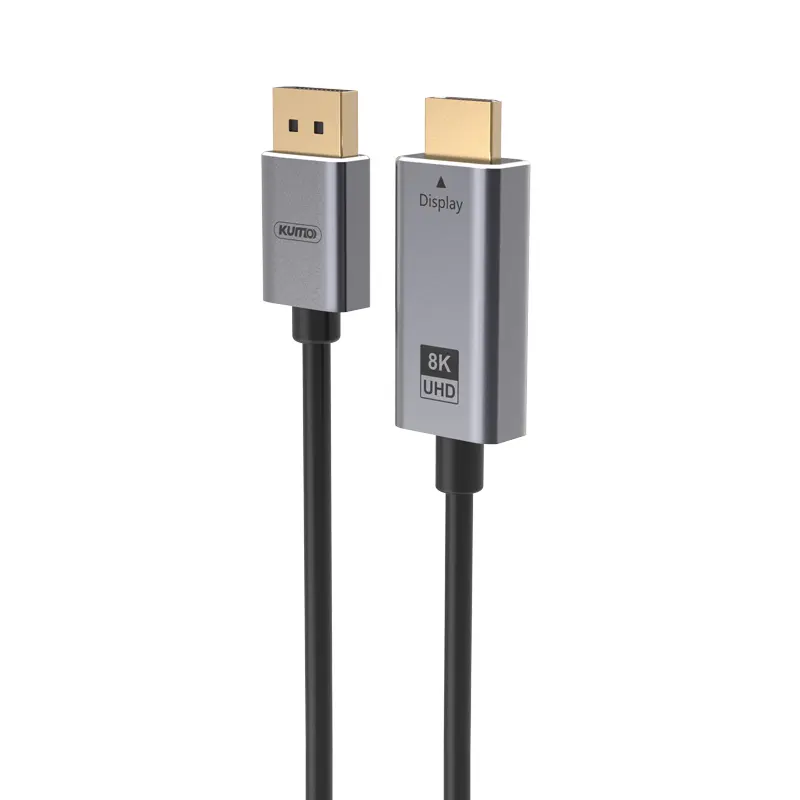 DisplayPort Conversion Cable
 XLR Cable
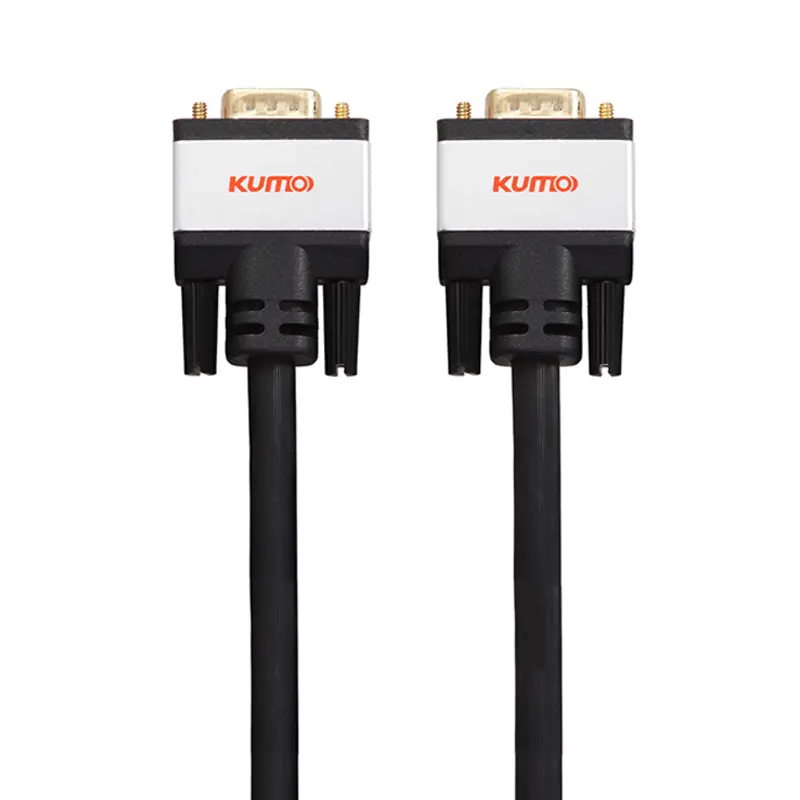 VGA Cable
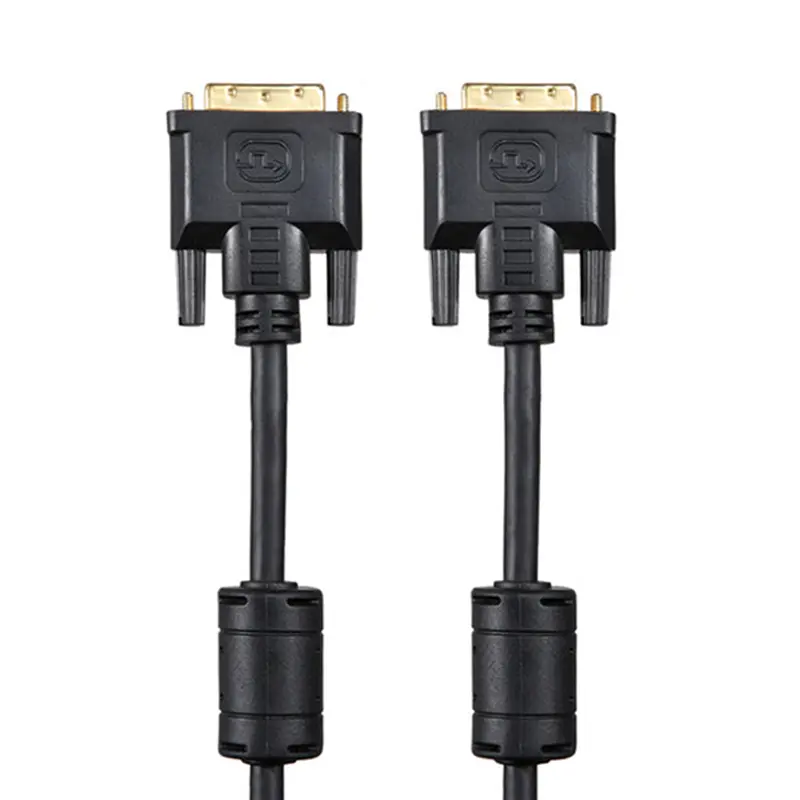 DVI Cable
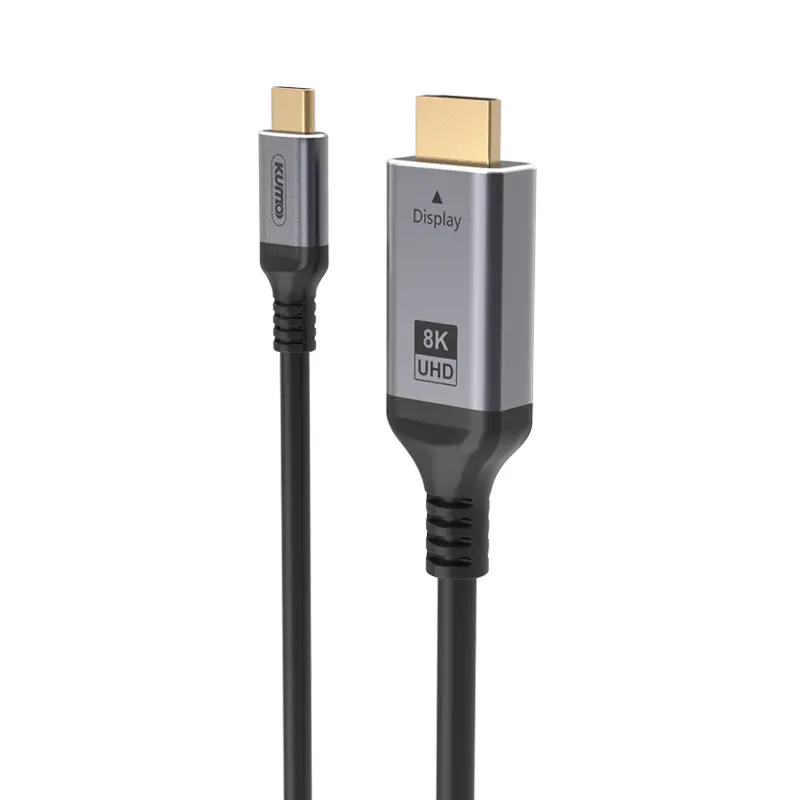 Type C To HDMI
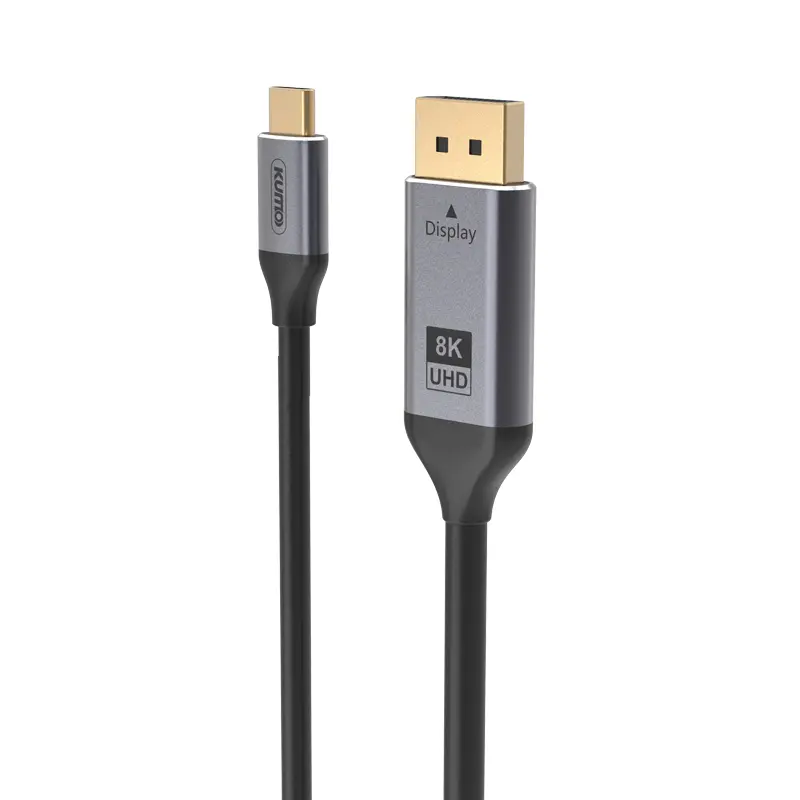 Type C to DP
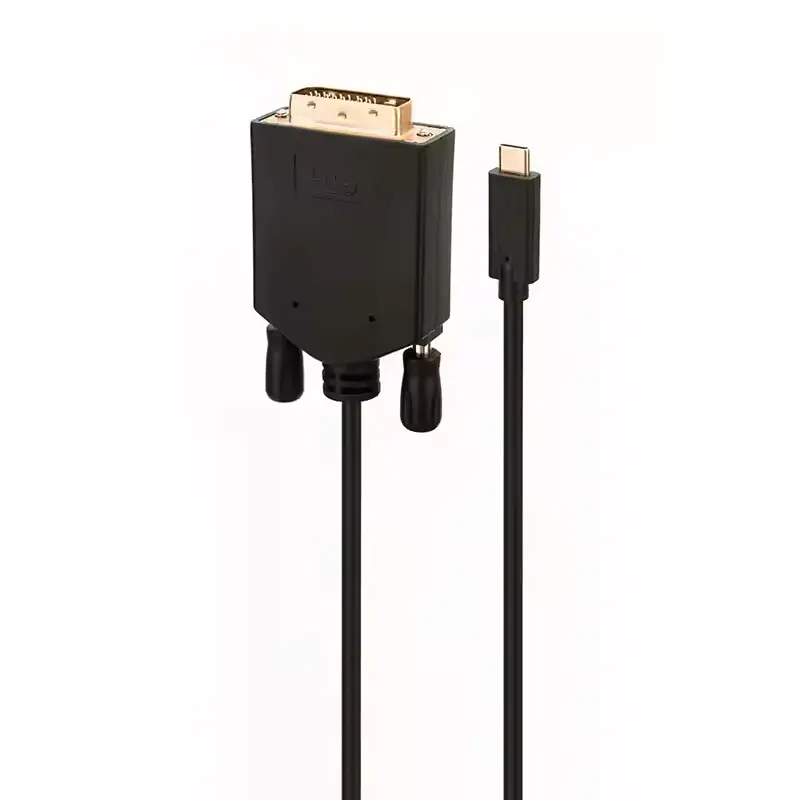 Type C to DVI
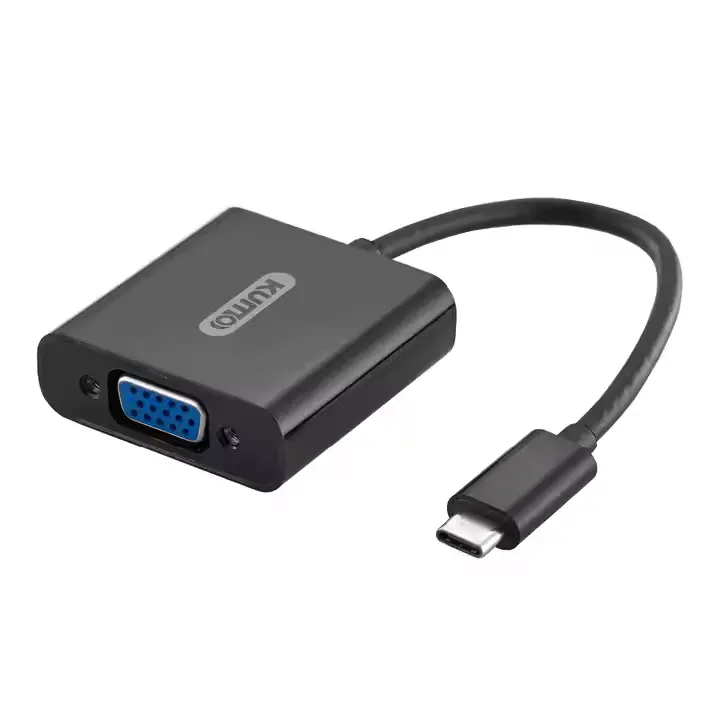 Type C Adapter
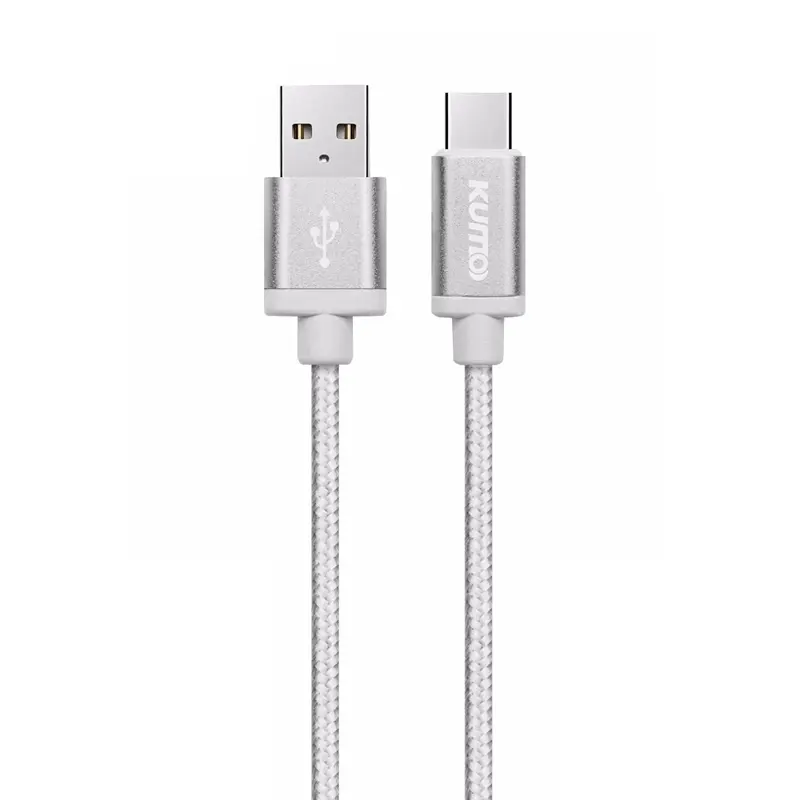 USB A to C Cable
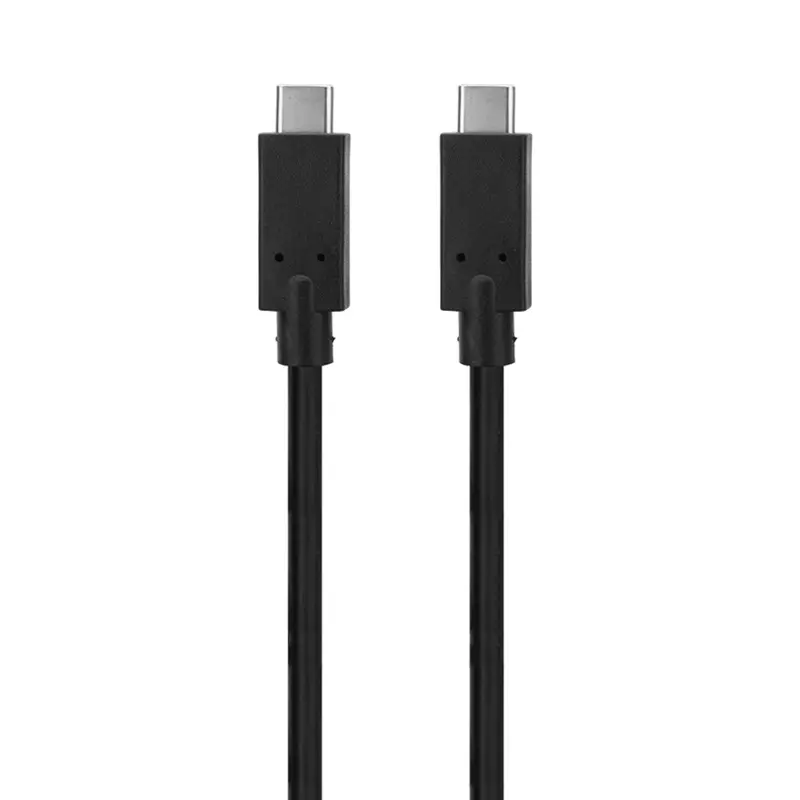 USB C to C Cable
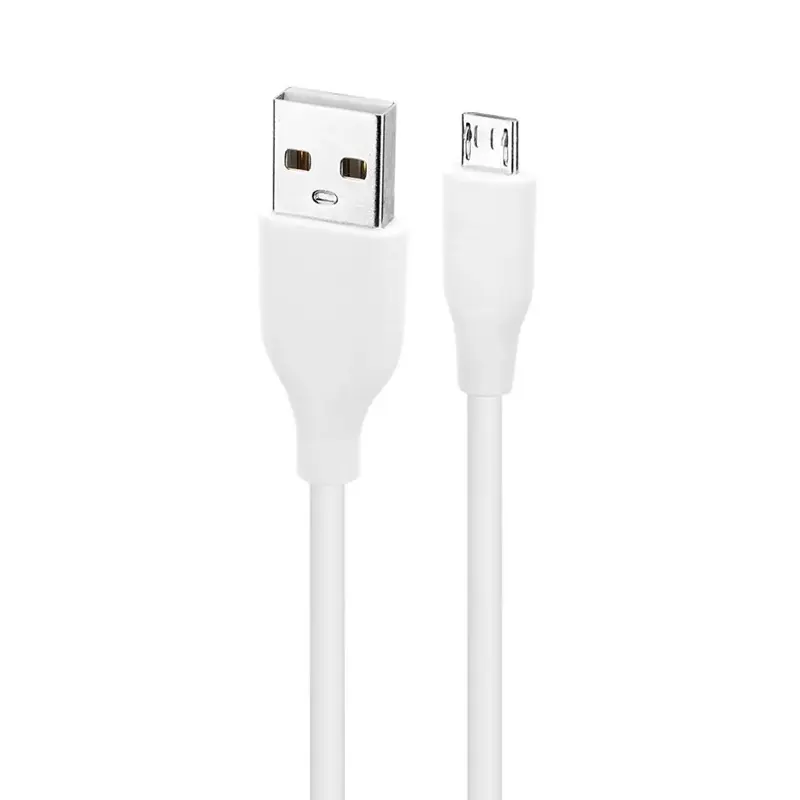 Micro USB Cable
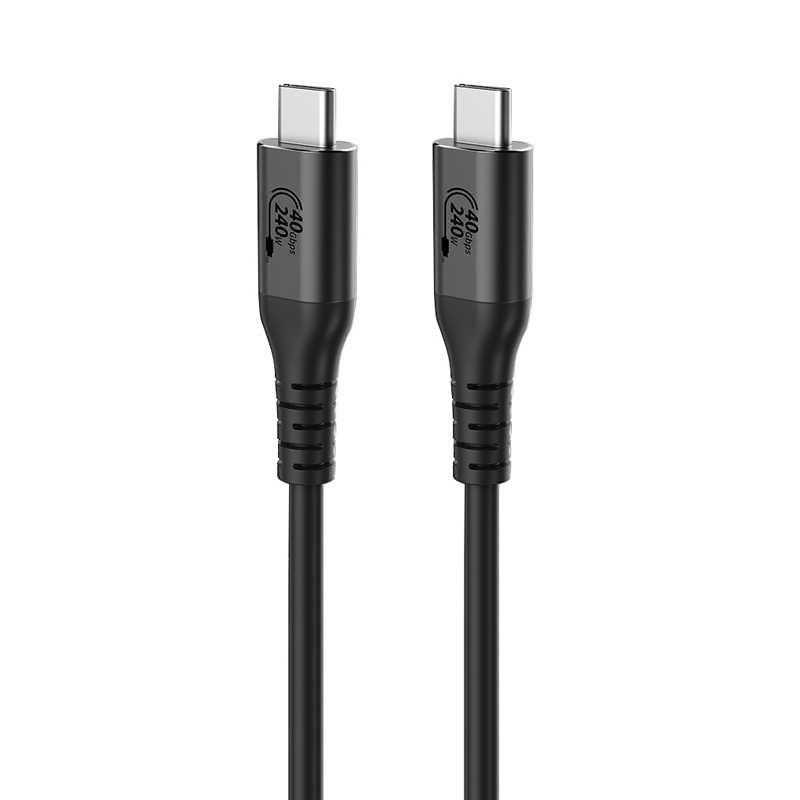 USB4 Cable