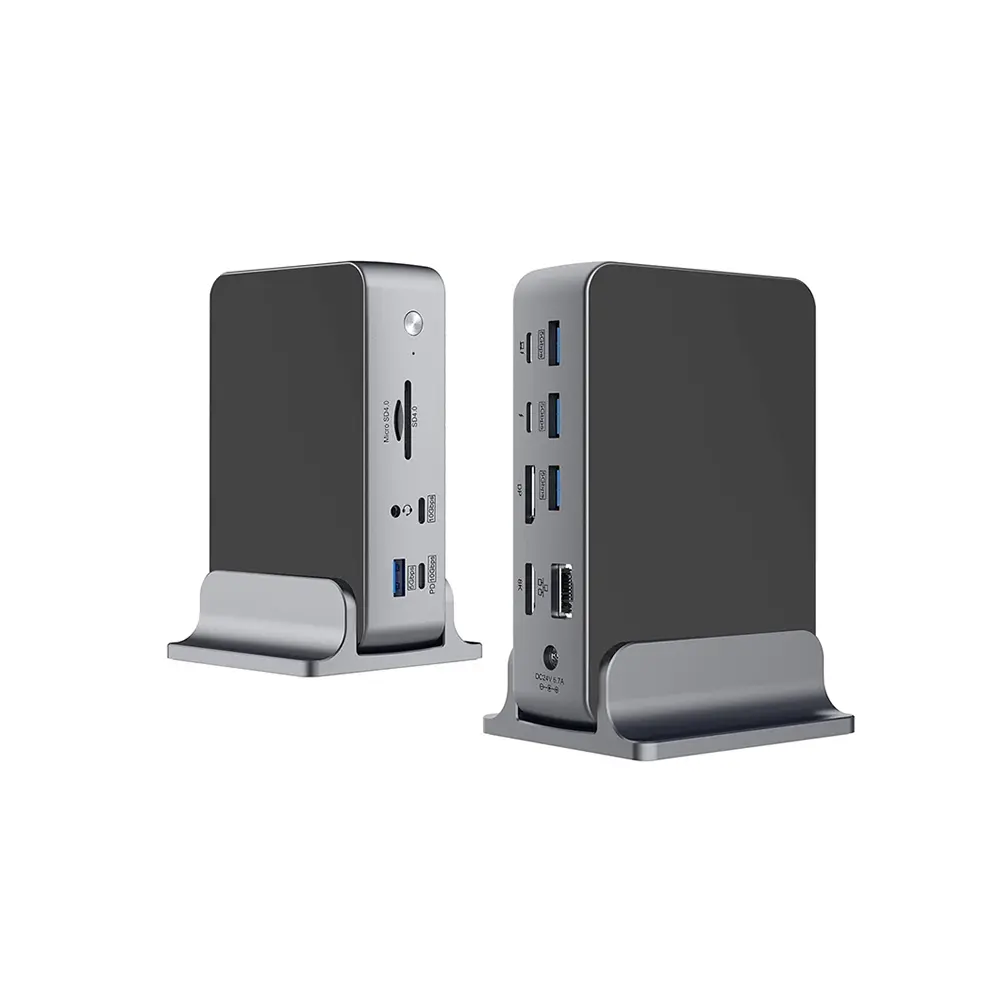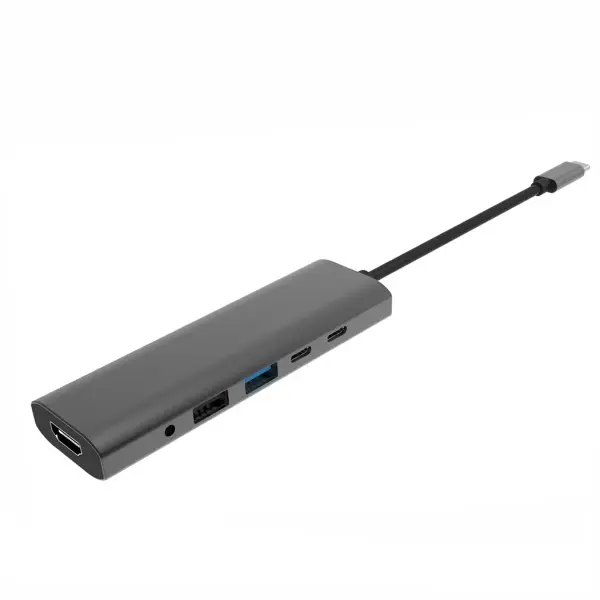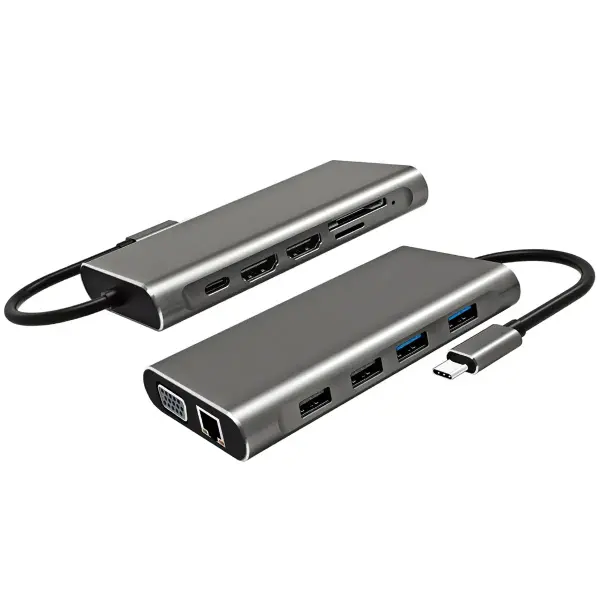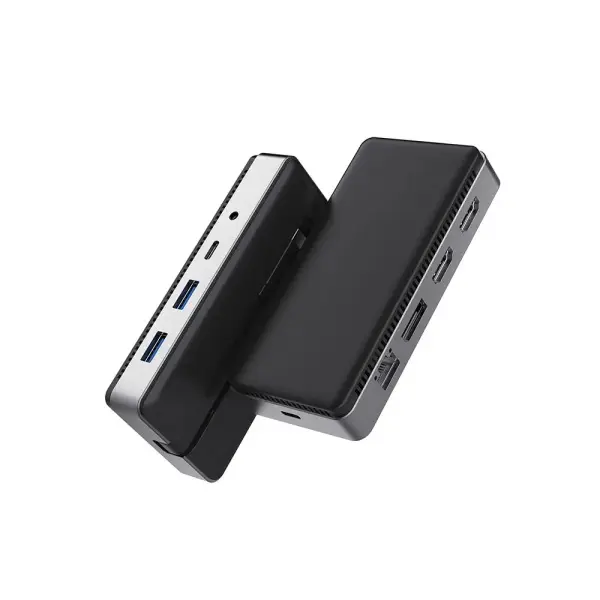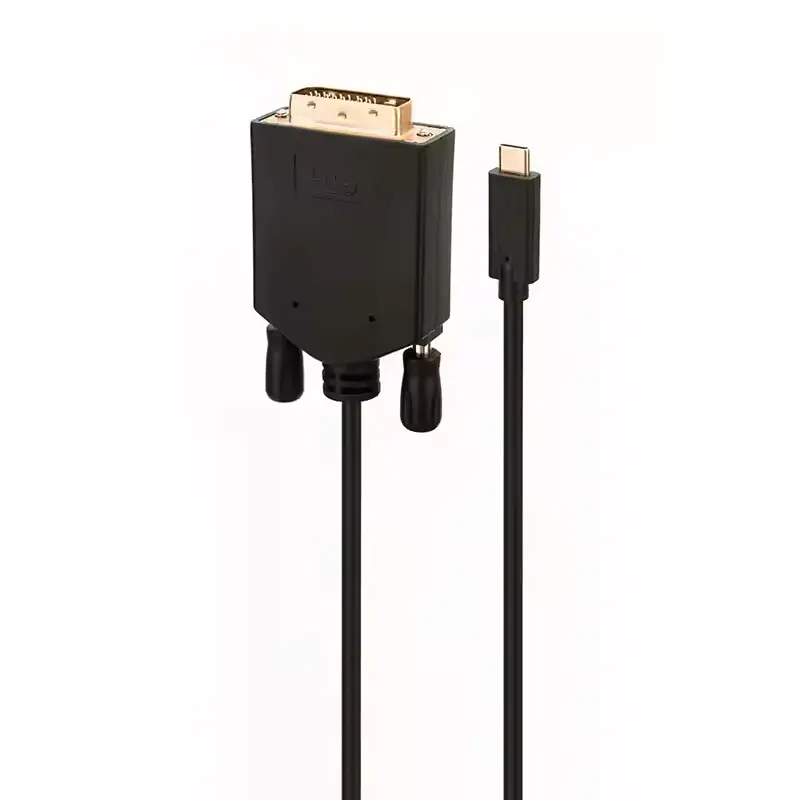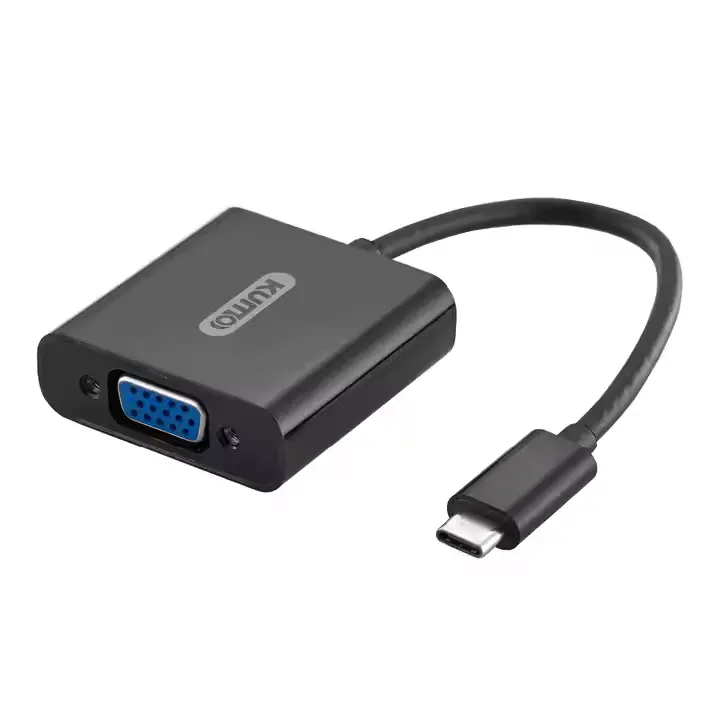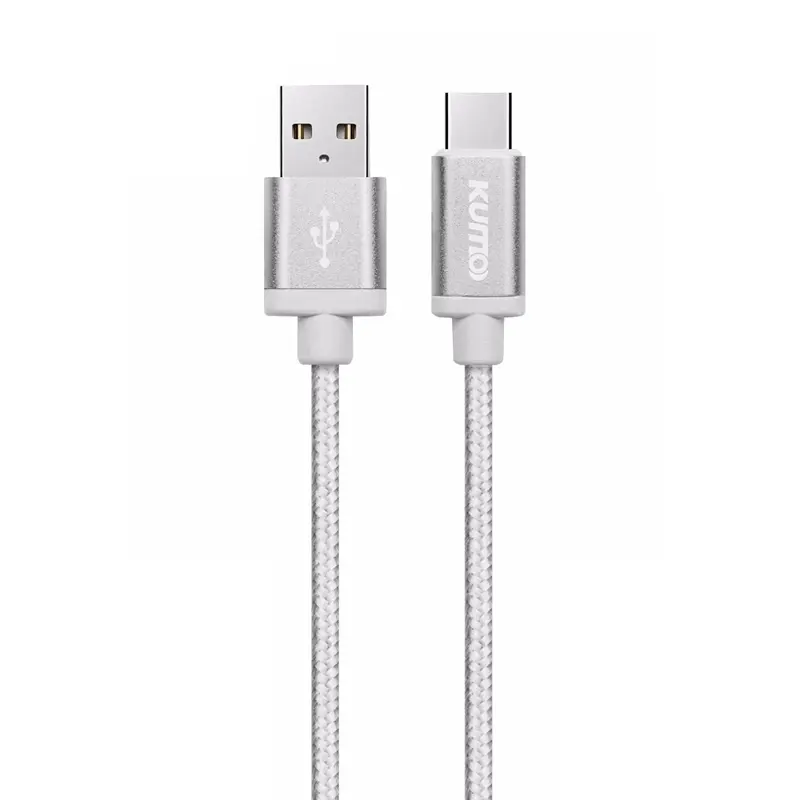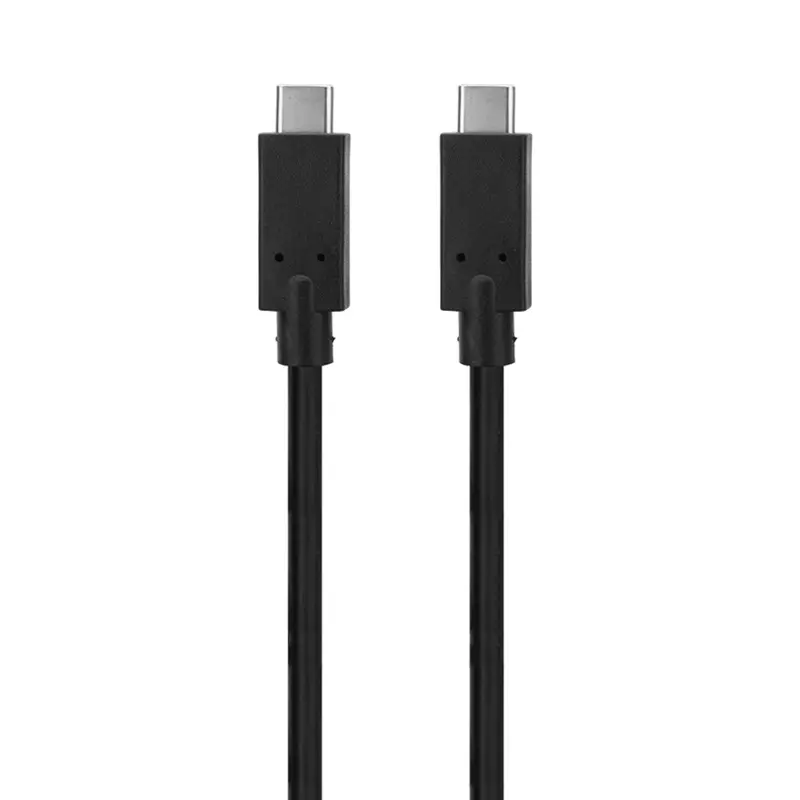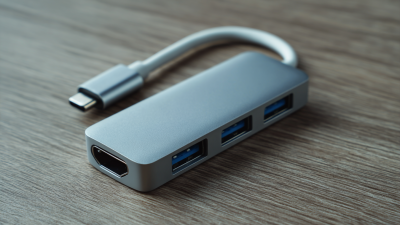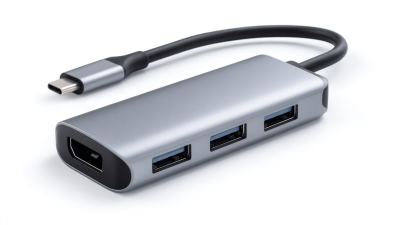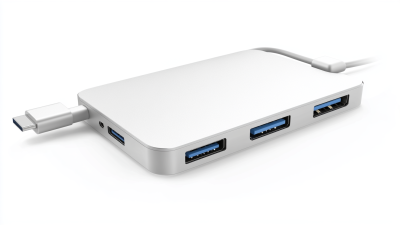
In today's fast-paced digital landscape, the need for efficient connectivity has never been more critical. The rise of remote work, online education, and the increasing interconnectivity of devices demands that professionals and students alike invest in tools that enhance productivity. According to a recent report by the International Data Corporation (IDC), over 85% of modern laptops now utilize USB-C ports, highlighting the shift towards a unified standard that facilitates faster data transfer and charging capabilities. This is where the USB C Multi Port Hub becomes an indispensable accessory for daily tech needs.
For users navigating multiple devices, whether it's connecting a laptop to external monitors, USB drives, or other peripherals, a USB C Multi Port Hub offers a streamlined solution. Research indicates that professionals lose up to an hour a week due to connectivity issues, showcasing the practical benefits of maximizing port accessibility. By integrating various functions into a single hub, users can minimize clutter and maximize efficiency, ultimately enhancing their workflow. As the world continues to advance toward a fully integrated digital ecosystem, the USB C Multi Port Hub stands out as a necessary investment for those looking to stay ahead in both personal and professional settings.
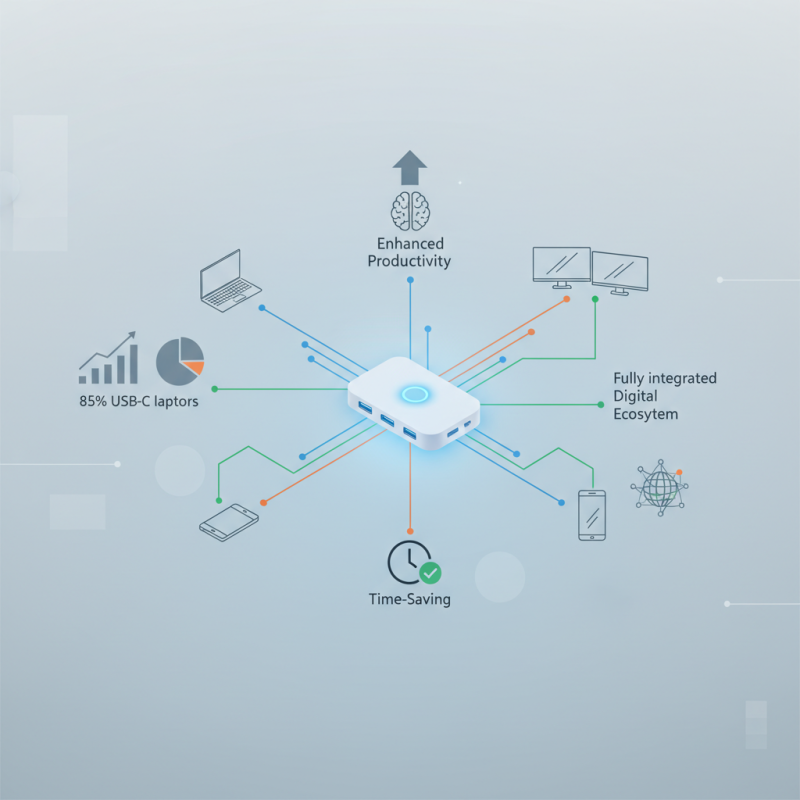
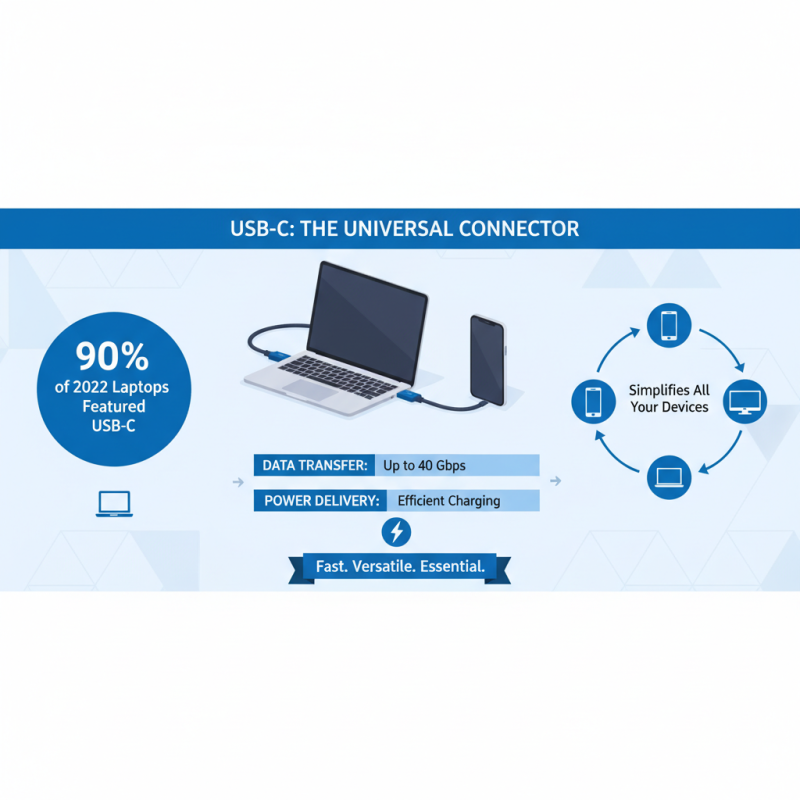
In today's technology-driven world, USB-C connectivity has become an essential standard for modern devices. According to a recent report from the USB Implementers Forum, nearly 90% of laptops released in 2022 featured USB-C ports, reflecting a significant shift toward this versatile connection type. USB-C not only supports high-speed data transfer rates of up to 40 Gbps, but it also simplifies power delivery, enabling devices to charge more efficiently. This dual functionality makes USB-C the go-to choice for a wide array of gadgets, from smartphones to laptops, increasing the convenience and utility of our daily tech.
Moreover, as the industry evolves, the need for multi-port hubs emerges prominently. The Global Market Insights report predicts that the USB-C hub market will grow exponentially, reaching over $3 billion by 2026. This growth is driven by an increasing number of devices requiring interconnectivity, including peripherals like external displays, storage units, and charging stations. As more products adopt USB-C, having a multi-port hub becomes crucial for maximizing productivity and ensuring seamless integration of various devices. The use of a USB-C multi-port hub not only declutters your workspace but also provides the necessary connectivity to support modern workflows, making it an indispensable tool for anyone relying on multifunctional technology.
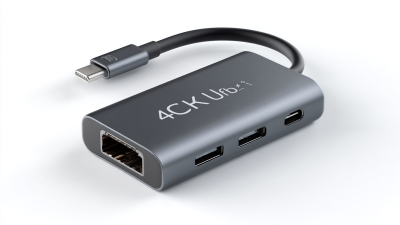
USB-C multi-port hubs have become essential tools for today’s tech-savvy individuals, offering a diverse range of connectivity options to meet daily tech needs. A recent report by the International Data Corporation (IDC) revealed that the demand for USB-C ports in devices is projected to grow by 45% annually until 2025. This surge reflects the increasing reliance on a unified connection standard for charging, data transfer, and video output, underscoring the importance of investing in a multi-port hub.
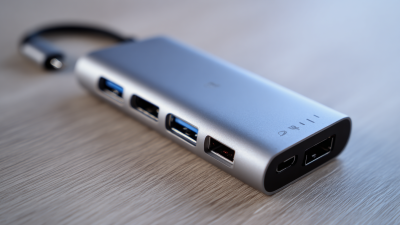
Understanding the features of USB-C multi-port hubs is crucial for maximizing their utility. Most hubs come equipped with multiple ports, including USB-A, HDMI, and Ethernet, providing seamless integration for various devices. According to the Global Tech Insights report, over 70% of users prefer hubs that offer at least three different output options, enabling them to connect not only their laptops and smartphones but also external hard drives and displays.
Furthermore, the incorporation of USB Power Delivery (PD) technology allows for fast charging capabilities, which is particularly beneficial in today’s fast-paced environment.
In addition, many hubs include features such as data transfer speeds of up to 10 Gbps, supporting high-bandwidth applications like video editing and gaming. The compatibility with a wide range of operating systems, as noted in a survey by Tech Advisory Group, ensures that users can enjoy flexibility without the hassle of managing multiple cables and adapters.
Embracing a USB-C multi-port hub could streamline tech setups, enhancing productivity and efficiency in both professional and personal spaces.
In today's fast-paced digital world, a USB-C multi-port hub has become an essential tool for professionals and tech enthusiasts alike. By offering multiple connectivity options through a single port, these hubs enhance productivity and streamline daily tasks. According to a recent report from the International Data Corporation (IDC), over 80% of professionals now rely on devices that support USB-C, highlighting a significant shift towards this universal standard. Leveraging such technology allows users to effortlessly connect multiple accessories—like monitors, external drives, and peripherals—simultaneously.
The benefits of using a USB-C multi-port hub are manifold. For instance, a study conducted by MarketsandMarkets indicates that the global USB-C hub market is expected to grow at a compound annual growth rate (CAGR) of 15.2% through 2026. This growth is driven by the increasing adoption of USB-C technology across a wide array of devices. By incorporating a USB-C hub into their setup, users can enjoy features such as high-speed data transfer rates, quick device charging, and versatile connectivity options which significantly enhance workflow efficiency. Furthermore, many hubs provide essential ports, including HDMI for display output and Ethernet for stable internet connections, addressing various tech needs essential for remote work and collaboration environments.
When selecting the right USB-C multi-port hub for your daily tech needs, it’s essential to assess your specific usage scenarios and device compatibility. A recent report by the International Data Corporation (IDC) found that the global market for USB-C hubs and adapters is expected to grow by 15% annually, reflecting a rising demand for versatile connectivity solutions in both personal and professional environments. This growth indicates that more users are recognizing the necessity of flexible device connections, particularly as tech ecosystems become increasingly reliant on USB-C for power and data transmission.
One critical factor to consider is the number and type of ports offered by the hub. According to a survey conducted by NPD Group, over 60% of consumers reported that having multiple ports, including HDMI, USB-A, and charging capabilities, significantly enhanced their productivity. Additionally, compatibility is paramount; ensure the hub supports not just your laptop but also various peripherals like external drives, monitors, and smartphones. With a well-chosen USB-C multi-port hub, users can streamline their tech setup, creating a more efficient workspace that accommodates both everyday tasks and advanced applications.
In today’s fast-paced digital environment, maximizing productivity is crucial to achieving success. A USB-C multi-port hub is an essential tool that dramatically enhances your workflow. With the ability to connect multiple devices simultaneously, these hubs streamline your workspace, allowing you to focus on tasks without the frequent hassle of unplugging and replugging peripherals. Whether you need to connect monitors, external storage devices, or charge your laptop, a multi-port hub efficiently manages connections, transforming your single USB-C port into a versatile workstation.
Moreover, a USB-C multi-port hub eliminates the clutter often associated with multiple cables and devices. By housing various ports, it organizes your setup, making it not only more visually appealing but also significantly more functional. You can quickly switch between tasks, share content across screens, or transfer data at high speeds without the stress of dealing with limited connectivity options. This seamless integration not only saves time but also enhances overall productivity, allowing you to transition between home, work, or on-the-go settings with ease.