
 USB C Docking & Hub
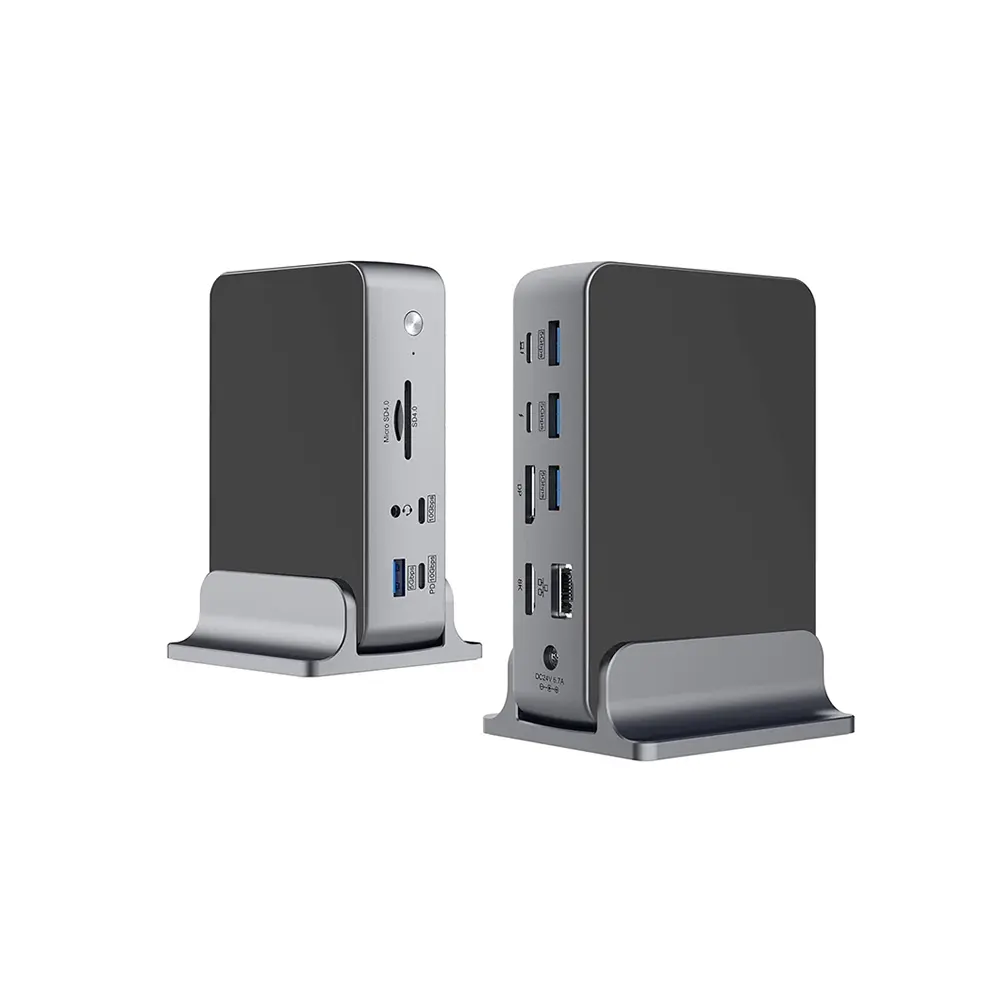 USB C Docking Station
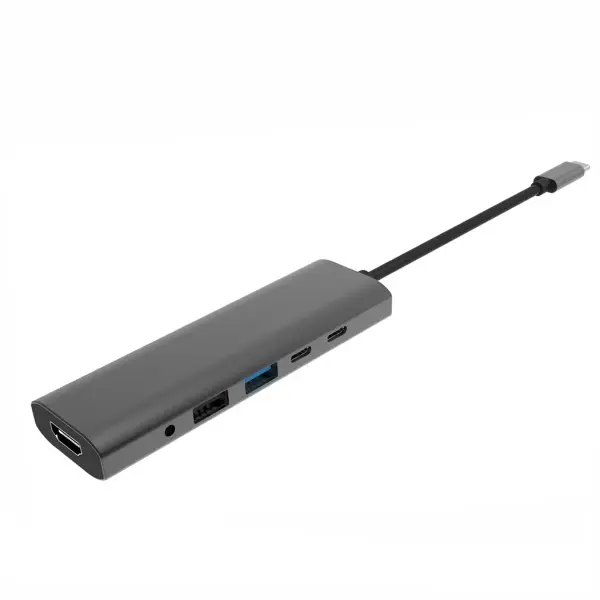 USB C Hub-H Series
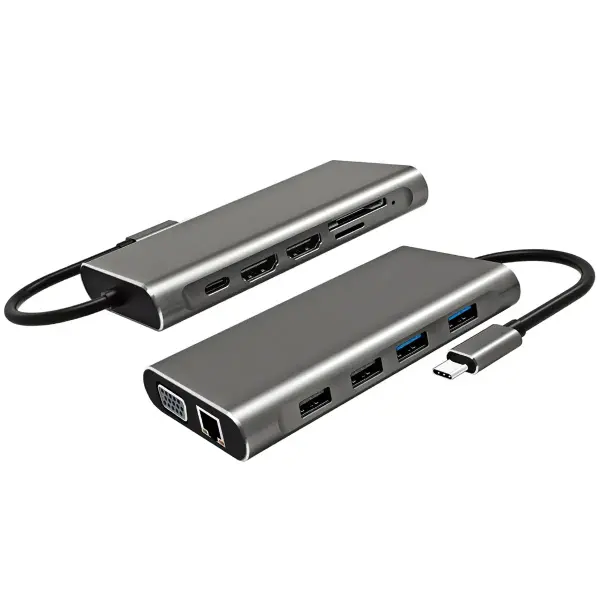 USB C Hub-H Series High End
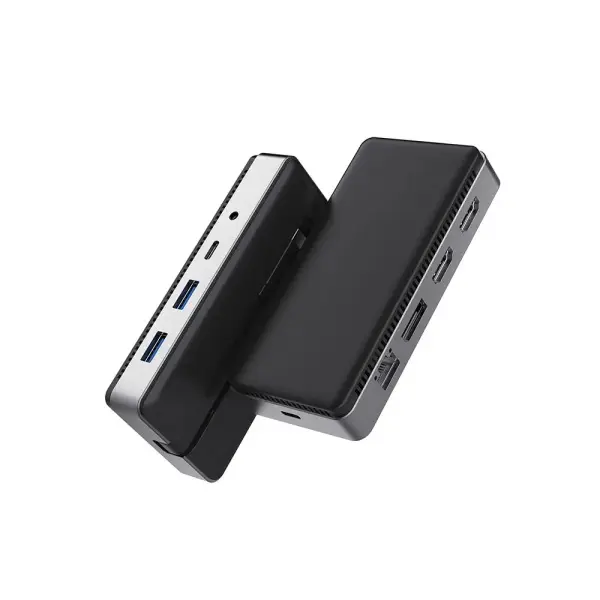 USB C Hub-X Series High End
 HDMI Cable
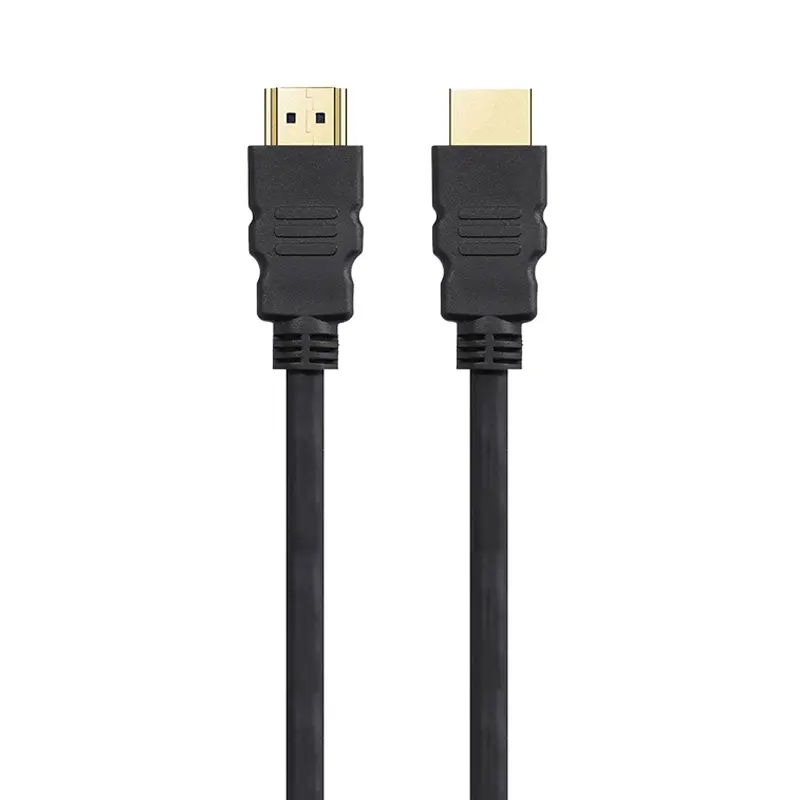 4K HDMI Cable
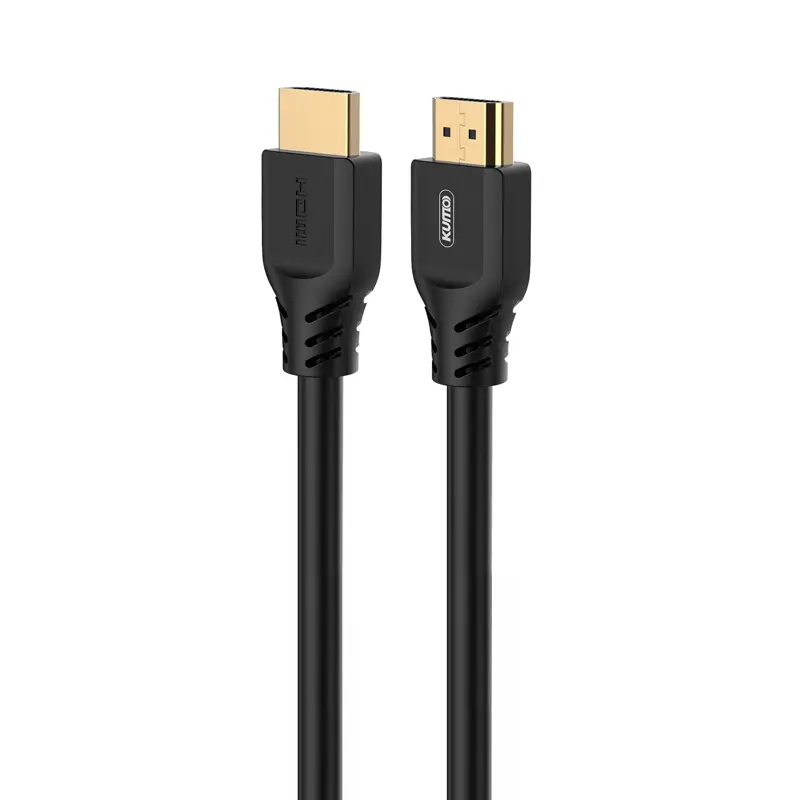 8K HDMI Cable
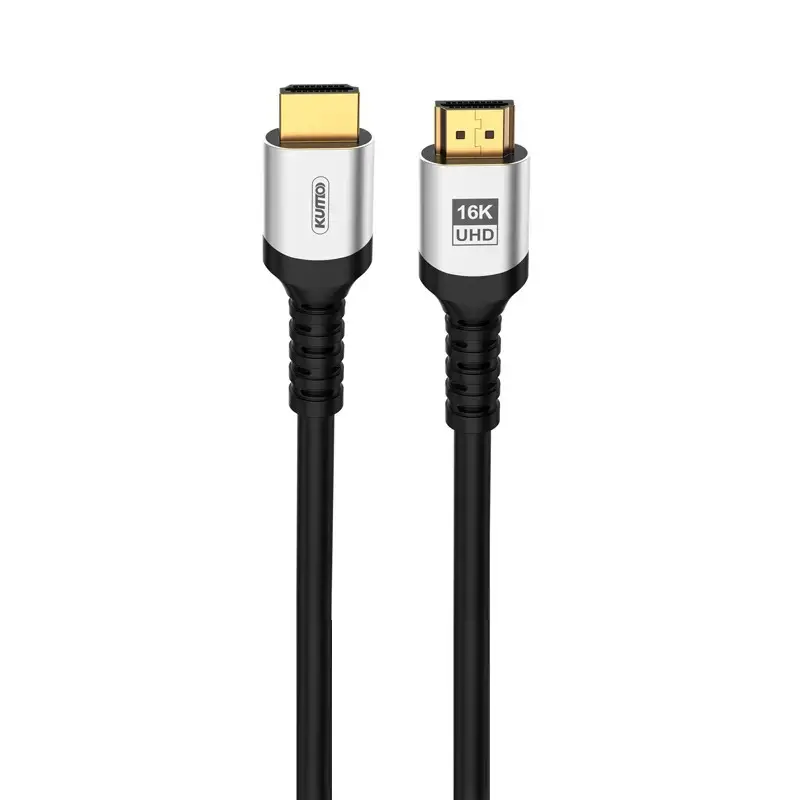 16K HDMI Cable
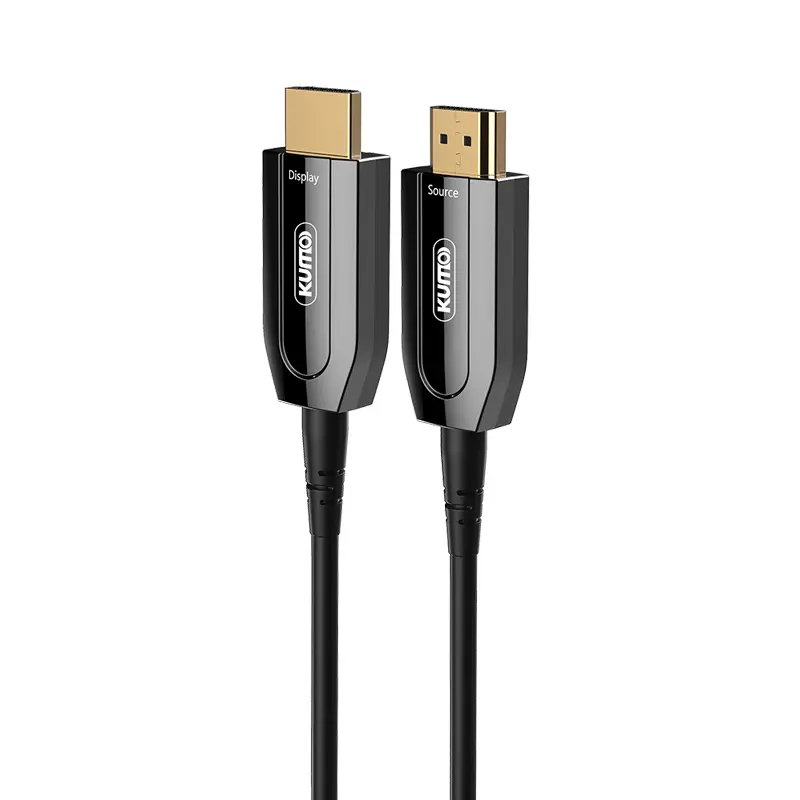 AOC HDMI Cable
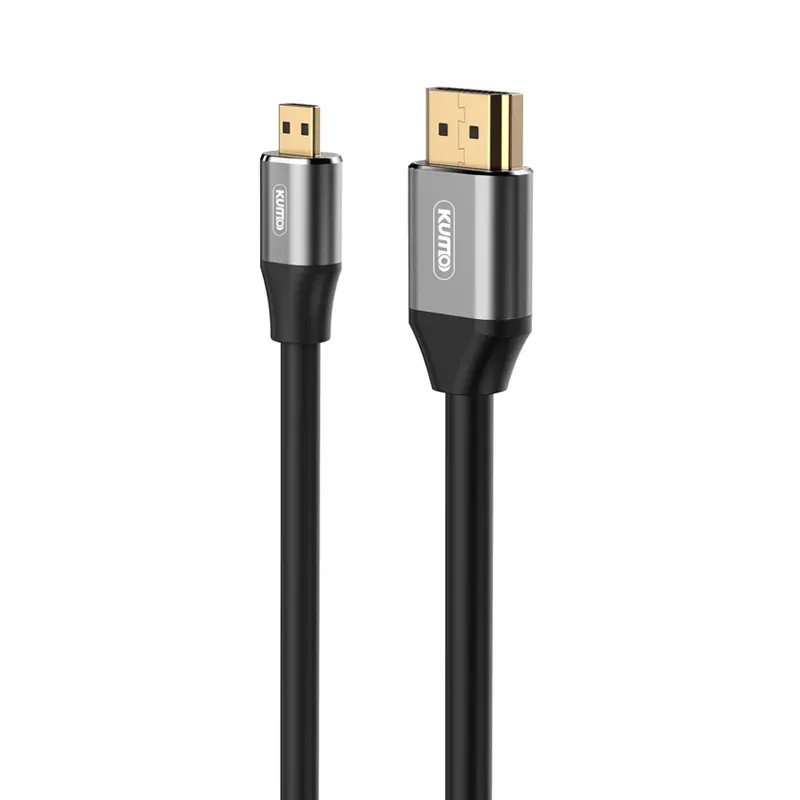 HDMI Conversion Cable
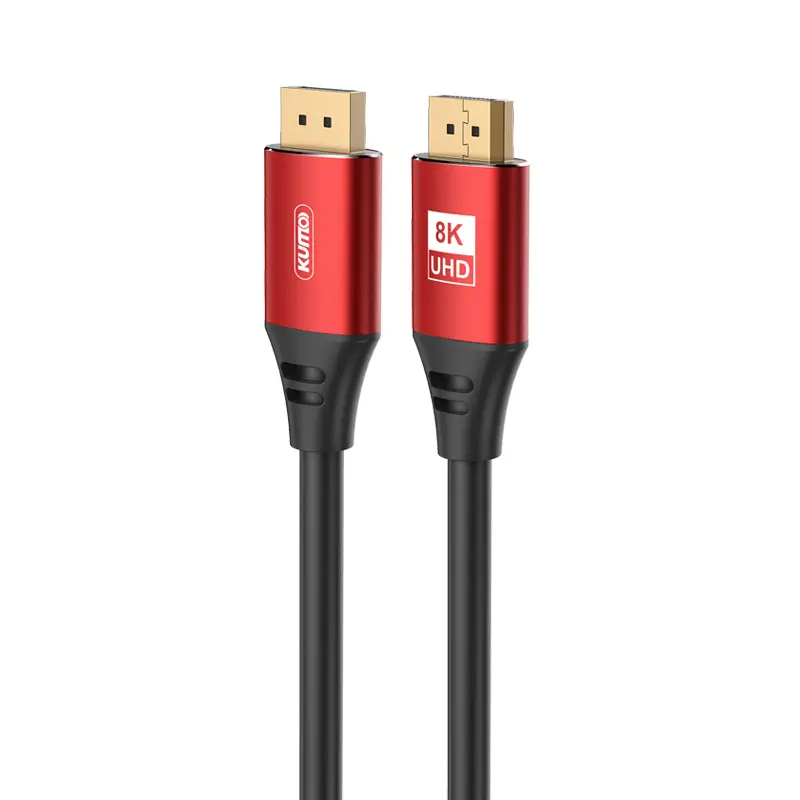 8K DisplayPort Cable
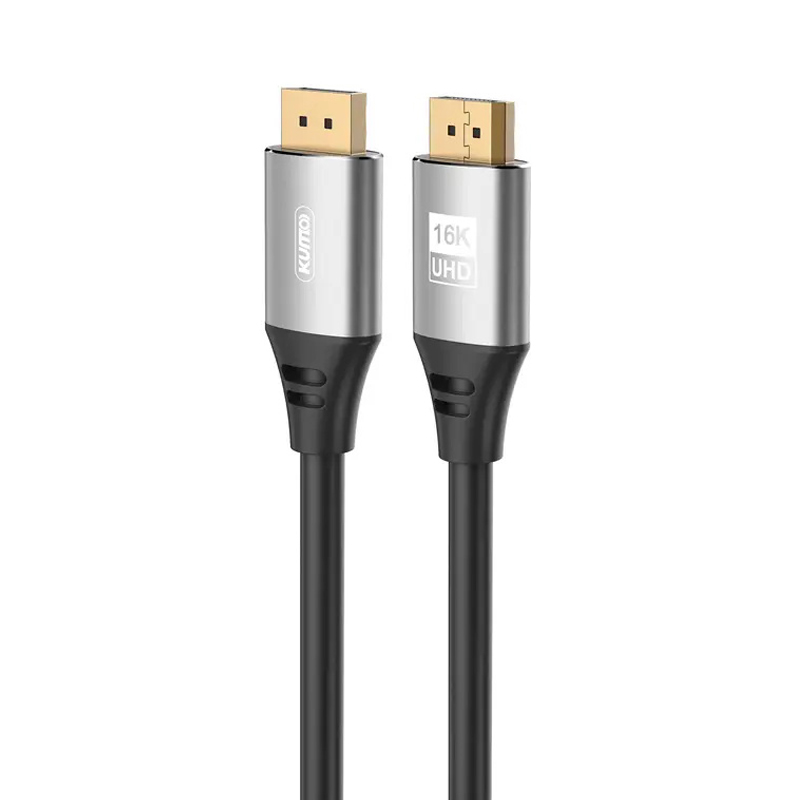 16K DisplayPort Cable
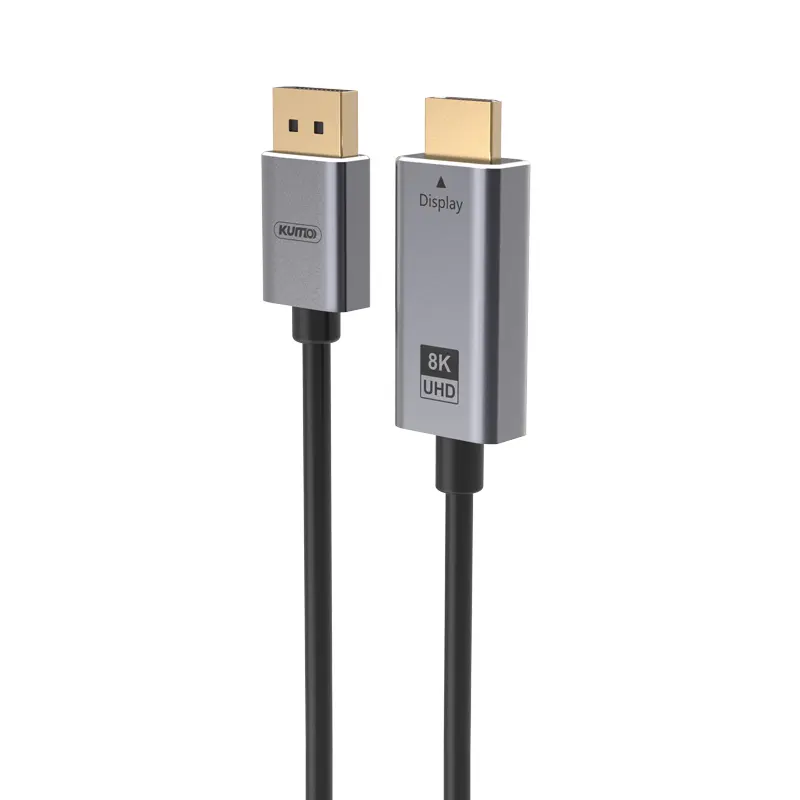 DisplayPort Conversion Cable
 XLR Cable
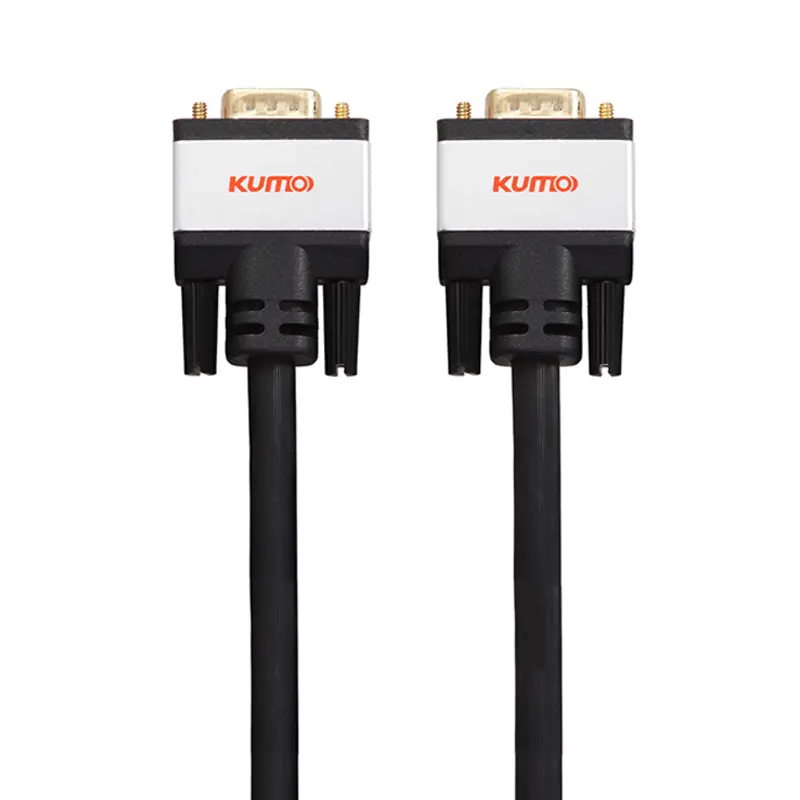 VGA Cable
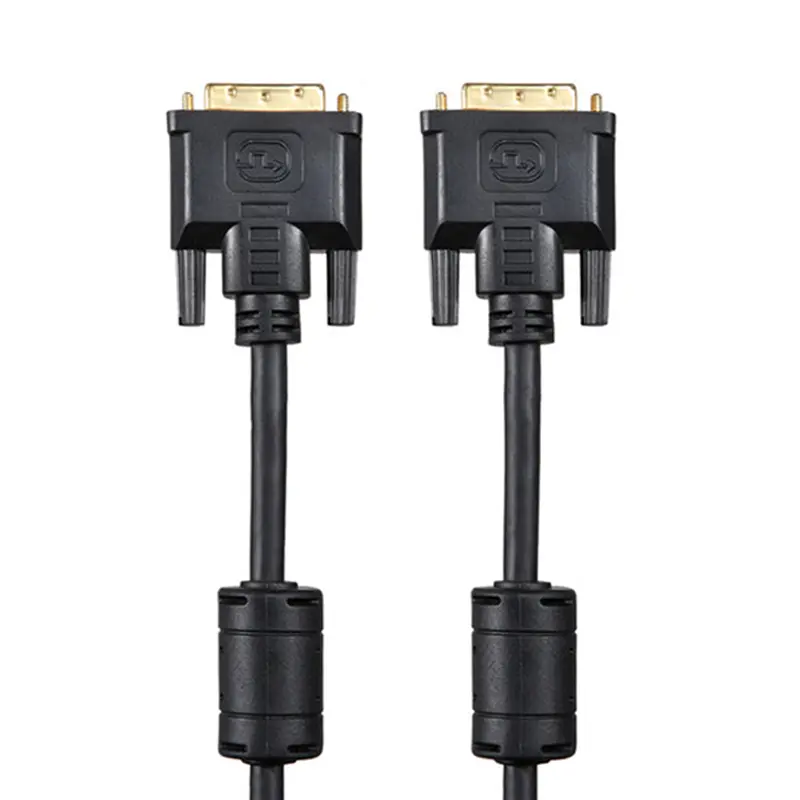 DVI Cable
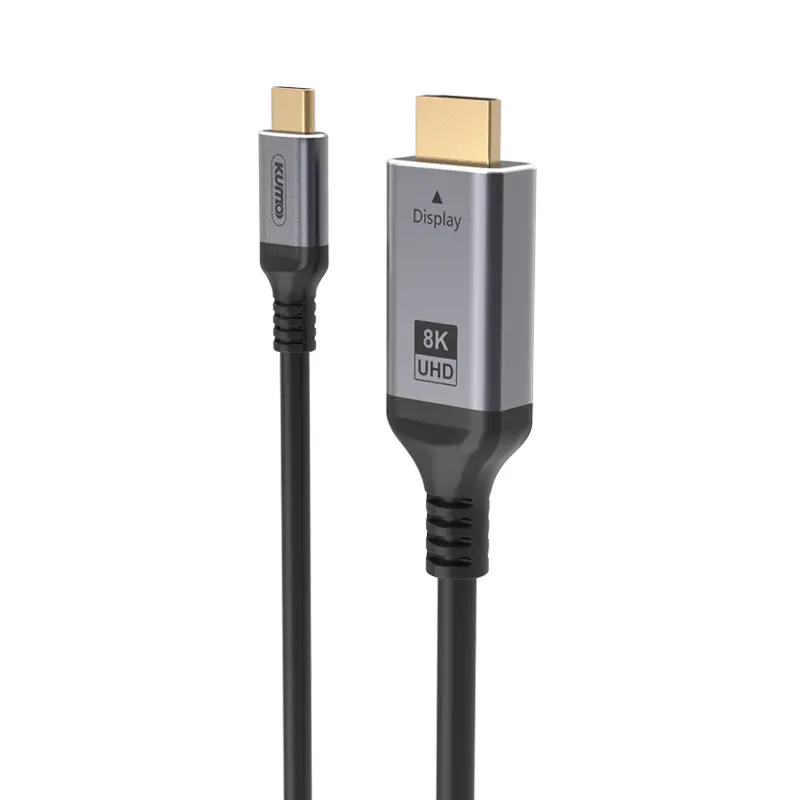 Type C To HDMI
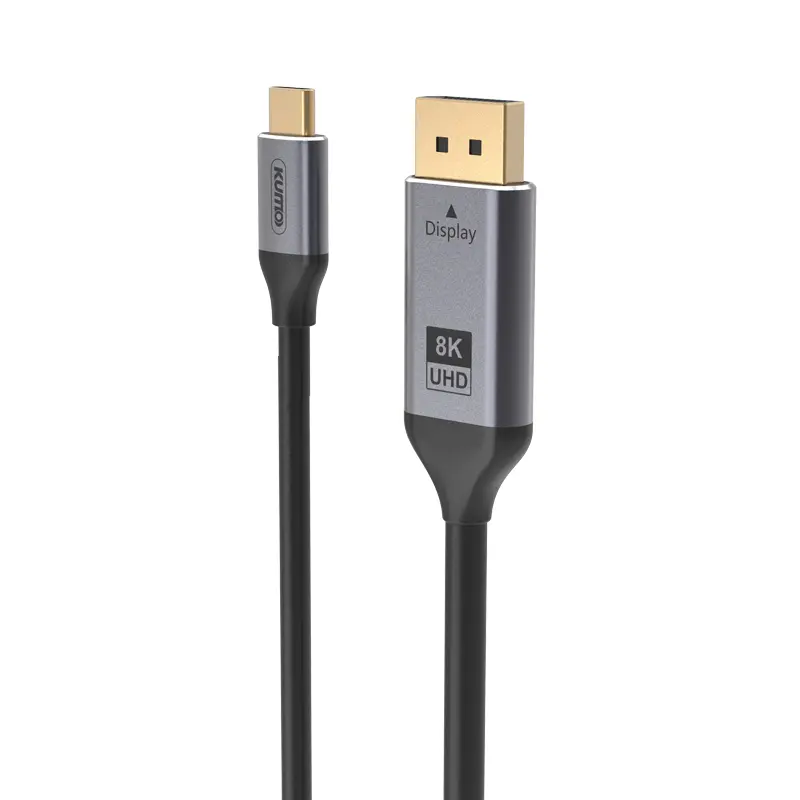 Type C to DP
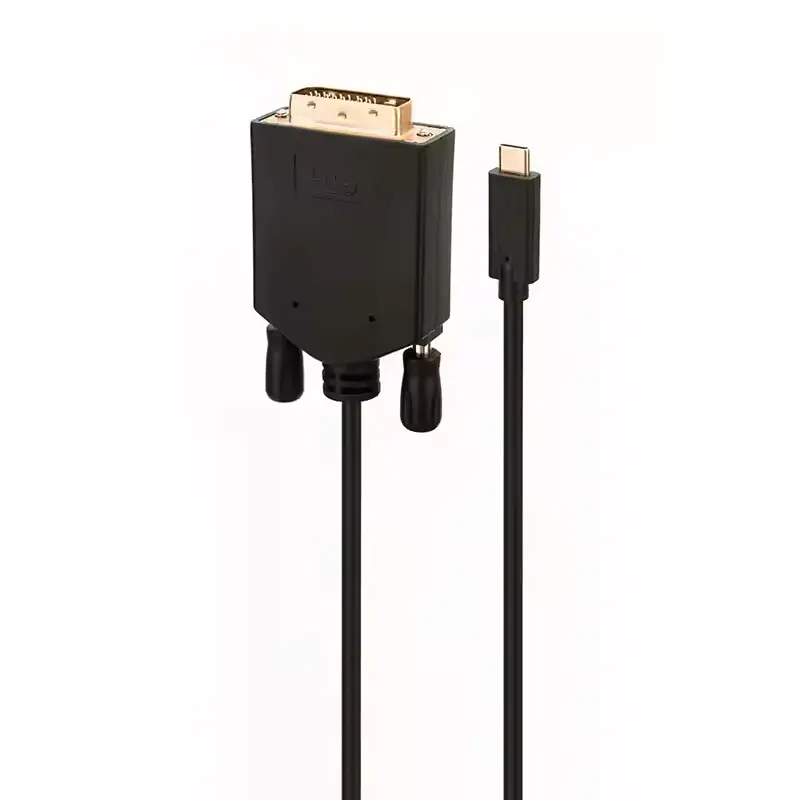 Type C to DVI
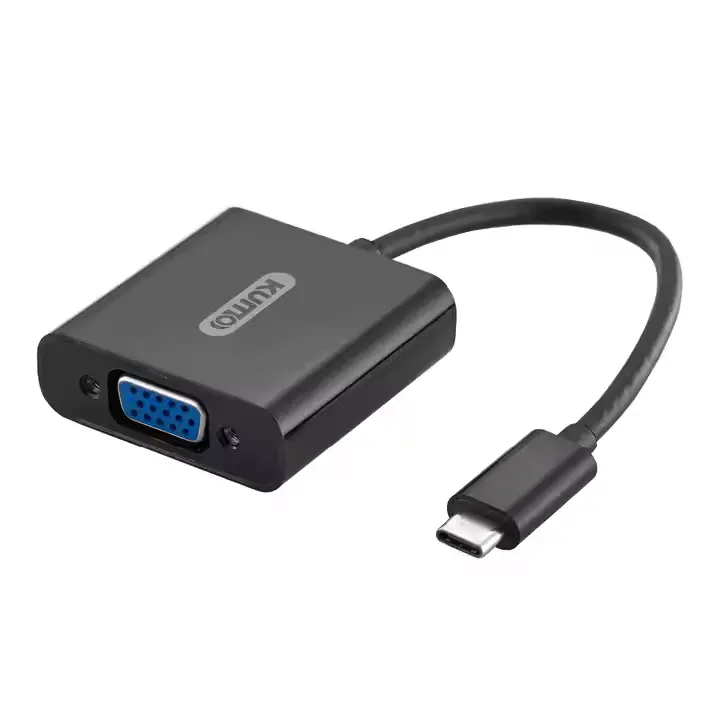 Type C Adapter
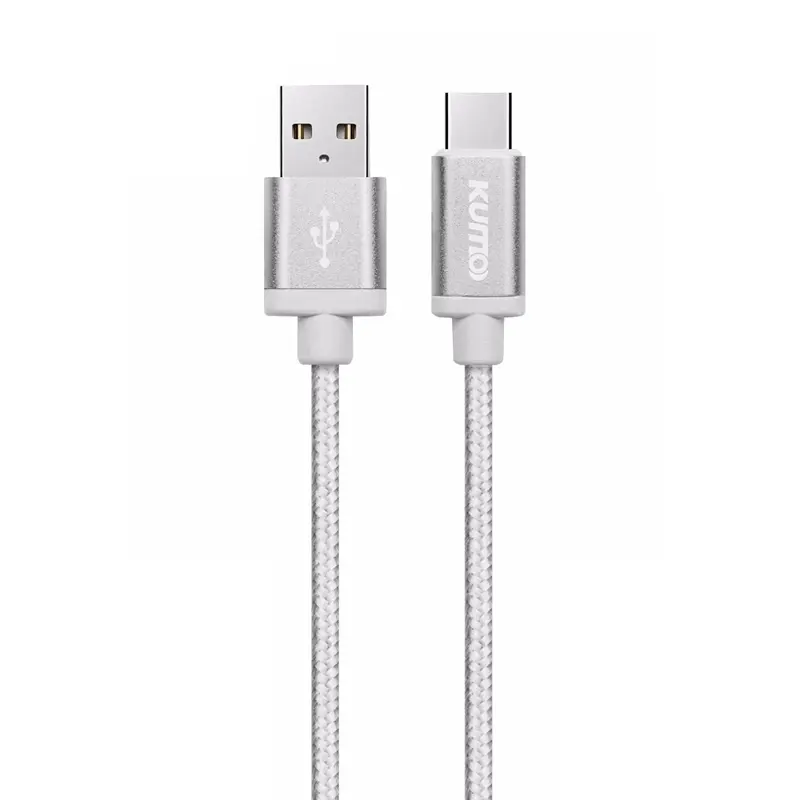 USB A to C Cable
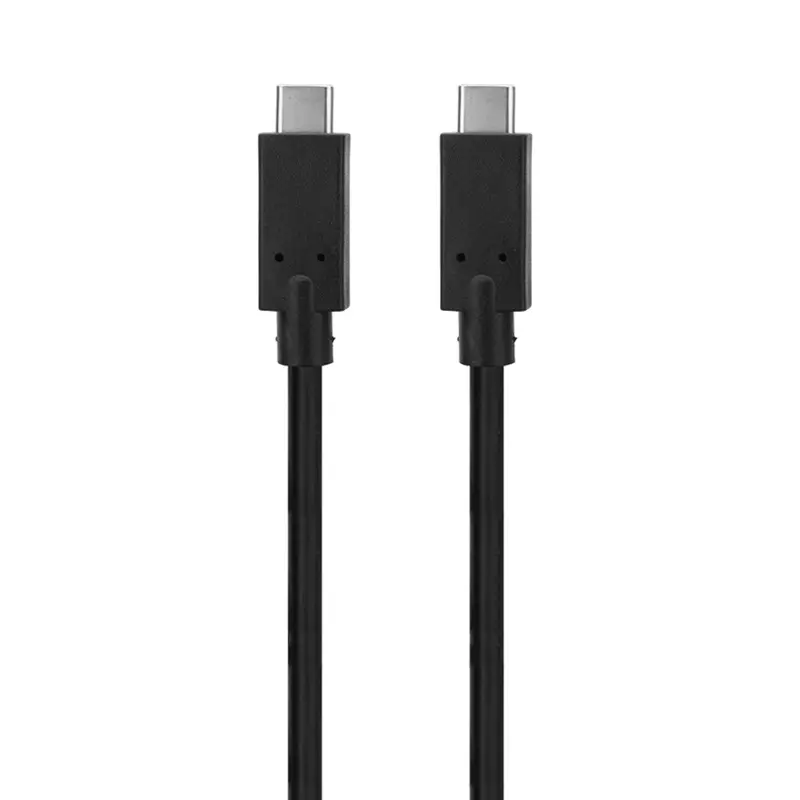 USB C to C Cable
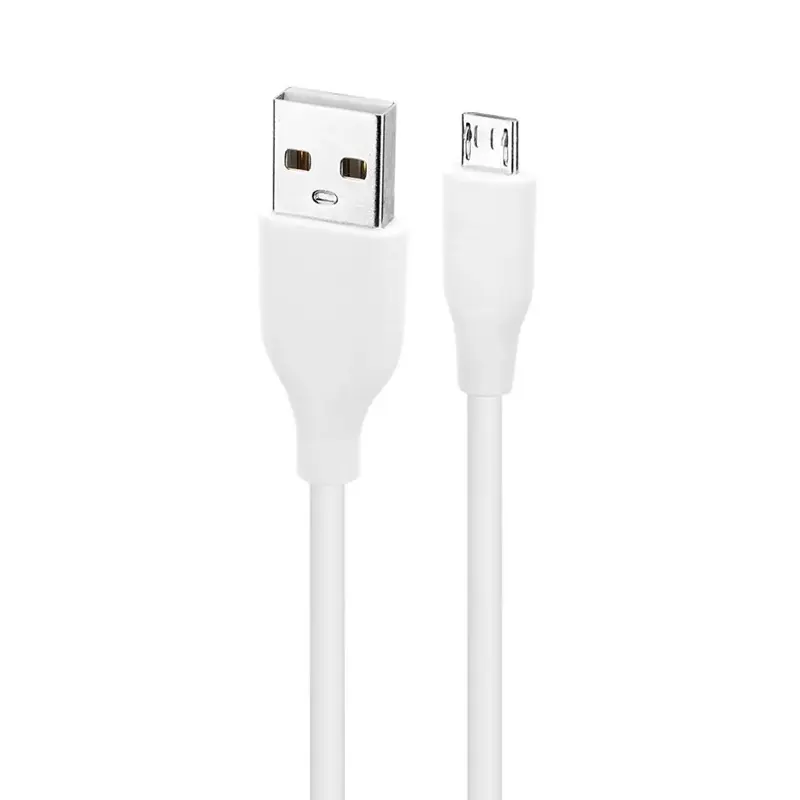 Micro USB Cable
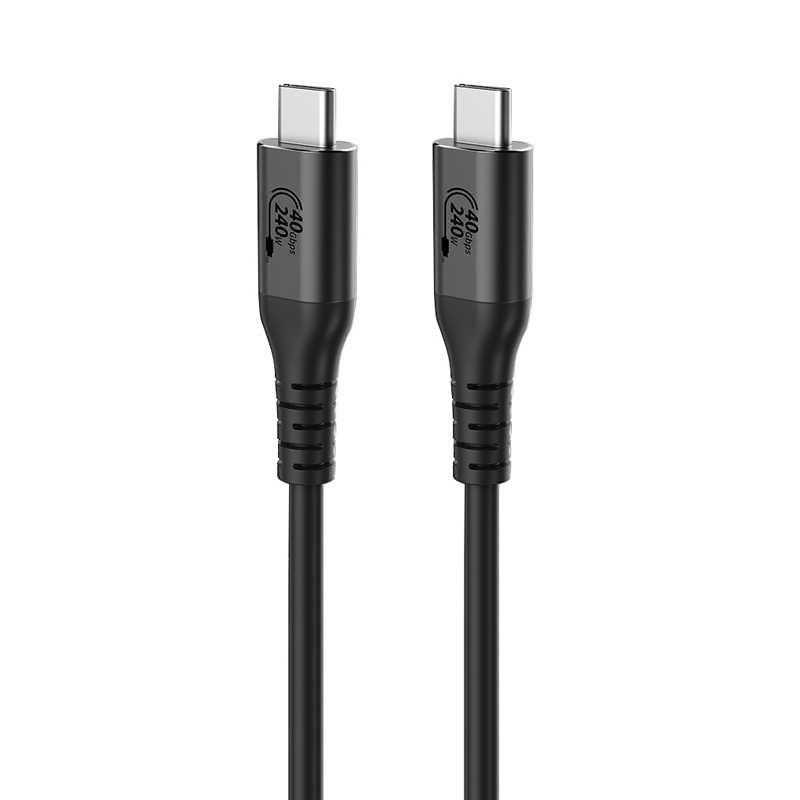 USB4 Cable


Cat5e and Cat6 Ethernet Cables: Which is Right for Your Network Needs?
Many people struggle with choosing the right Ethernet cable when setting up a network: should they choose Cat5e or Cat6? The former is economical and sufficient for basic daily internet and office needs; the latter offers stronger performance and greater potential; and there are differences between the two in terms of bandwidth, stability, and other aspects. Below, we will provide a detailed comparison to help you choose the right cable for your needs.
What is a CAT5e cable?
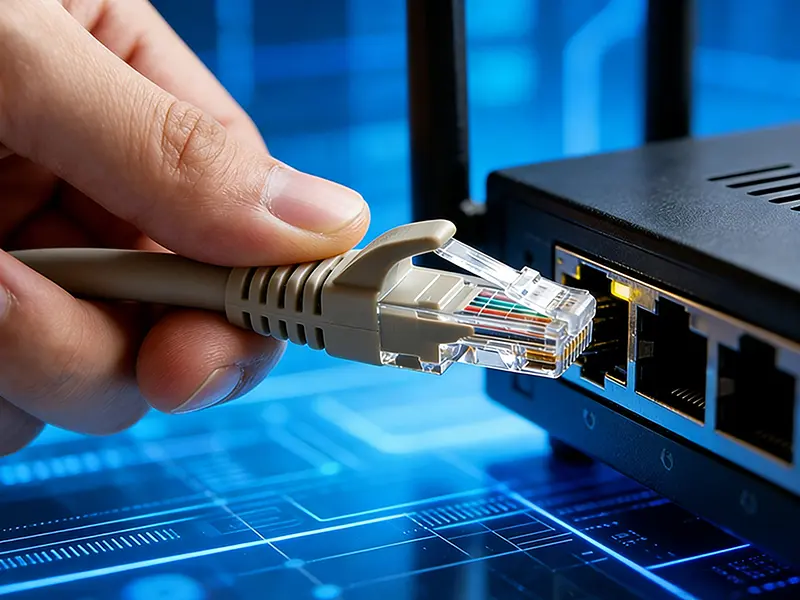
Cat5e, or Enhanced Category 5 cable, is an upgraded version of the Cat5 cable. It is designed to reduce crosstalk and can handle transmission speeds of up to 1 Gbps at a bandwidth of 100 MHz. Cat5e cables are commonly used in home and small business networks and are popular due to their combination of performance and cost-effectiveness. It consists of four pairs of twisted copper wires and is suitable for most basic network needs.
What is a CAT6 cable?
Cat6, or Category 6 cable, offers better performance than Category 5e (Cat5e). Its operating bandwidth is increased to 250 MHz, and it can support transmission speeds of up to 10 Gbps over short distances, making it particularly suitable for scenarios requiring high-speed file transfer, connecting gaming devices, or setting up high-definition surveillance systems. In addition, Category 6 cables have stricter specifications for crosstalk and system noise control, providing a more reliable and efficient connection. Like Category 5e cables, it also consists of four pairs of twisted wires, but uses more advanced insulation technology and a tighter twisting method, thereby improving overall performance.
Cat6 vs. Cat5e Comparison

- Bandwidth
Bandwidth is a key factor in determining the practicality of an Ethernet cable; it represents the data transmission capacity of the cable within a fixed time. CAT5e cables support a bandwidth of up to 100 MHz, which is sufficient for most home and office network needs. CAT6 cables support a bandwidth of up to 250 MHz. The higher bandwidth capacity makes CAT6 cables more suitable for high-intensity data transmission and high-speed internet connections. - Speed and Distance
Both CAT5e and CAT6 cables can provide efficient transmission speeds, with Cat6 having a more significant advantage in speed. CAT5e cables can support transmission speeds of up to 1 Gbps over a transmission distance of 100 meters. This transmission speed is sufficient to meet basic needs such as everyday internet browsing, file sharing, and standard-definition video playback;
On the other hand, CAT6 cables can achieve transmission speeds of up to 10 Gbps over shorter distances (up to 55 meters). This higher speed makes it the preferred choice for environments requiring high-speed data transfer and high-definition video content streaming. - Shielding Performance
Some CAT6 cables have an extra shielding layer that CAT5e cables typically lack. This helps prevent electromagnetic interference (EMI) from nearby devices (such as microwave ovens, power cords, or fluorescent lights). If you are running cables in an environment full of potential interference, the shielding of CAT6 can save you a lot of trouble. - Cable Thickness
Due to the added insulation and internal framework used to separate the wire pairs, CAT6 cables are generally thicker. This structure further reduces signal crosstalk and noise, but it also reduces the cable's flexibility, making installation through conduits and around corners more difficult, requiring extra care when routing in confined spaces. - Price Difference
While the price of CAT5E and CAT6 Ethernet cables varies depending on the manufacturer, CAT6 is generally more expensive. CAT6 cables are approximately 10% to 20% more expensive than CAT5E. Although slightly more expensive, it's definitely worth the investment if you're looking for a high-speed network!
Should I choose CAT5E or CAT6?
Choosing between Cat5e and Cat6 mainly depends on your current needs, future plans, and budget.
When to choose CAT5e:
- Limited budget, seeking high cost-effectiveness: If cost is your primary consideration, Cat5e offers significant cost-effectiveness, allowing you to meet basic network needs for less money.
- Network speed is 1 Gbps or less: If your current broadband or network equipment only supports a maximum speed of 1 Gbps, using Cat6 won't improve the speed and would be a waste of money.
- Everyday basic use: For ordinary home internet use, watching TV shows, browsing the web, and sharing small files, Cat5e is perfectly adequate.
- Easy rewiring in the future: If rewiring won't be too much trouble when you want to upgrade your network cable later, choosing Cat5e as a temporary solution is a good option.
When to choose CAT6:
- Future-proof your network: If you plan to upgrade to 2.5Gbps, 5Gbps, or even 10Gbps high-speed networks in the coming years, Cat6 can reliably support these high bandwidth demands within 55 meters, avoiding the need for rewiring later.
- High bandwidth application needs: For frequent viewing of 4K/8K ultra-high-definition videos, playing large online e-sports games, or frequently transferring large files, Cat6 provides a smoother and more stable experience.
- Businesses/small offices with high data demands: Cat6 can handle multiple users and larger network traffic more efficiently.
- Suitable for Power over Ethernet (PoE) devices: Cat6's thicker copper wires handle PoE more effectively, reducing heat buildup and power loss over long distances.
- Difficult wiring and troublesome future replacement:In situations where wiring is difficult to change later, such as in-wall or ceiling wiring, installing Cat6 in advance avoids the hassle and extra costs of rework later.
- Environments with high electromagnetic interference (EMI): When there are high-power appliances, servers, and other sources of interference nearby, Cat6's shielding design and internal structure provide better interference resistance, ensuring network stability.
Frequently Asked Questions
1. Is Cat5e better than Cat6 for home networks?
For most home networks, Cat5e is perfectly sufficient. It supports Gigabit Ethernet speeds and a transmission distance of up to 100 meters, meeting basic needs such as daily internet use and multimedia entertainment. Cat6, on the other hand, offers higher bandwidth and better shielding performance, making it more future-proof and more suitable for environments with high data demands or significant interference.
2.What is the difference between unshielded and shielded Cat6 cables?
Shielded Cat6 cables have an extra protective layer that reduces interference, making them ideal for environments with high electromagnetic noise.
3. Can Cat6 network cables meet gaming needs?
Absolutely. Cat6 cables are ideal for gaming. They can handle high-speed transmission and offer better transmission coverage than ordinary home network cables, making them an ideal choice for online gaming. Even in networks connecting multiple devices, Cat6 can easily meet the bandwidth and low latency requirements of most modern games.