How to Choose the Best USB Type C to DisplayPort Adapter?
In today's fast-paced digital era, selecting the right **USB Type C to DisplayPort adapter** has become increasingly crucial. According to a recent report by the International Data Corporation (IDC), the market for accessories like adapters is expected to grow by 15% annually. With the surge of devices utilizing USB Type C technology, consumers face a myriad of choices. However, not all adapters are created equal.
As a user, you might encounter compatibility issues, signal quality concerns, and varying power delivery capabilities. It’s important to consider factors such as resolution support and refresh rates. For instance, some adapters only support 4K at 30Hz, while others can handle 4K at 60Hz. This discrepancy can affect your viewing experience significantly.
Many users overlook brand reliability, which is vital. Industry leaders often provide products that have undergone rigorous testing. Research shows that users report 80% fewer issues with reputable brands. Hence, making an informed choice on a **USB Type C to DisplayPort adapter** can save time and enhance your digital experience, but it requires careful thought and analysis.
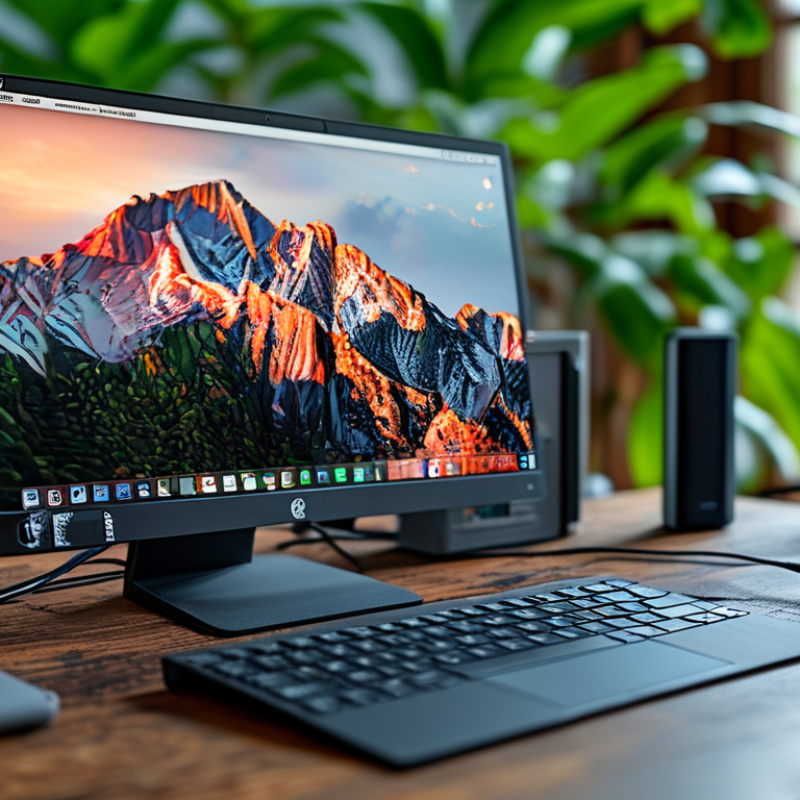
Understanding USB Type C and DisplayPort Compatibility
When choosing the right USB Type C to DisplayPort adapter, compatibility is crucial. USB Type C has gained popularity for its versatility. It supports video, audio, and data transfer simultaneously. According to the USB Implementers Forum, over 1.3 billion USB Type C devices were shipped in 2022 alone. It's essential to recognize that not all USB Type C ports support DisplayPort output. Some may only provide power or basic data transfer.
DisplayPort is a robust video interface. It can deliver 4K resolution at 60Hz or even 8K at 30Hz, depending on the version. Data from the Video Electronics Standards Association highlights that DisplayPort's growth is impressive, with a 15% increase in adoption year-over-year. When selecting an adapter, check if your device supports DisplayPort Alternate Mode. This feature enables the output of video signals. Without it, attempts to connect to a DisplayPort monitor will fail.
Compatibility issues often arise from overlooked specifications. Ensure the adapter adheres to DisplayPort standards. Mismatched versions can lead to frustrating experiences, such as poor resolution or connectivity failures. For example, using a USB Type C device with a USB 2.0 adapter can limit performance. Real-world user reports indicate that many initially overlook this, resulting in dissatisfaction. Doing thorough research on compatibility can save time and avoid pitfalls in the long run.
Key Features to Look for in USB Type C to DisplayPort Adapters
When selecting a USB Type C to DisplayPort adapter, users should focus on several key features. First, consider the resolution support. Many adapters can handle 4K resolution at 60Hz, offering vibrant visuals. This feature is essential for gamers and designers who need high-quality displays. Some adapters only support 30Hz at 4K. Ensure your chosen adapter meets your needs, especially if you plan to use multiple monitors.
Next, check the build quality. An adapter made from durable materials will withstand regular use. Look for ones with reinforced connectors. Poorly made adapters can wear out quickly, causing connectivity issues. It's worth noting that not all adapters are created equal. Some might work inconsistently with certain devices, leading to frustration. Read user reviews for insights on reliability.
Another aspect is compatibility. Make sure the adapter supports your specific device and any required protocols. Not all USB Type C ports support DisplayPort Alt Mode, which is necessary for video output. If your device lacks this capability, the adapter might not function as expected. Some users overlook this, causing unnecessary complications in their setup. A little research beforehand can save time and hassle later.
Assessing Build Quality and Durability of Adapters
When choosing a USB Type C to DisplayPort adapter, assessing build quality and durability is essential. A well-constructed adapter typically uses premium materials, such as sturdy plastics and aluminum housing. Aluminum offers better heat dissipation, which helps maintain performance during extended use. Subpar materials may lead to early wear and tear, affecting signal quality over time.
Check connector strength as well. Connectors that are too flimsy can easily break when plugged or unplugged. Reinforced connectors are a better choice. Additionally, look for adapters with braided cables. Braided cables are often more resilient against fraying, compared to standard plastic cables. This can significantly extend the lifespan of your adapter.
It’s also important to consider user reviews. Many users share real experiences regarding reliability. Don't hesitate to dig through feedback to gauge which adapters hold up under daily usage. Adapters that fail frequently in common tasks may indicate potential quality issues. Balancing cost with reliability often requires careful thought and consideration.
Evaluating Performance: Resolution and Refresh Rates
When selecting a USB Type C to DisplayPort adapter, performance is critical. Focus on resolution and refresh rates. These factors greatly impact your viewing experience, especially in gaming and professional settings.
Resolution matters significantly. Many modern displays support 4K resolution at 60 Hz. However, not all adapters deliver this performance. According to industry reports, only 30% of budget adapters can sustain 4K at the desired frame rates. Investing in a reliable adapter is essential for quality output.
Refresh rates determine how smooth motion appears. A higher refresh rate, such as 144 Hz, provides fluid visuals for gaming. Yet, many users find that adapters rated only for 60 Hz can underperform at higher resolutions. This discrepancy highlights the need for careful selection. Look for adapters certified for high performance, as failures can lead to frustrating experiences.
Ultimately, while performance ratings guide your choice, real-world usage can differ. Observing conditions, such as cabling and hardware compatibility, often reveals imperfections. Adaptability to different devices should also be assessed. Always check for updated certifications to ensure reliability and optimal performance.
Reading User Reviews and Recommendations for Trusted Choices
When selecting the best USB Type C to DisplayPort adapter, user reviews are invaluable. They provide real-world experiences from people like you. Look for comments that highlight performance. Users often share insights on resolution support and display quality. Many highlight the difference in color accuracy and refresh rates. This feedback can guide your choice toward a reliable adapter.
Consider the common issues users face. Some reports indicate compatibility problems with certain devices. This is a crucial factor to note. Check if reviewers mention their specific devices. It helps you understand if an adapter will work for you. Durability is another point of concern. Many consumers share their durability issues. An adapter might work well at first, but can fail after repeated use.
Tracking down trusted recommendations can be a challenge. Some reviews seem overly positive, raising red flags. Look for balanced opinions that mention both pros and cons. Authentic feedback helps you avoid pitfalls. A thoughtful approach to user reviews can lead you to a solid choice. Stay cautious and informed as you navigate through the options.
USB Type C to DisplayPort Adapter User Ratings

 USB C Docking & Hub
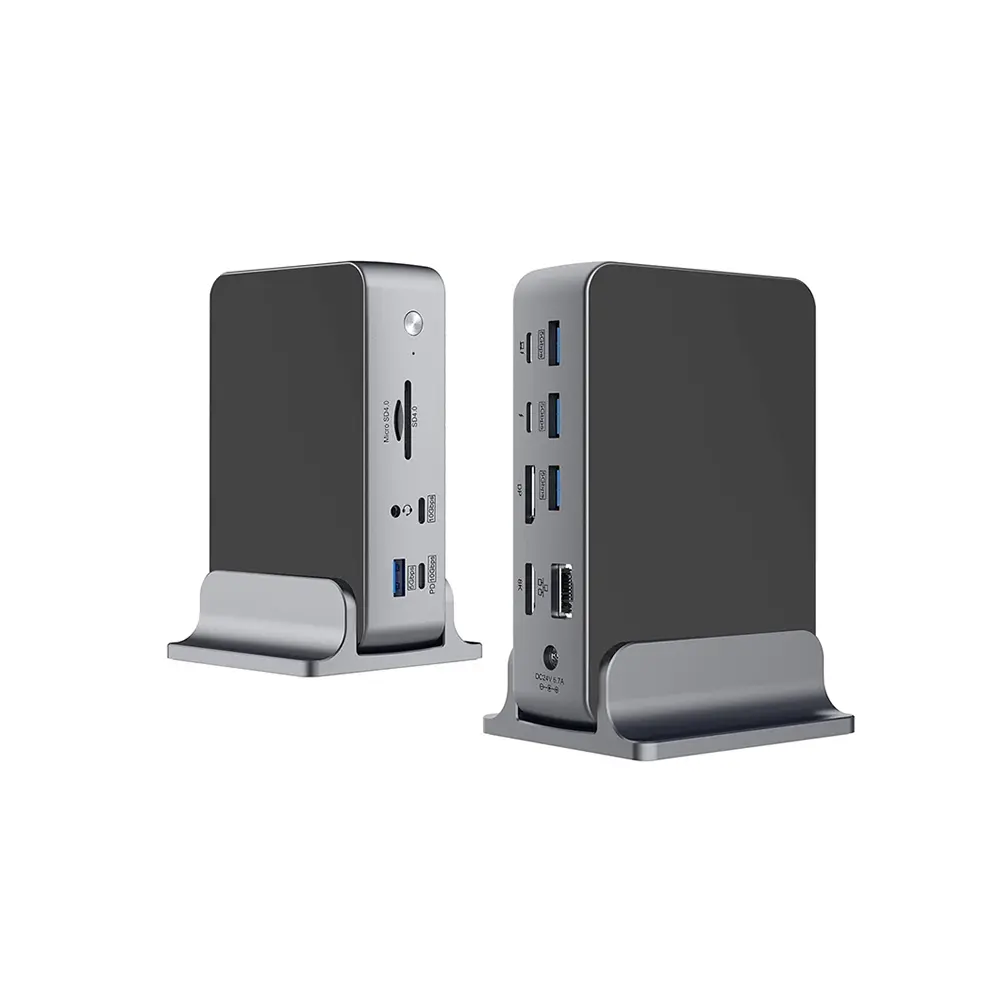 USB C Docking Station
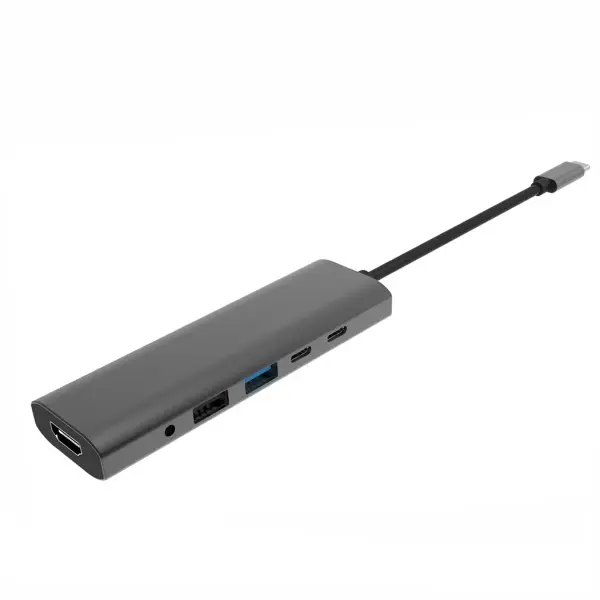 USB C Hub-H Series
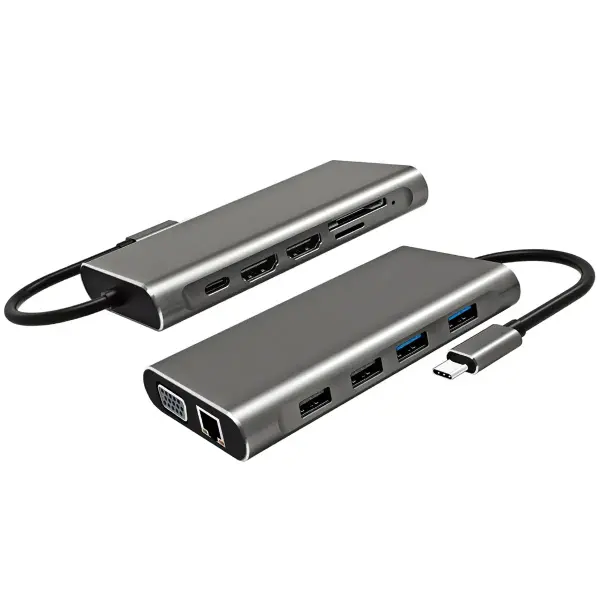 USB C Hub-H Series High End
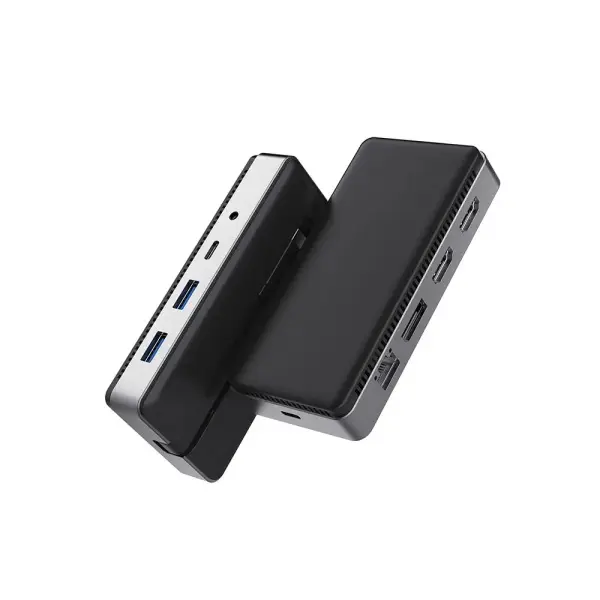 USB C Hub-X Series High End
 HDMI Cable
 4K HDMI Cable
 8K HDMI Cable
 16K HDMI Cable
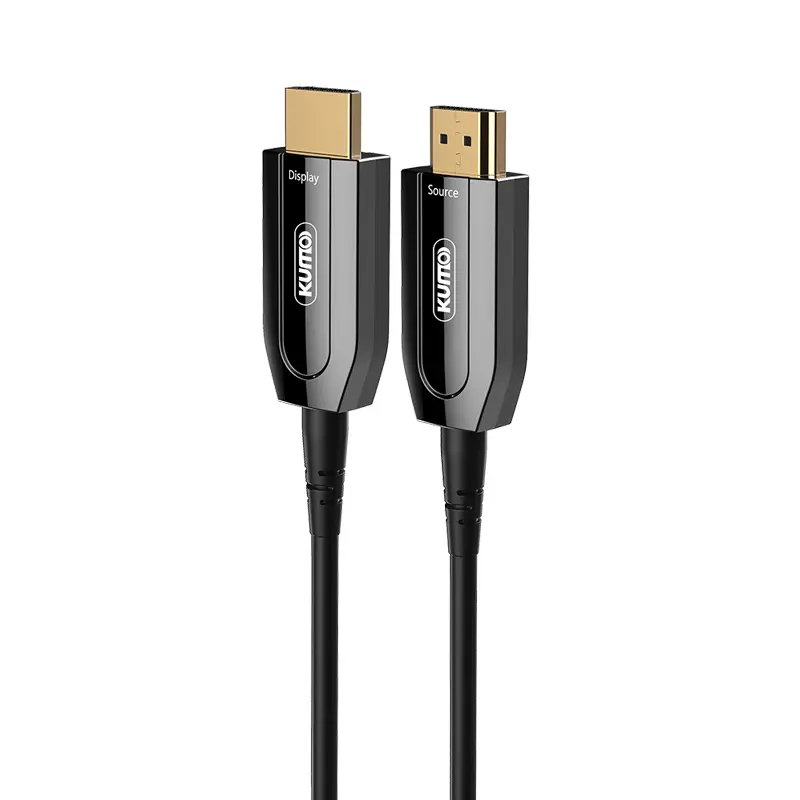 AOC HDMI Cable
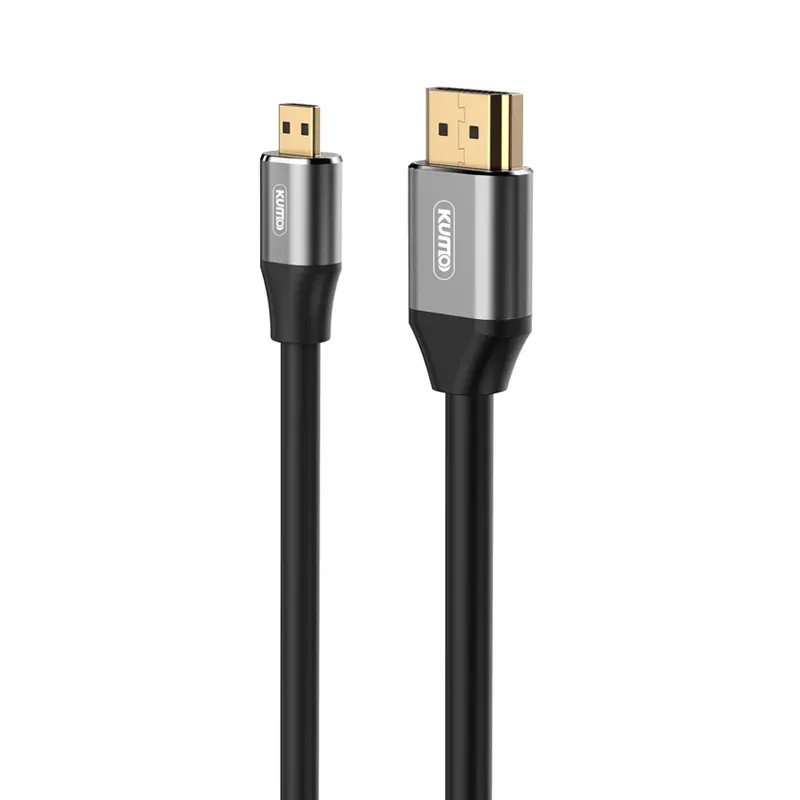 HDMI Conversion Cable
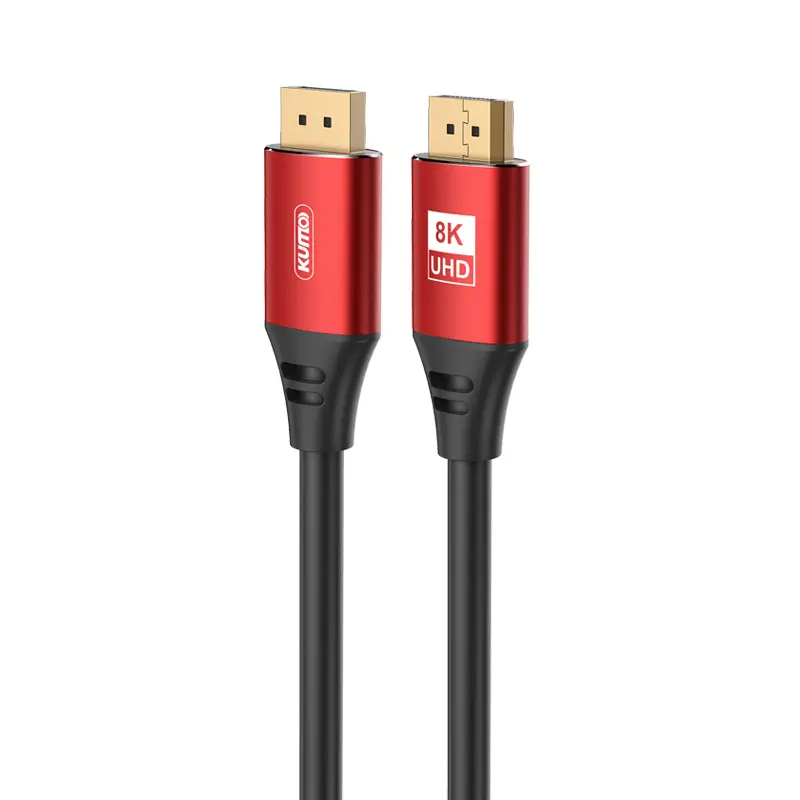 8K DisplayPort Cable
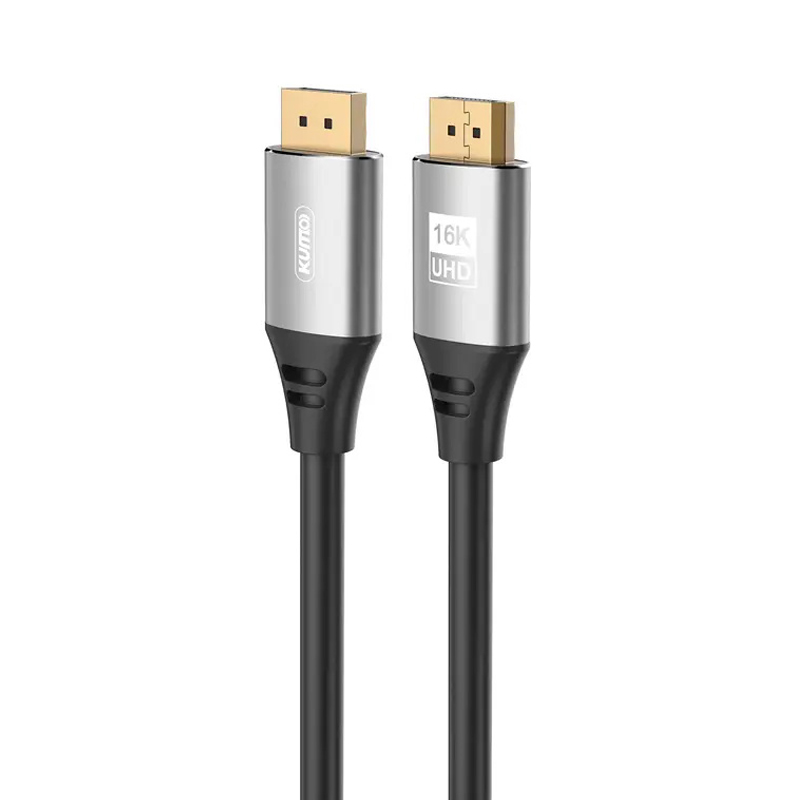 16K DisplayPort Cable
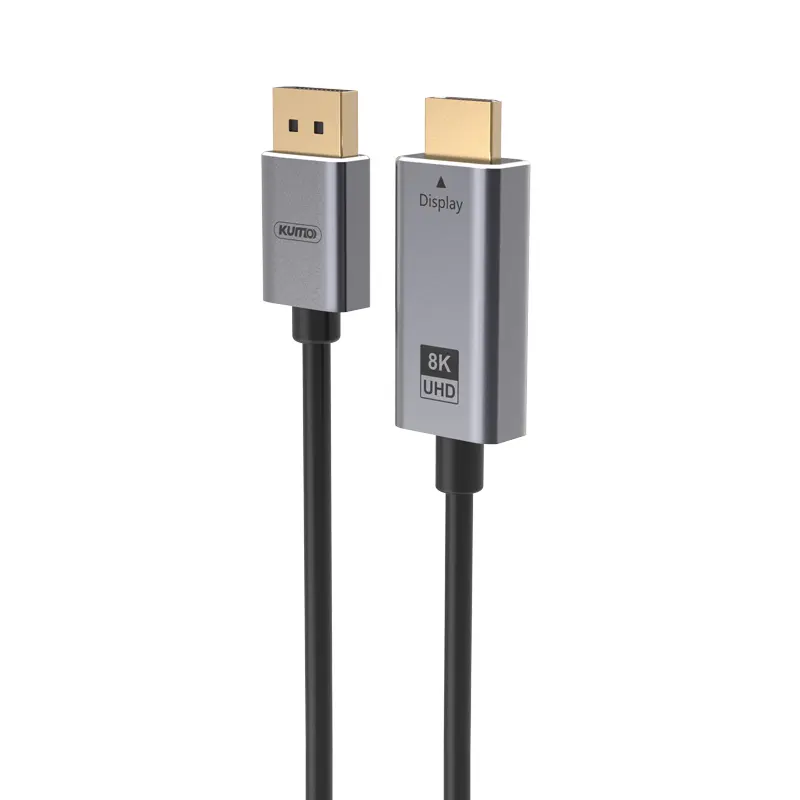 DisplayPort Conversion Cable
 XLR Cable
 VGA Cable
 DVI Cable
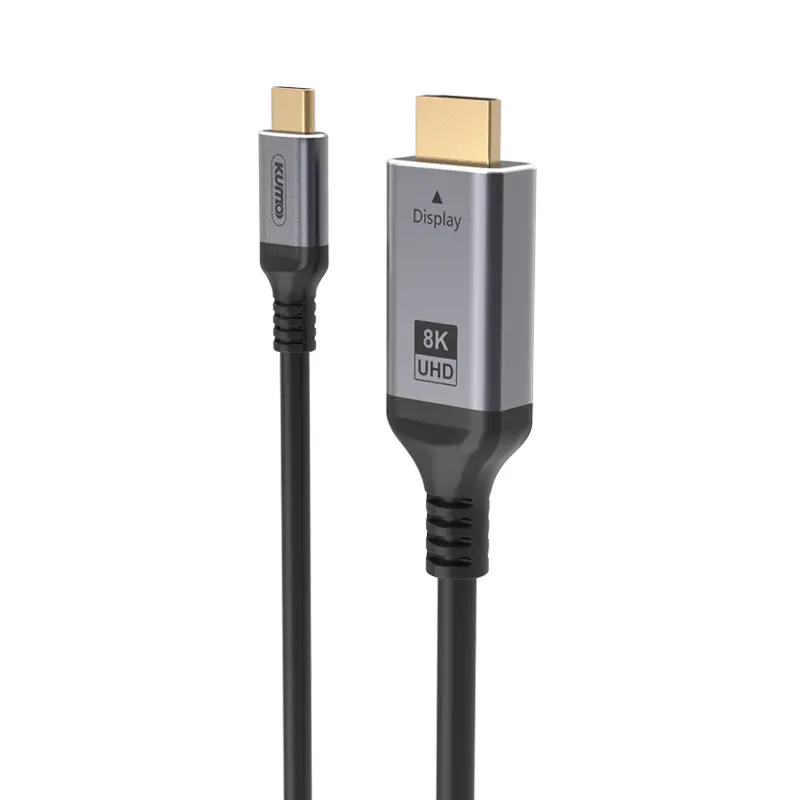 Type C To HDMI
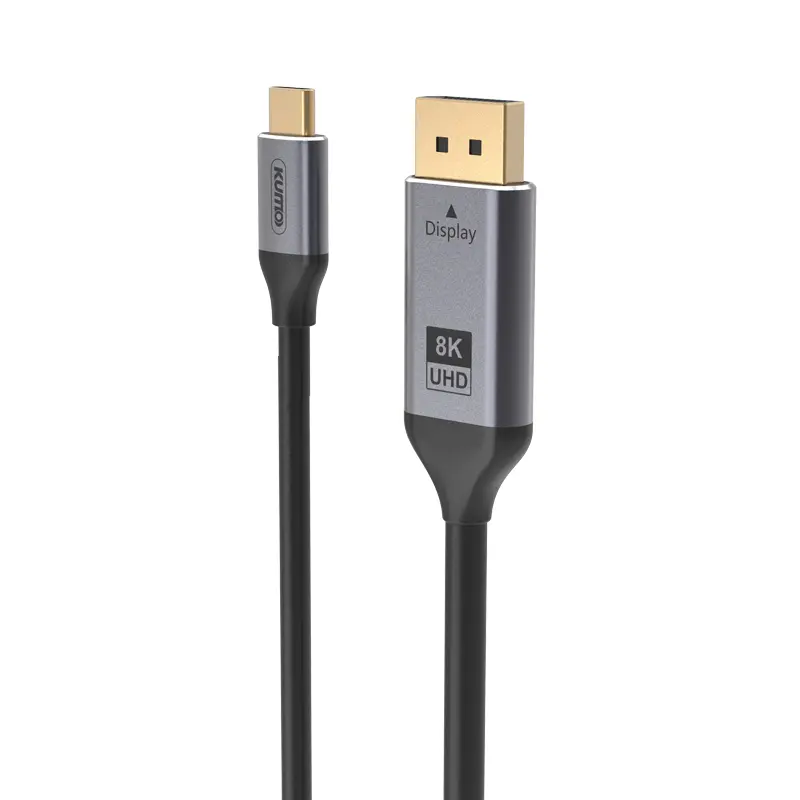 Type C to DP
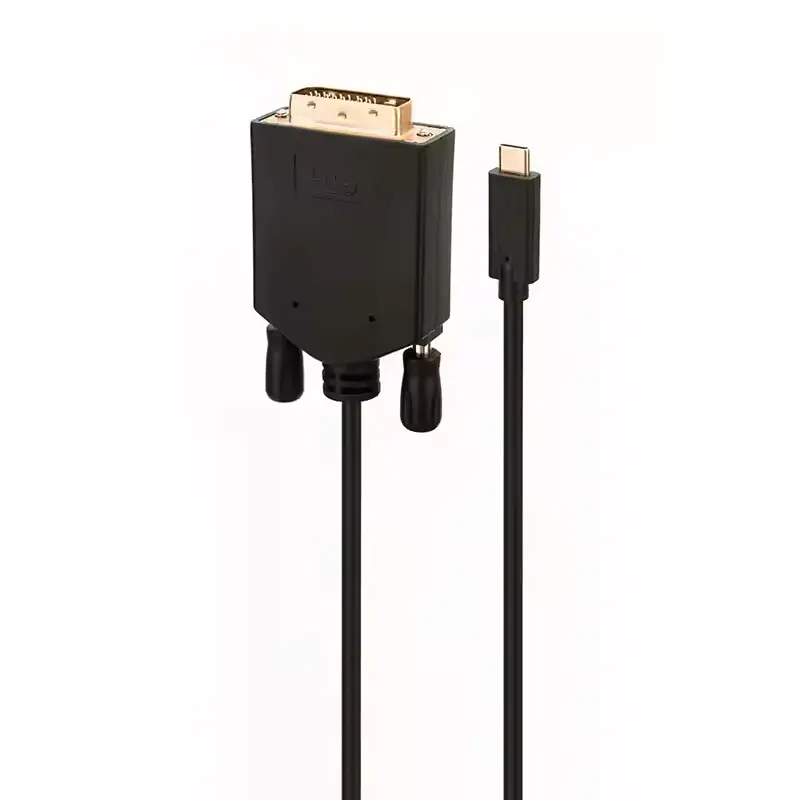 Type C to DVI
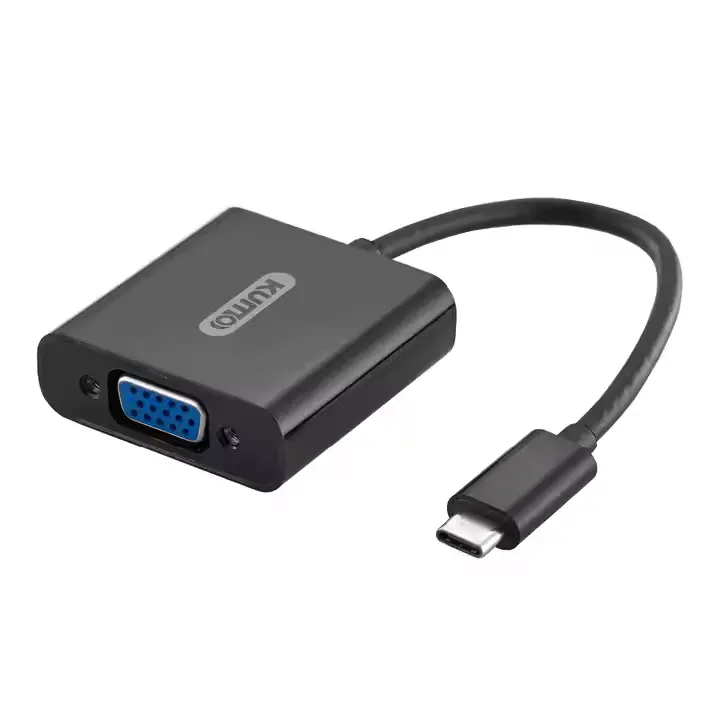 Type C Adapter
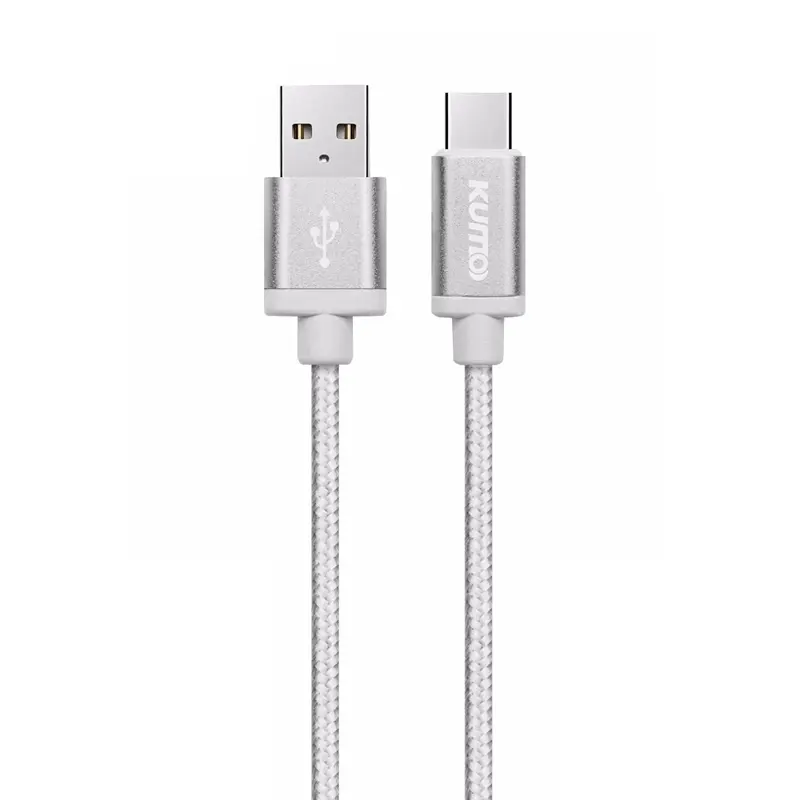 USB A to C Cable
 USB C to C Cable
 Micro USB Cable
 USB4 Cable