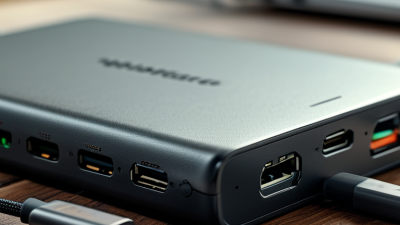
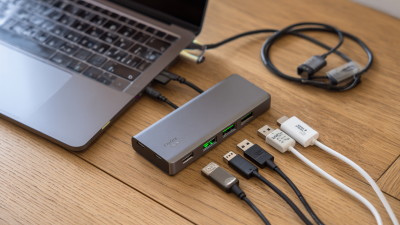
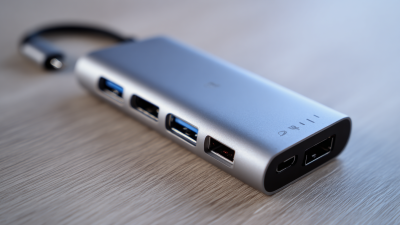
Why Choose a Docking Station USB C Adapter for Your Devices?
In today's fast-paced tech environment, versatility is key. A Docking Station USB C Adapter serves as a hub for multiple devices. It connects laptops, tablets, and smartphones seamlessly, enriching your digital experience.
Many users find themselves frustrated with limited connectivity options. With a Docking Station USB C Adapter, you can access HDMI, USB-A, and Ethernet ports in one compact solution. This convenience boosts productivity and simplifies workspaces.
However, not all adapters are created equal. Some may lack essential features or reliability. It's essential to choose one from a reputable brand. Quality matters for both performance and safety. Prioritize options that have positive reviews from experienced users.
Benefits of Using a USB C Docking Station for Device Connectivity
A USB C docking station enhances connectivity for your devices significantly. With a single connection, you can connect multiple peripherals. These include monitors, keyboards, mice, and external drives. This seamless integration simplifies your workspace and improves productivity. Users often find the ability to use dual monitors particularly beneficial. It allows for better multitasking, as you can view different applications side by side.
Moreover, a docking station supports power delivery. This means you can charge your device while using it, eliminating the need for multiple chargers. Some users appreciate the neat and organized setup it provides. However, there are instances where compatibility may be an issue. Not all devices work perfectly with every docking station. It’s essential to research compatibility to avoid frustration.
Using a USB C docking station can also promote a clutter-free desk. Fewer cables mean a cleaner work environment. Yet, accessibility can vary; some devices may require additional adapters. There’s also the learning curve of managing connections. Overall, the benefits of enhanced connectivity, efficient charging, and organized space make it a worthwhile investment for many users.
Key Features to Look for in USB C Docking Stations
When selecting a USB-C docking station, key features are essential to consider for optimal performance. Look for multiple ports. Most modern docking stations offer USB-A, HDMI, and Ethernet options. According to a report from IDC, the demand for versatile connectivity solutions has increased by 42% in recent years. This growth stems from the need for seamless device integration in diverse workspaces.
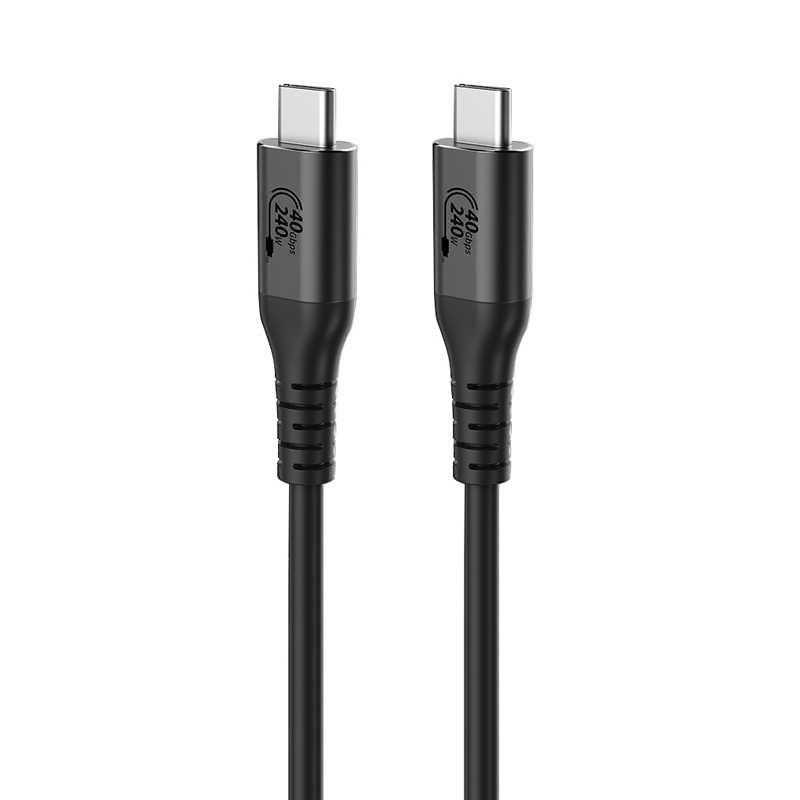
Consider data transfer speeds. Many USB-C docking stations support Thunderbolt 3, allowing data transfer rates of up to 40 Gbps. This is particularly important for professionals working with large files, such as video editors. A report from Gartner highlights that faster data transfer can significantly enhance productivity, with efficiency rises of nearly 30% when using high-speed connections.
Display capabilities are another crucial aspect. Look for stations that support dual or triple monitor setups, which can enhance multitasking. The visualization flow can sometimes be chaotic. Often, multi-monitor setups lead to distractions. However, they can also improve focus when used thoughtfully. As remote work increases, the significance of these features becomes clearer. Embracing such technology can greatly impact your daily tasks.
Compatibility with Various Devices: What You Need to Know
When considering the use of a Docking Station USB C Adapter, compatibility is crucial. Many devices today, from laptops to smartphones, utilize USB C connections. These adapters can bridge connections between different ports, making it easier to connect various peripherals like monitors, keyboards, and external drives. This versatility is particularly beneficial for professionals who often switch between devices.
However, not all USB C adapters are created equally. Some may only support basic functions, while others can deliver power and extend display capabilities. It's important to check the specifications. For instance, a powerful adapter might support a dual-monitor setup, while a simpler one may struggle with just one external display. Understanding these details can help prevent frustration.
The challenge lies in ensuring your device aligns with the adapter’s features. Many users overlook important specifications. A quick review can save time and enhance productivity. It’s worth noting that while some devices might claim compatibility, the real-world performance can vary. Conducting thorough research before purchasing will lead to better satisfaction with your technology investments.
Device Compatibility with USB-C Docking Station Adapters
This chart illustrates the compatibility of various devices with USB-C docking station adapters. The data reflects the percentage of users who report compatibility issues with different device types.
Enhancing Productivity: Multi-Display Support and Peripheral Integration
When it comes to enhancing productivity, a Docking Station USB C Adapter can be a game changer. Multi-display support is crucial in today’s fast-paced work environments. According to a recent report from IDC, workers using multiple displays have seen their productivity increase by up to 30%. This statistic highlights the value of being able to connect multiple monitors seamlessly through a single USB-C port.
A docking station not only offers the ability to integrate several displays but also allows users to connect various peripherals. This can include keyboards, mice, and external storage devices. A study from Gartner indicates that over 50% of professionals prefer setups that reduce cable clutter while enhancing device compatibility. The ease of connecting multiple devices without hassle is a significant factor that aids in maintaining focus and workflow efficiency.
Despite these advantages, it's important to consider potential drawbacks. Some users may experience compatibility issues with older devices or limited support for certain functionalities. Additionally, the performance of some docking stations may vary, leading to frustrations during high-stakes tasks. Understanding these elements is essential for making informed choices that truly bolster productivity.
Why Choose a Docking Station USB C Adapter for Your Devices?
| Feature |
Description |
Benefits |
| Multi-Display Support |
Connects multiple monitors for increased workspace. |
Enhances productivity by allowing users to view multiple applications simultaneously. |
| Peripheral Integration |
Connects various devices like keyboards, mice, and printers. |
Streamlines the workspace by reducing cable clutter and improving device connectivity. |
| Power Delivery |
Charges devices while connected to peripherals. |
Eliminates the need for multiple chargers, keeping workspace tidy and devices powered. |
| Compact Design |
Portable and lightweight for easy transport. |
Ideal for professionals on-the-go or those with limited desk space. |
Portability and Convenience: The Advantage of USB C Adapters
USB C adapters are crucial in our increasingly mobile world. They provide seamless connectivity between various devices, minimizing the need for multiple cables. According to a recent industry report, 70% of users prefer USB C adapters for their portability. This trend signifies a shift towards devices that are adaptable and efficient.
The convenience of USB C adapters cannot be overstated. Many models are compact, making them easy to carry in a bag or pocket. A 2023 survey revealed that 65% of professionals carry a USB C adapter daily. Users value the simplicity of connecting to projectors, monitors, and storage devices with one small accessory. However, while these adapters enhance functionality, not all adapters support high-speed data transfer or charging. It’s important to assess which models meet specific needs.
In the realm of technology, not every USB C adapter matches all devices. Some users experience frustration due to compatibility issues or lack of performance. Reports show that nearly 40% of consumers have faced such challenges. Investing in high-quality options may alleviate these concerns. But this comes at a price, as users must balance cost versus reliability. Embracing USB C technology means understanding its strengths and limitations.

 USB C Docking & Hub
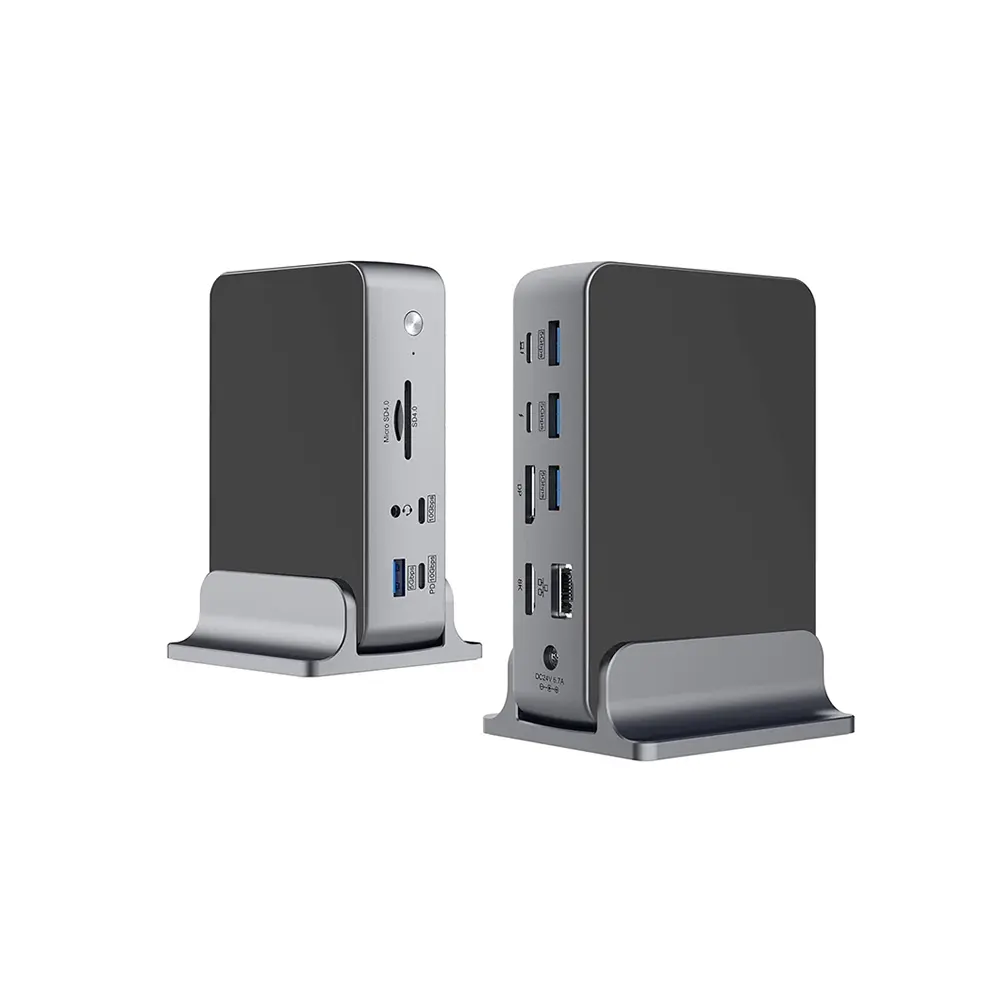 USB C Docking Station
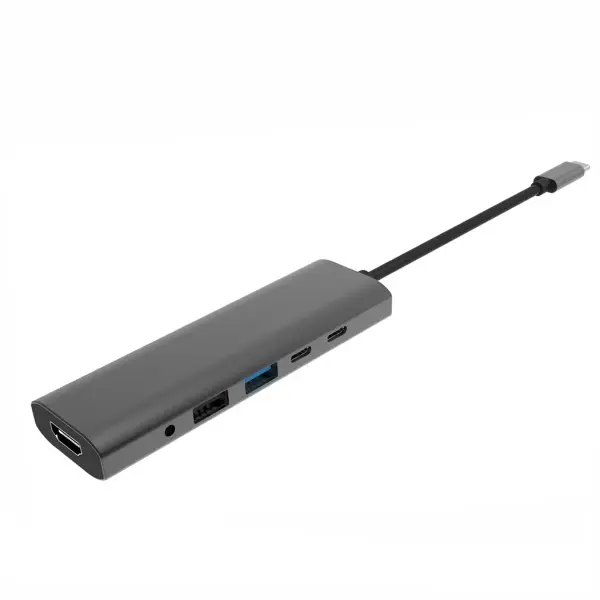 USB C Hub-H Series
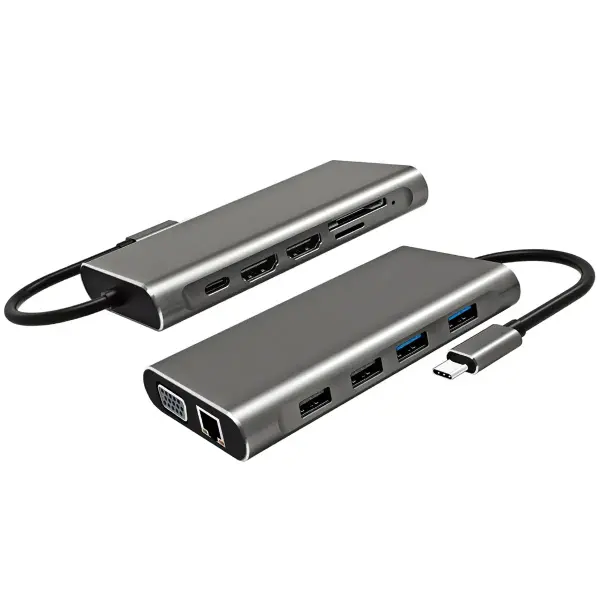 USB C Hub-H Series High End
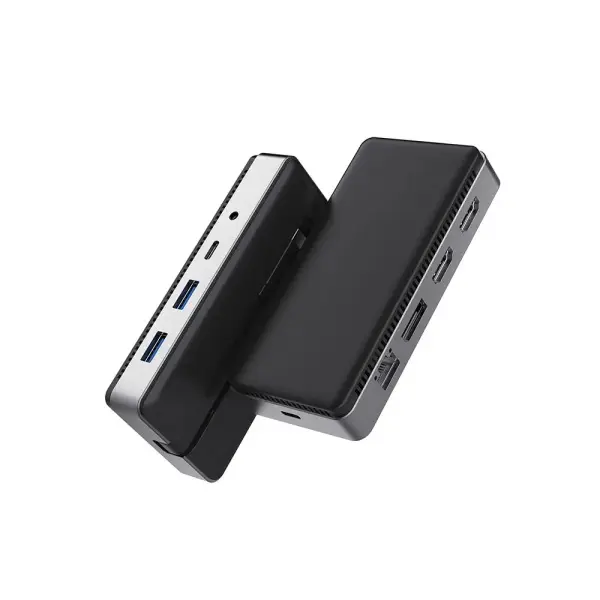 USB C Hub-X Series High End
 HDMI Cable
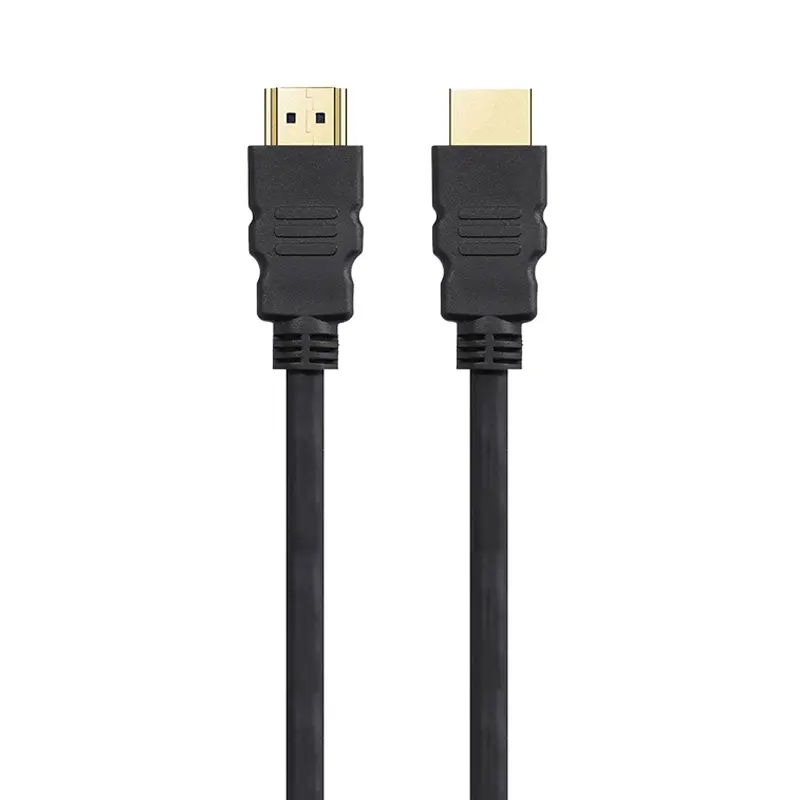 4K HDMI Cable
 8K HDMI Cable
 16K HDMI Cable
 AOC HDMI Cable
 HDMI Conversion Cable
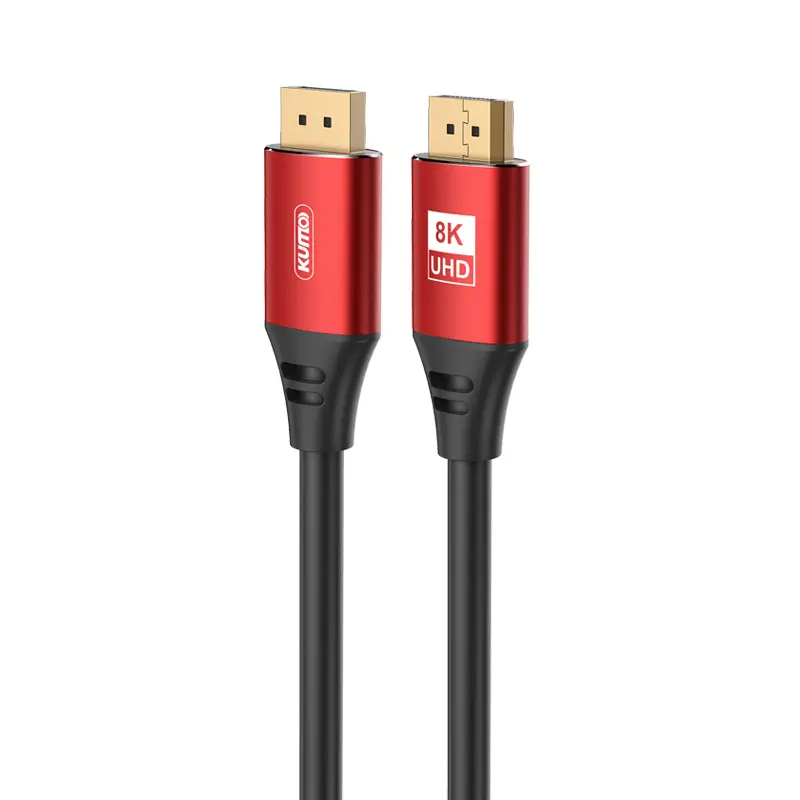 8K DisplayPort Cable
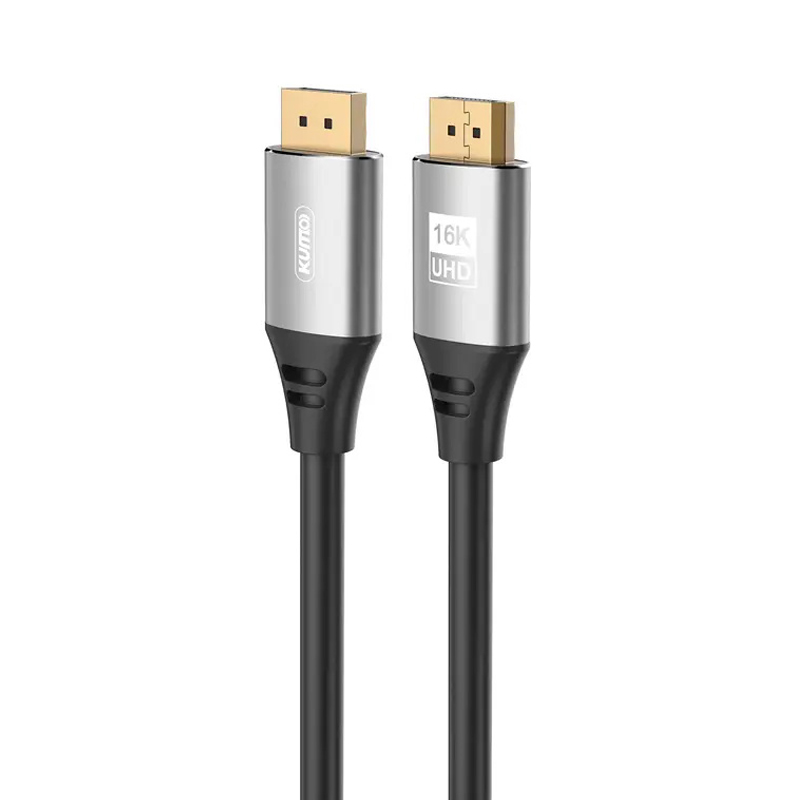 16K DisplayPort Cable
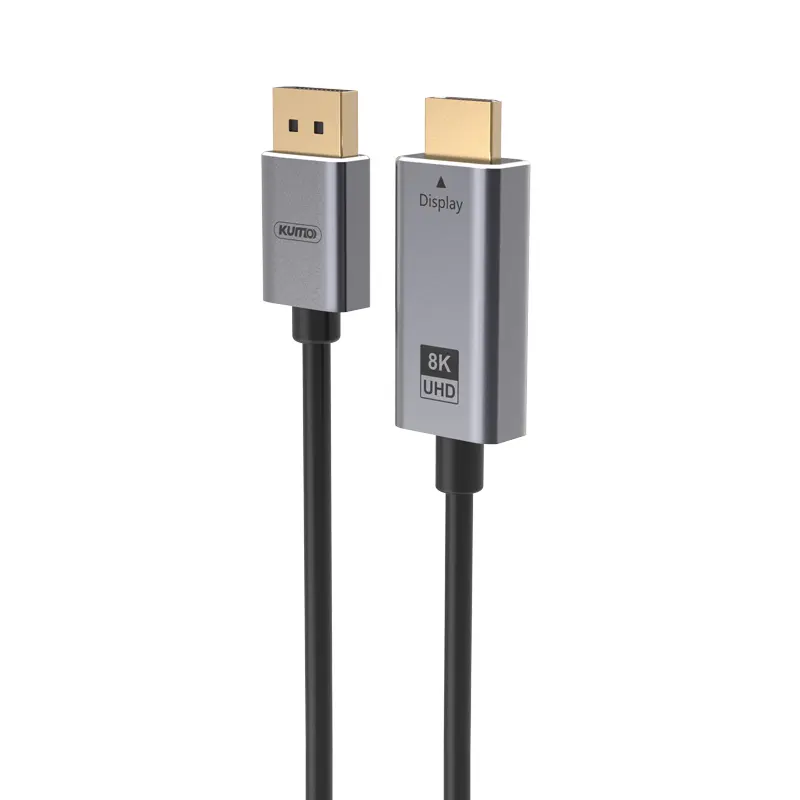 DisplayPort Conversion Cable
 XLR Cable
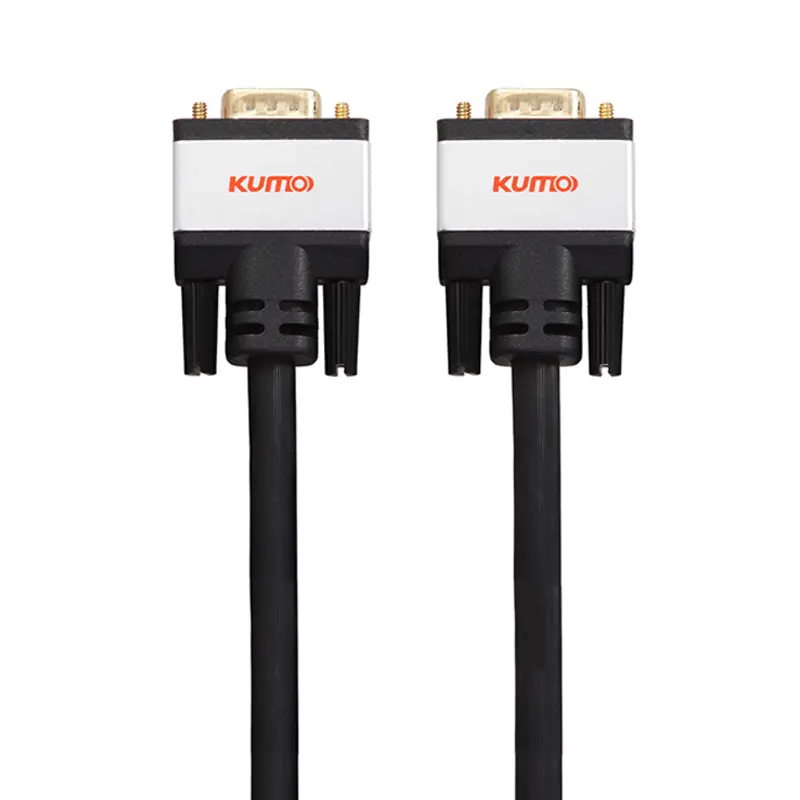 VGA Cable
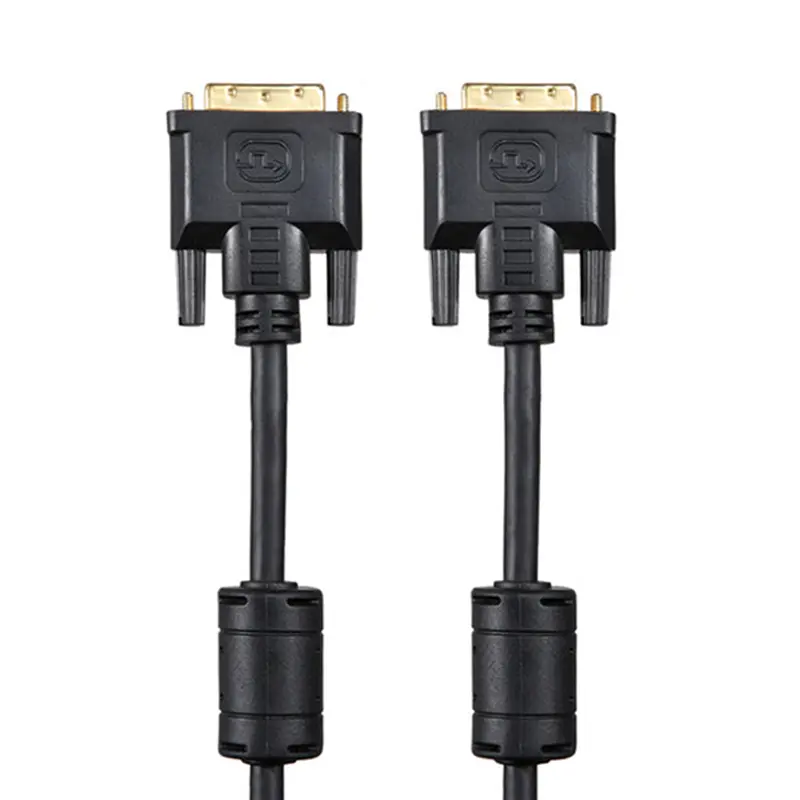 DVI Cable
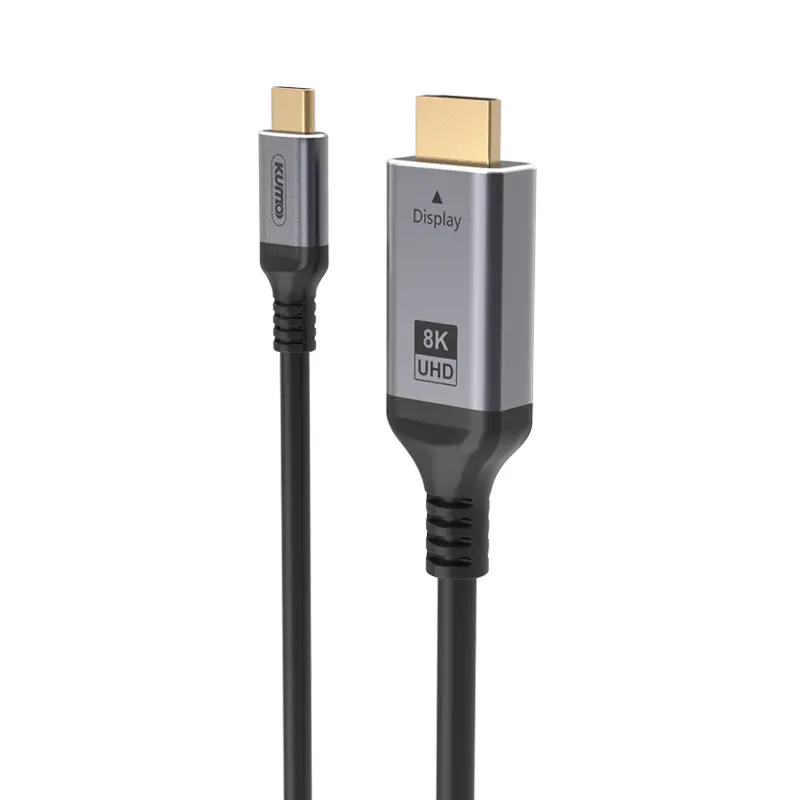 Type C To HDMI
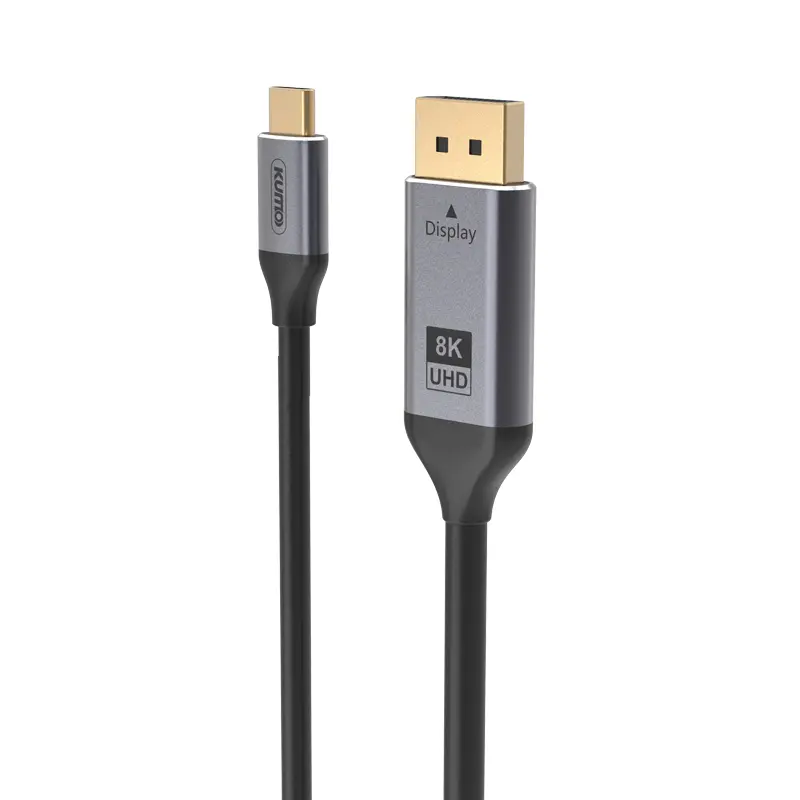 Type C to DP
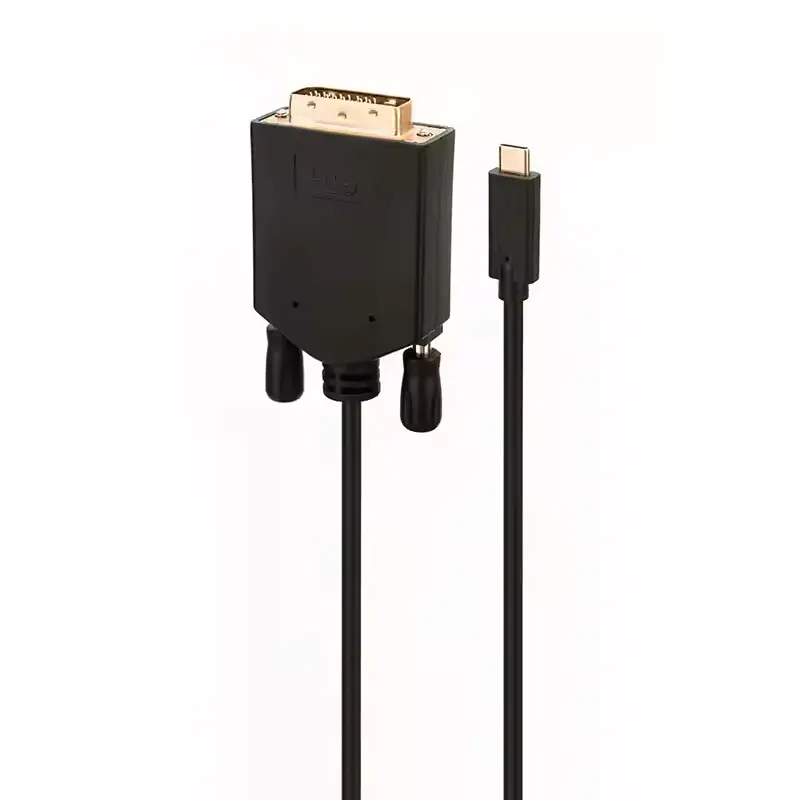 Type C to DVI
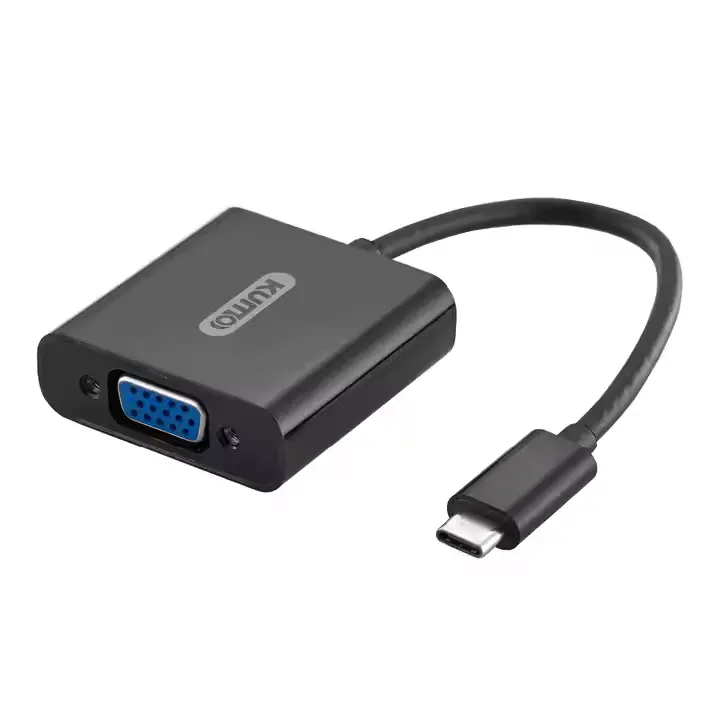 Type C Adapter
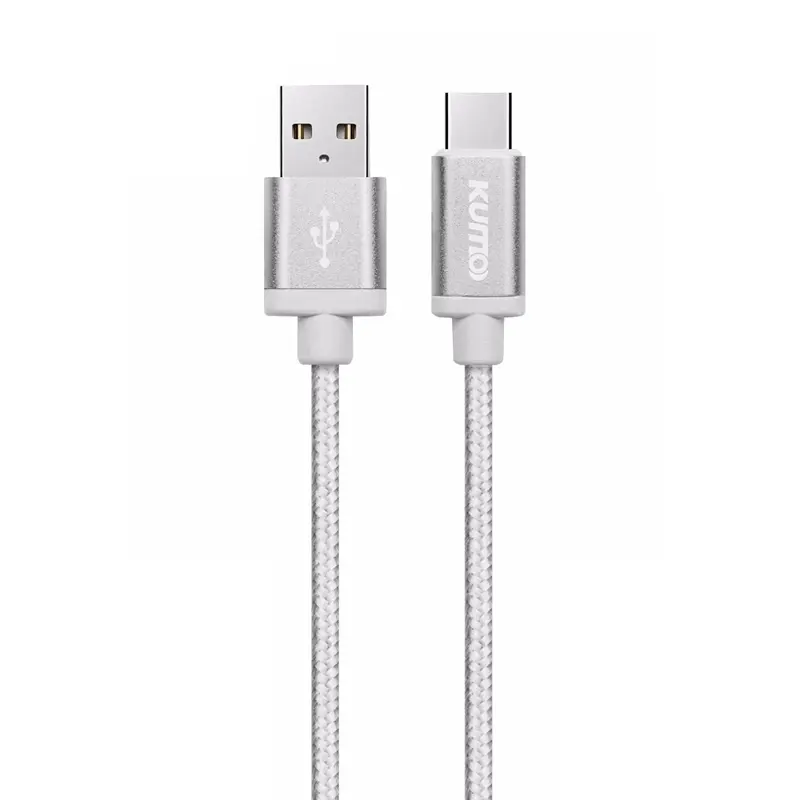 USB A to C Cable
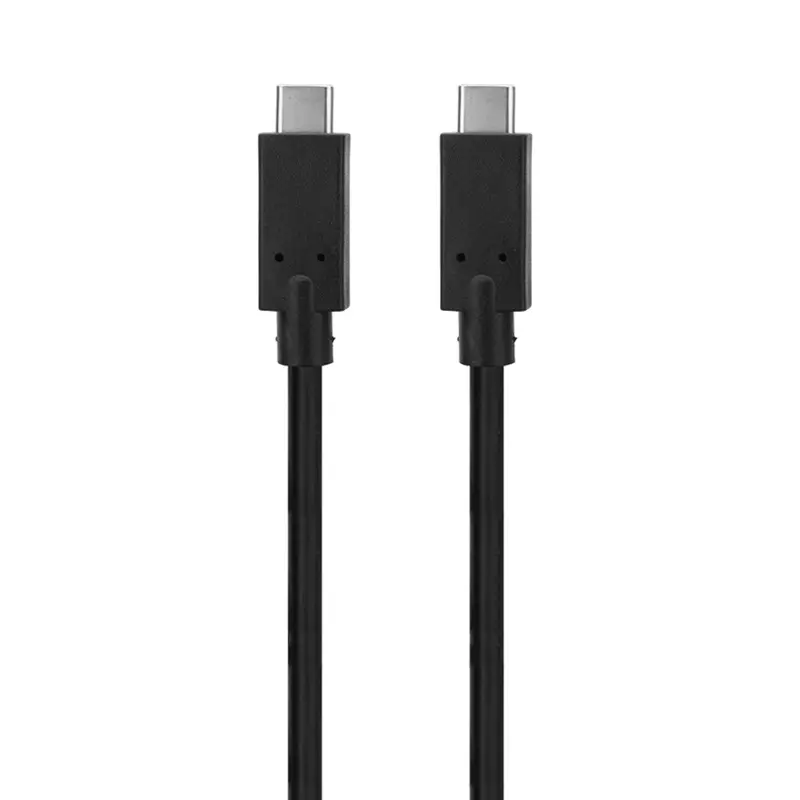 USB C to C Cable
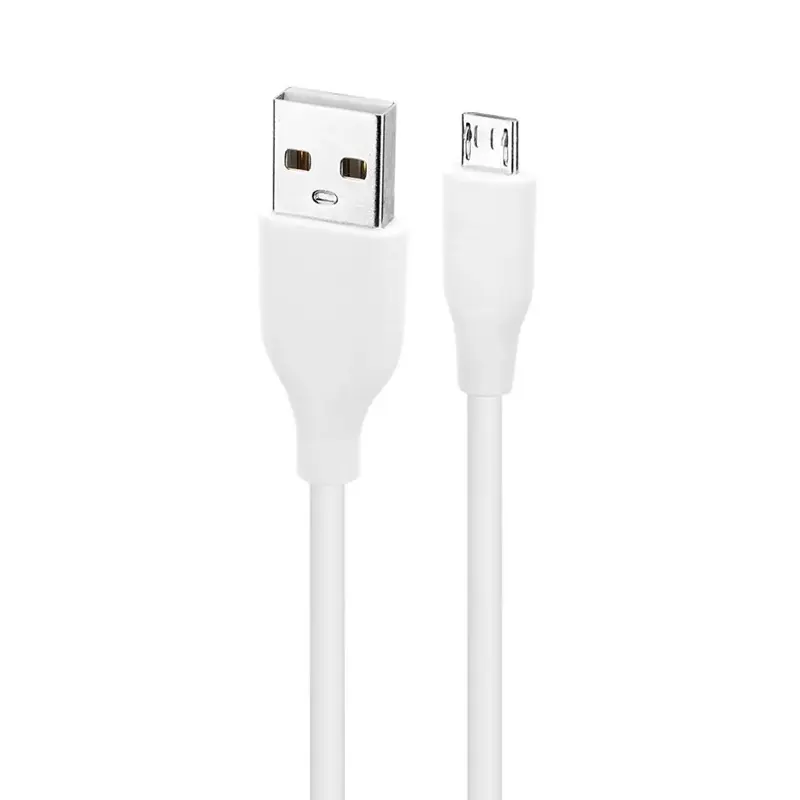 Micro USB Cable
 USB4 Cable